
Volunteers uncover 2,000-year-old Lake District settlement
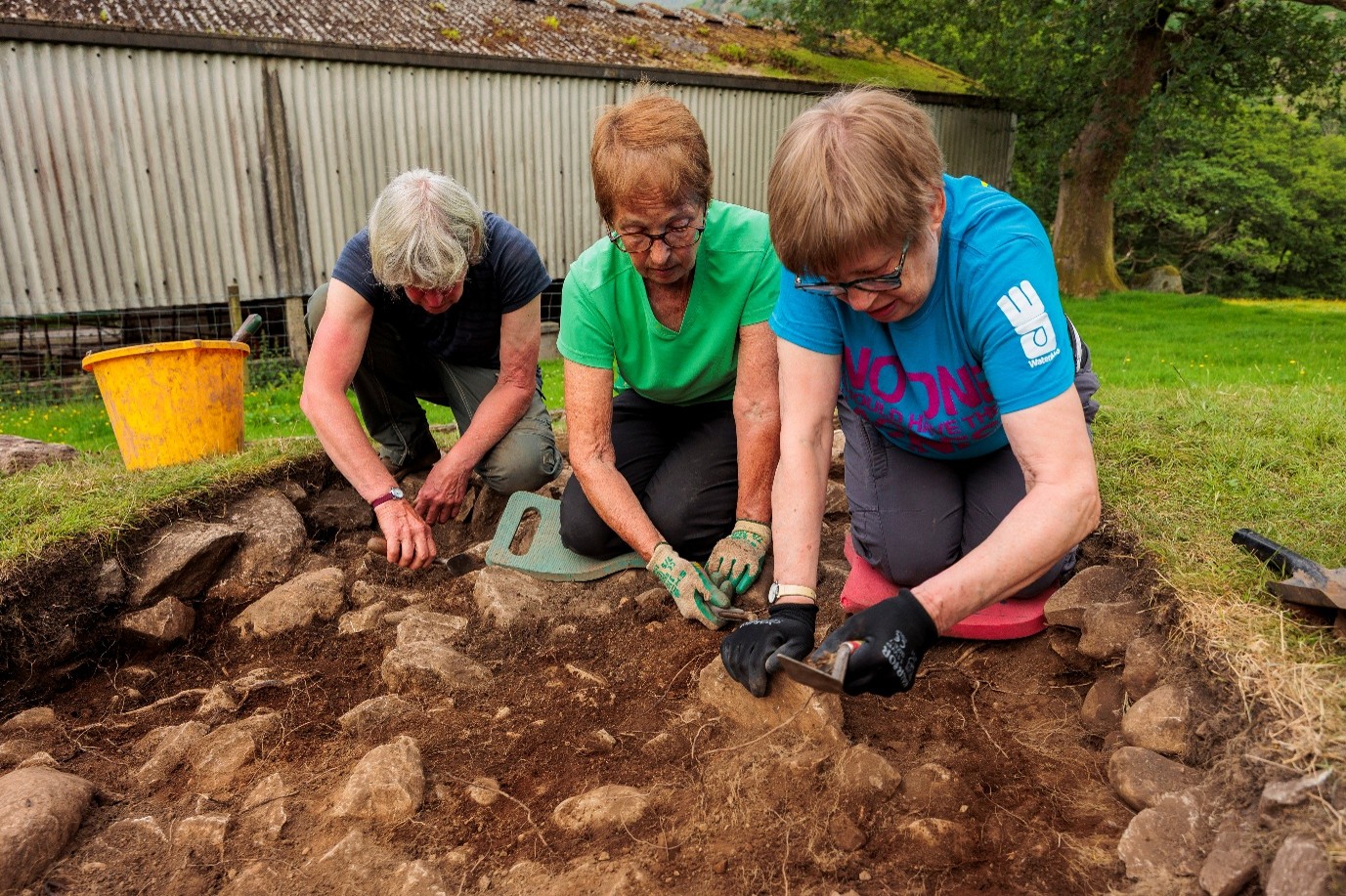
A group of 25 dedicated volunteers have revealed the inspiring archaeological mystery behind the picturesque valley of Deepdale in the Lake District National Park.
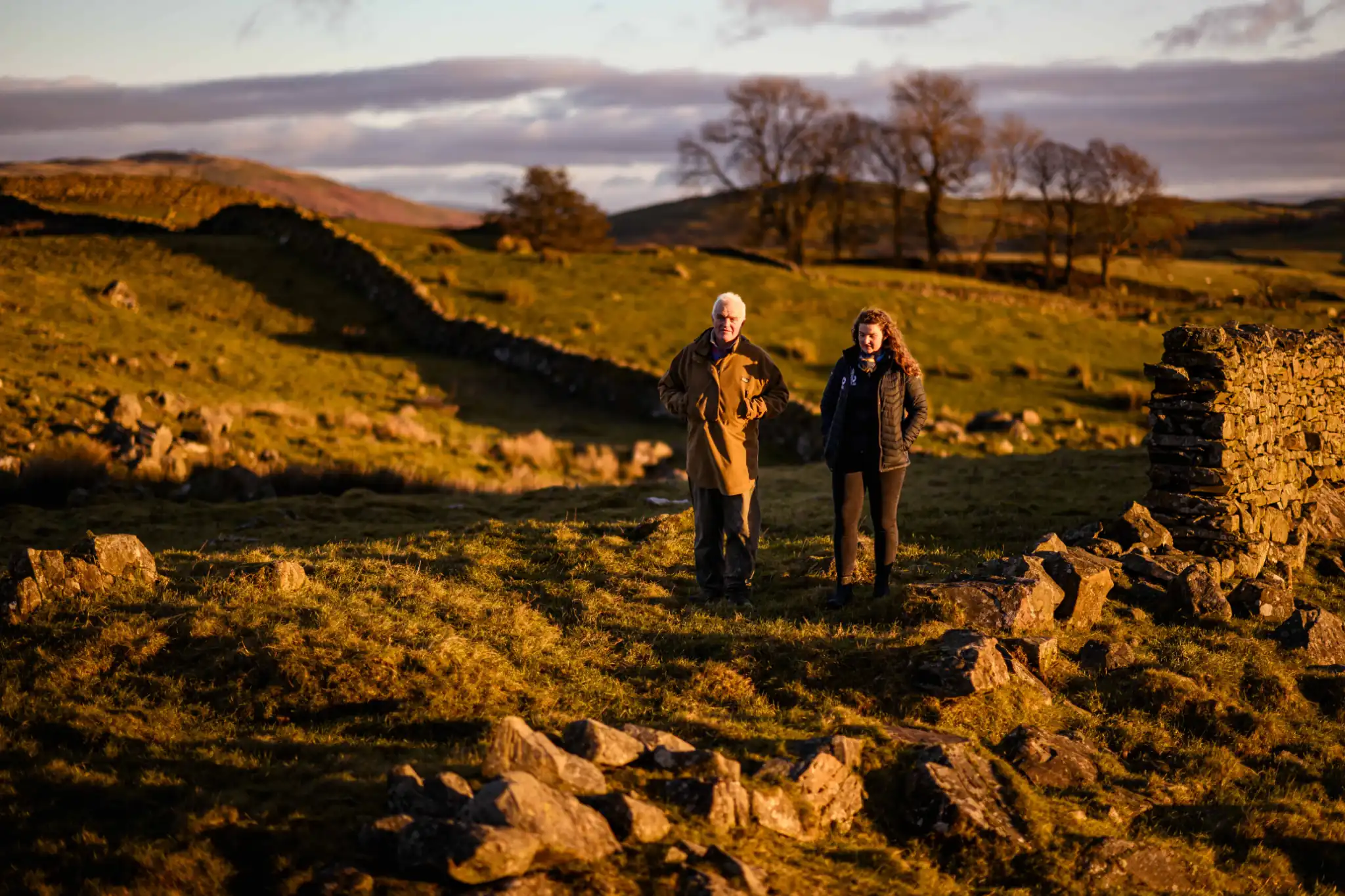
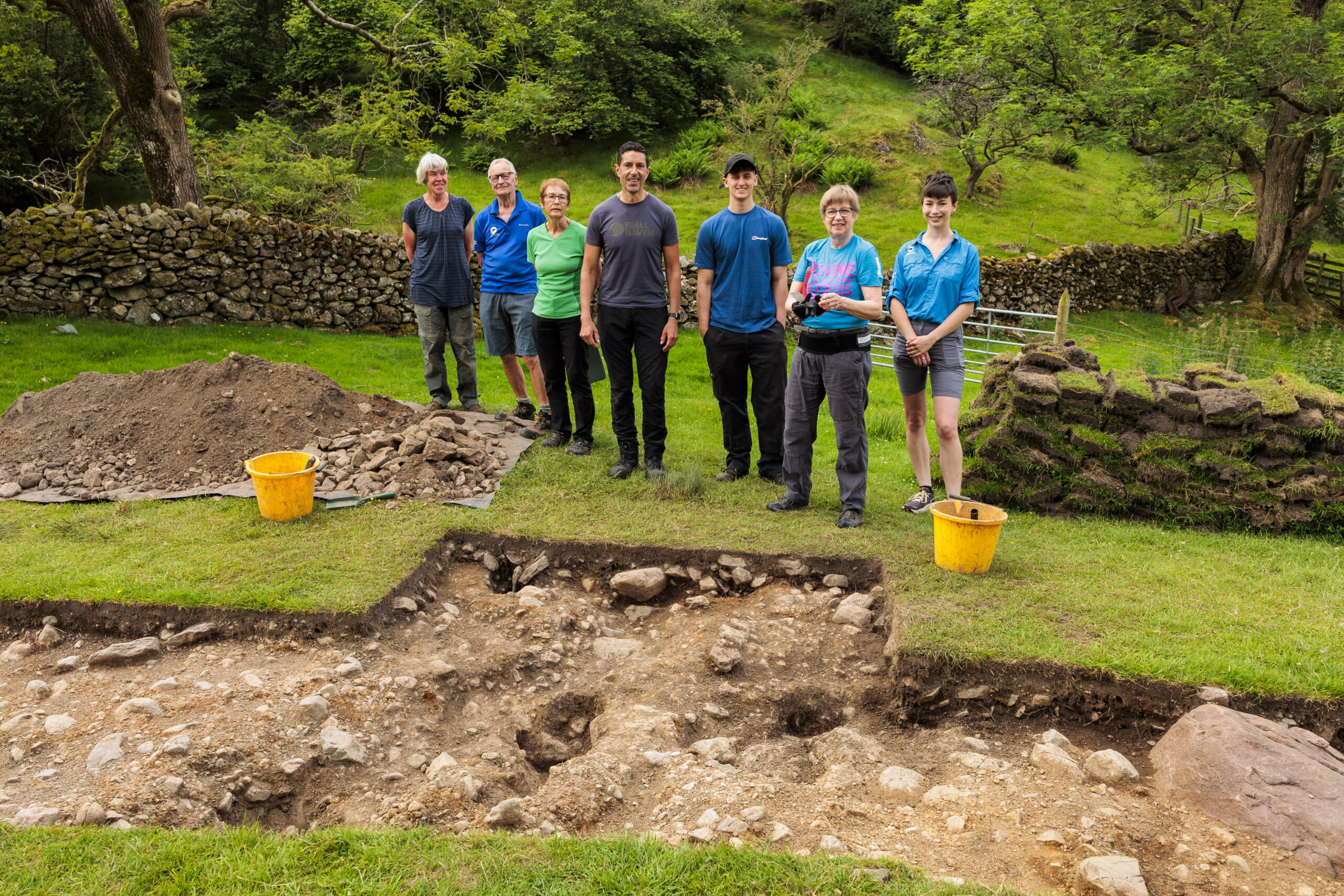
Lake District National Park Authority volunteers uncovered a rare Iron Age settlement as part of a survey of 150 sites in the valley that started in 2024, with support from landowners Jimmy and Chris Brown, the Lake District National Park Authority, and Eden Heritage.
The settlement, known as Deepdale Bridge Settlement, comprises of several hut circles (the remains of roundhouses) and small enclosures, surrounded by a rubble bank. Here, ancient communities would have lived and cooked together and kept livestock.
Very few of these native enclosed settlements have been archaeologically investigated in the Lake District, with fewer still having confirmed dates for occupation. The excavation of Deepdale Bridge Settlement provides significant new insights into the ancient historical landscape of the Lake District National Park and World Heritage Site that will help inform future research.
Revealing the settlement came down to the hard work of the many volunteers involved, as Marnie Calvert, Graduate Historic Environment Assistant, said: “The dedication, enthusiasm and hard work of our volunteers have been at the heart of this excavation uncovering important new evidence of life in the later prehistoric Lake District. We are incredibly grateful to everyone who gave their time and skills, and we are excited for future opportunities to learn even more.”
Charcoal present in the soil was radiocarbon dated and revealed that the roundhouse was occupied between 76 and 216 AD and the enclosure bank was constructed between 40 BC and 118 AD, meaning the settlement was continually occupied from the late Iron Age through to the Roman period. One trench that was dug revealed the remains of a timber doorway leading into the roundhouse, as well as internal dividers and a cobbled yard outside, probably used to hold animals.
Martin Railton, archaeological consultant for Eden Heritage who led the volunteers, said: “We know surprisingly little about the people who lived here and farmed the landscape in prehistory. The investigation provided an opportunity to work with an inspiring group of volunteers, in a stunning landscape, exploring a period of prehistory that has been a long-term fascination. There is still much more to discover about life in the Lake District in the Iron Age, but the investigation will help to shed light on several other settlements which probably date to the same period.”
Siriol Hinchcliffe, one of the volunteers, said: “Our team of volunteers have spent two years surveying in the valley and being able to excavate to further our knowledge is great. Working with Martin in such a beautiful location with welcoming landowners and a great team of diggers was a very enjoyable experience.”
The roundhouse was shown to have been altered throughout its life, demonstrating the continual use and reuse of this settlement over the centuries. Further evidence of spelt wheat and barley reveal that an active farming community would have lived in the Deepdale landscape into the Roman period.
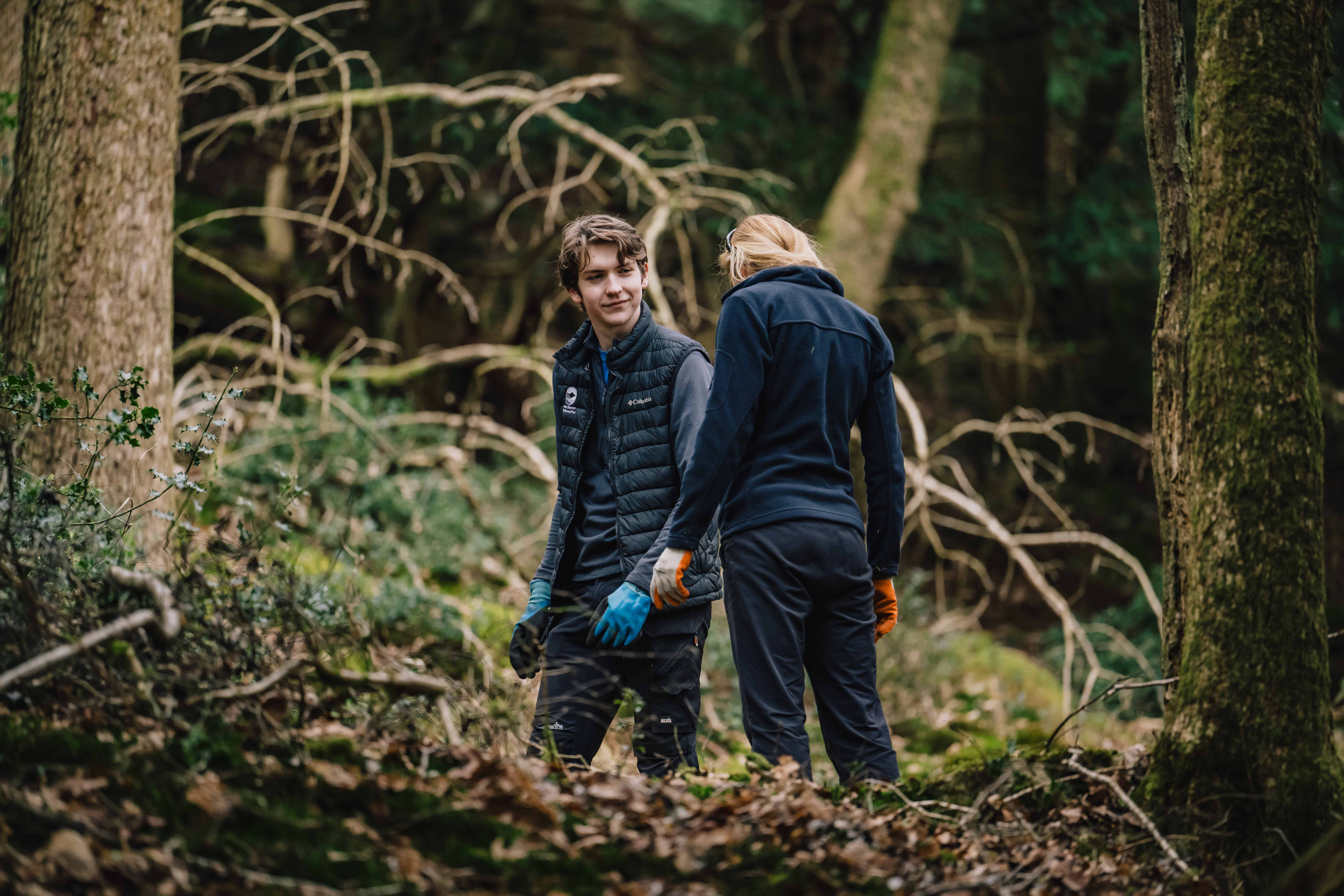
With the potential to discover much more about the fascinating ancient history of the Lake District National Park, volunteers are endeavouring to uncover more evidence in their 2026 excavation at Lanthwaite Green near Crummock Water.
If you want to find out more about the dig, Martin Railton will be speaking about the results at the Archaeology Conference run by the Lake District National Park Authority on 14 November 2026.