
Remains
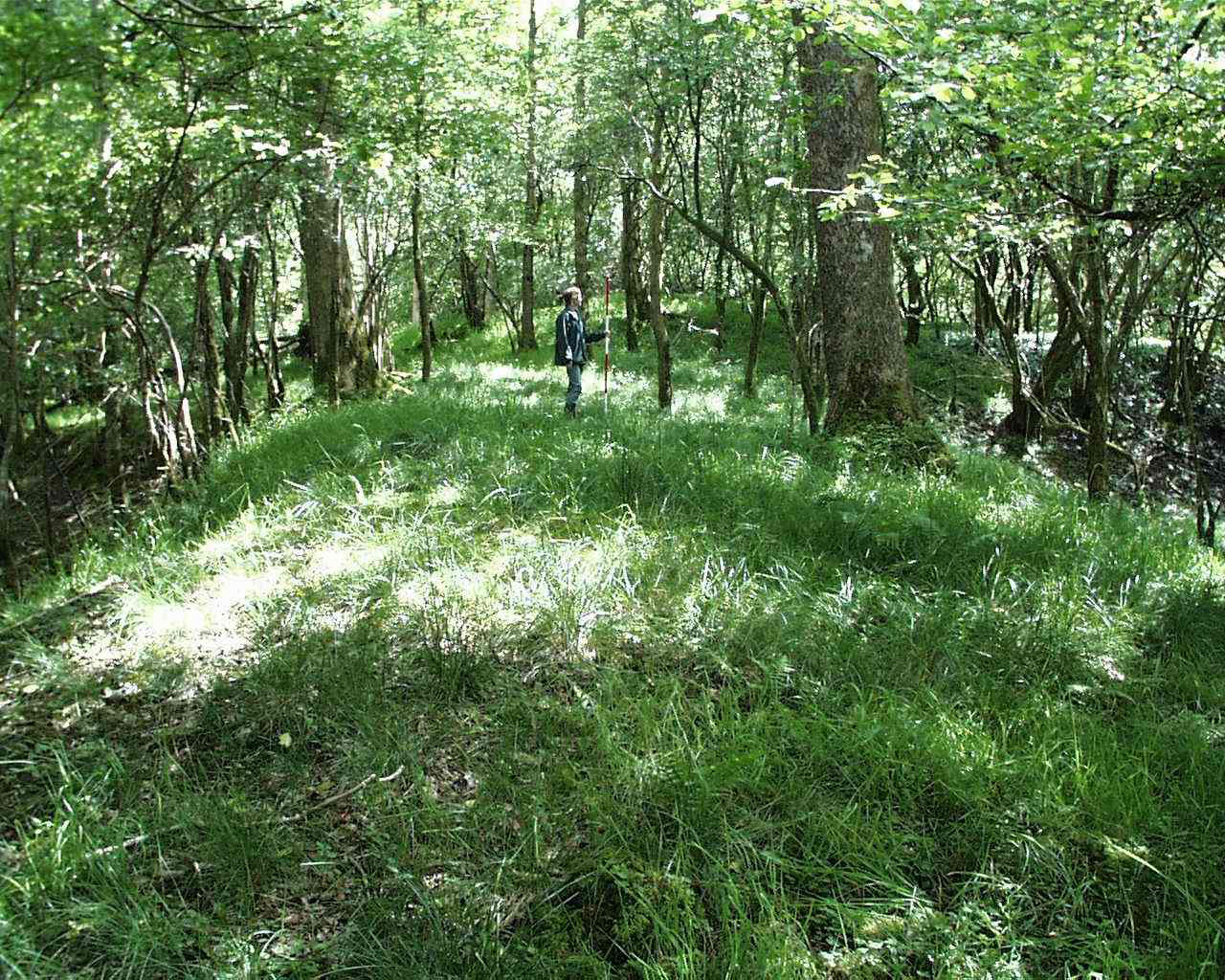
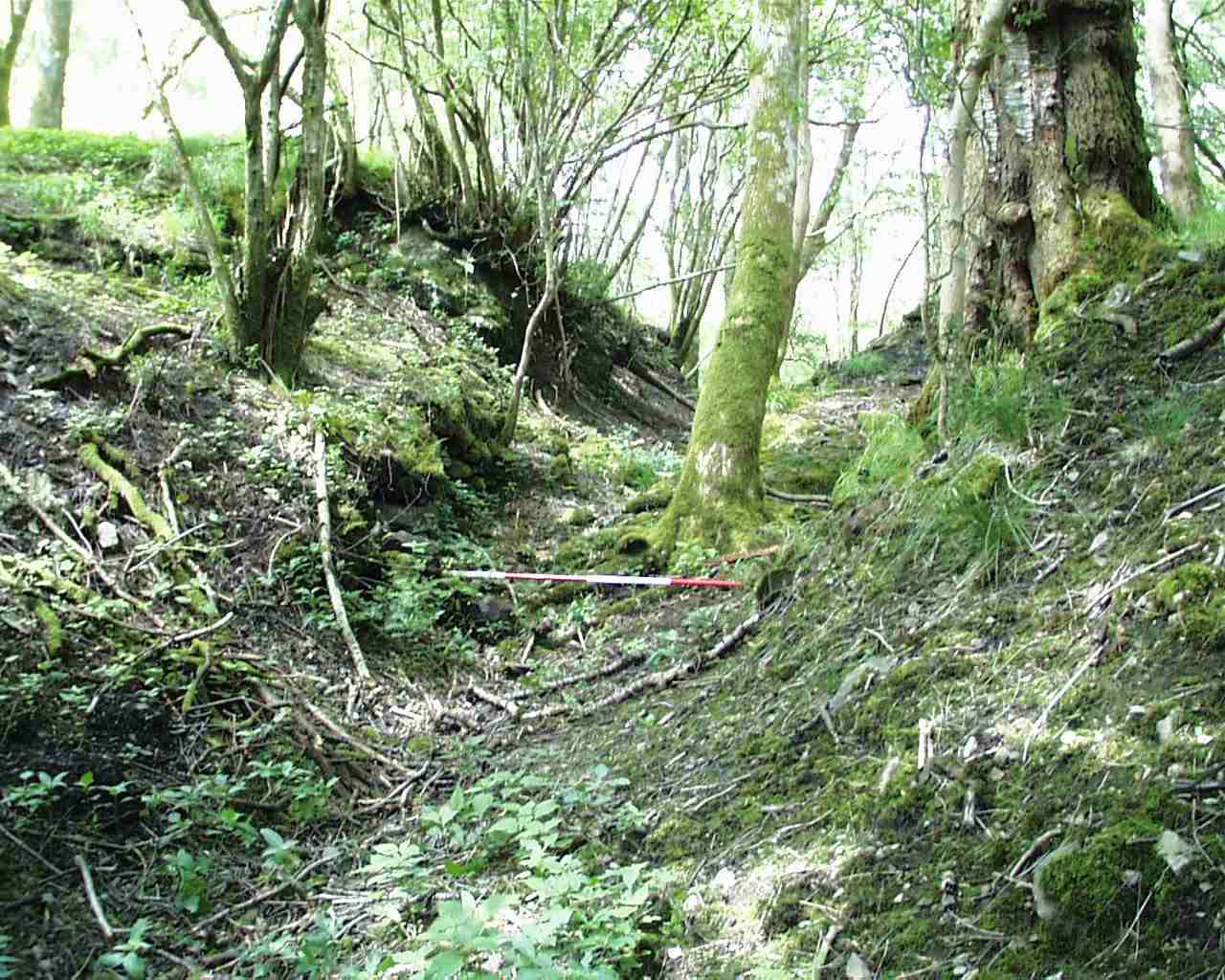
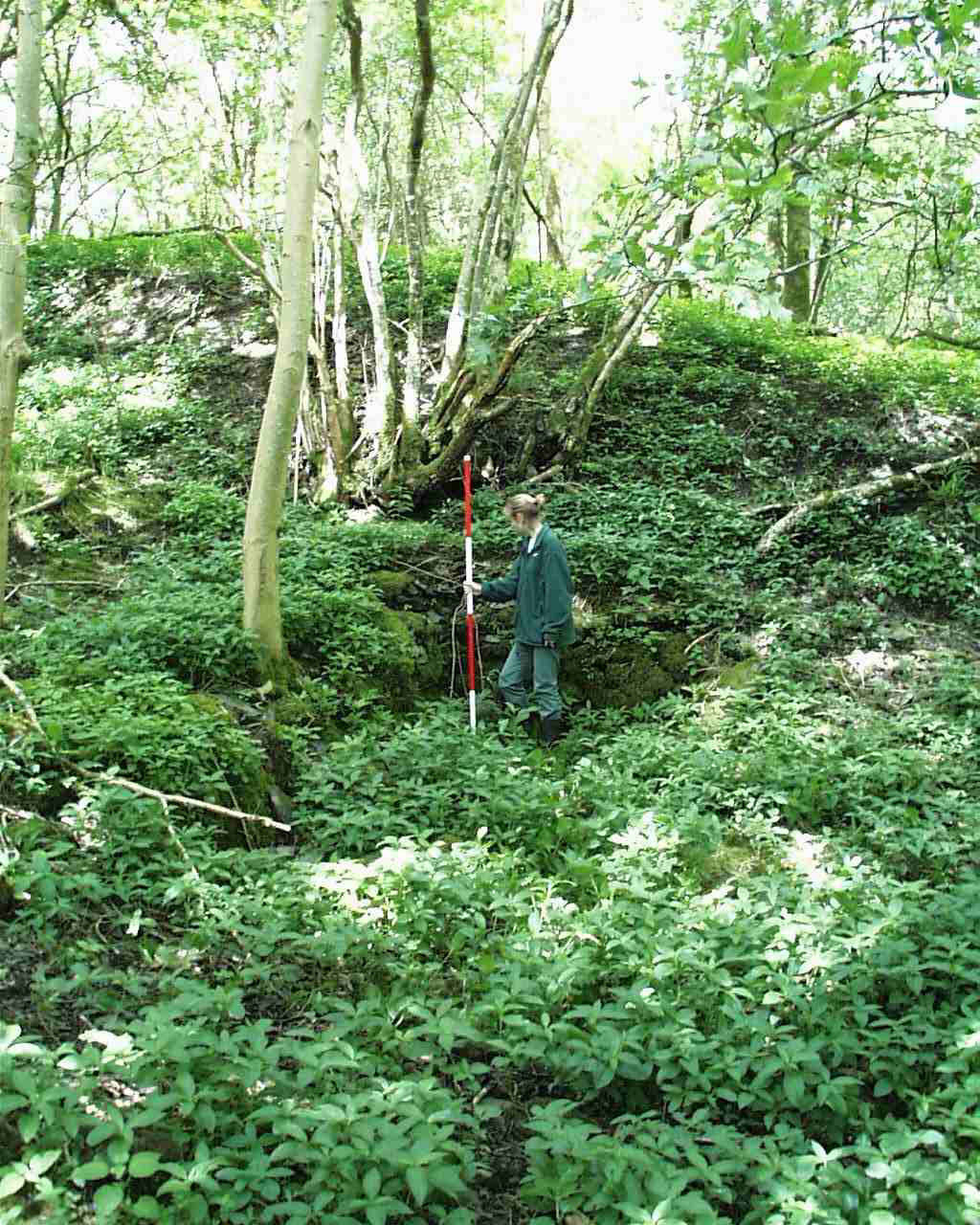
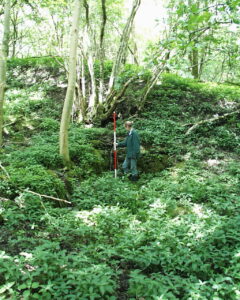
The forge stands on the Cunsey Beck by a silted-up pond created by building a 2 metre high dam across the valley bottom. The stream has broken through the northern end, but close to its southern end is the headrace to the forge. The forge itself has been lost, but its wheelpit can be identified close to the track up the valley. (See Fig 1)
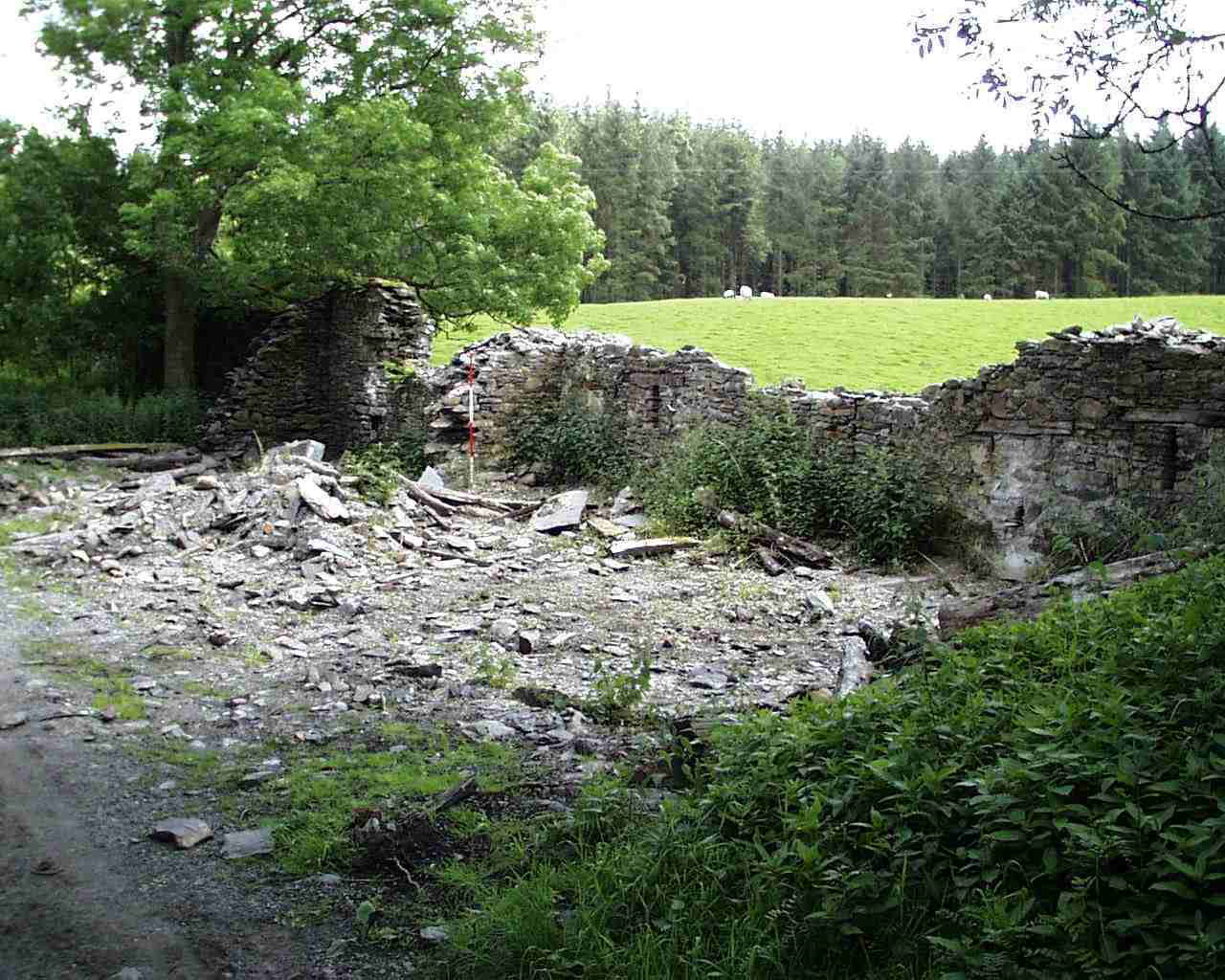
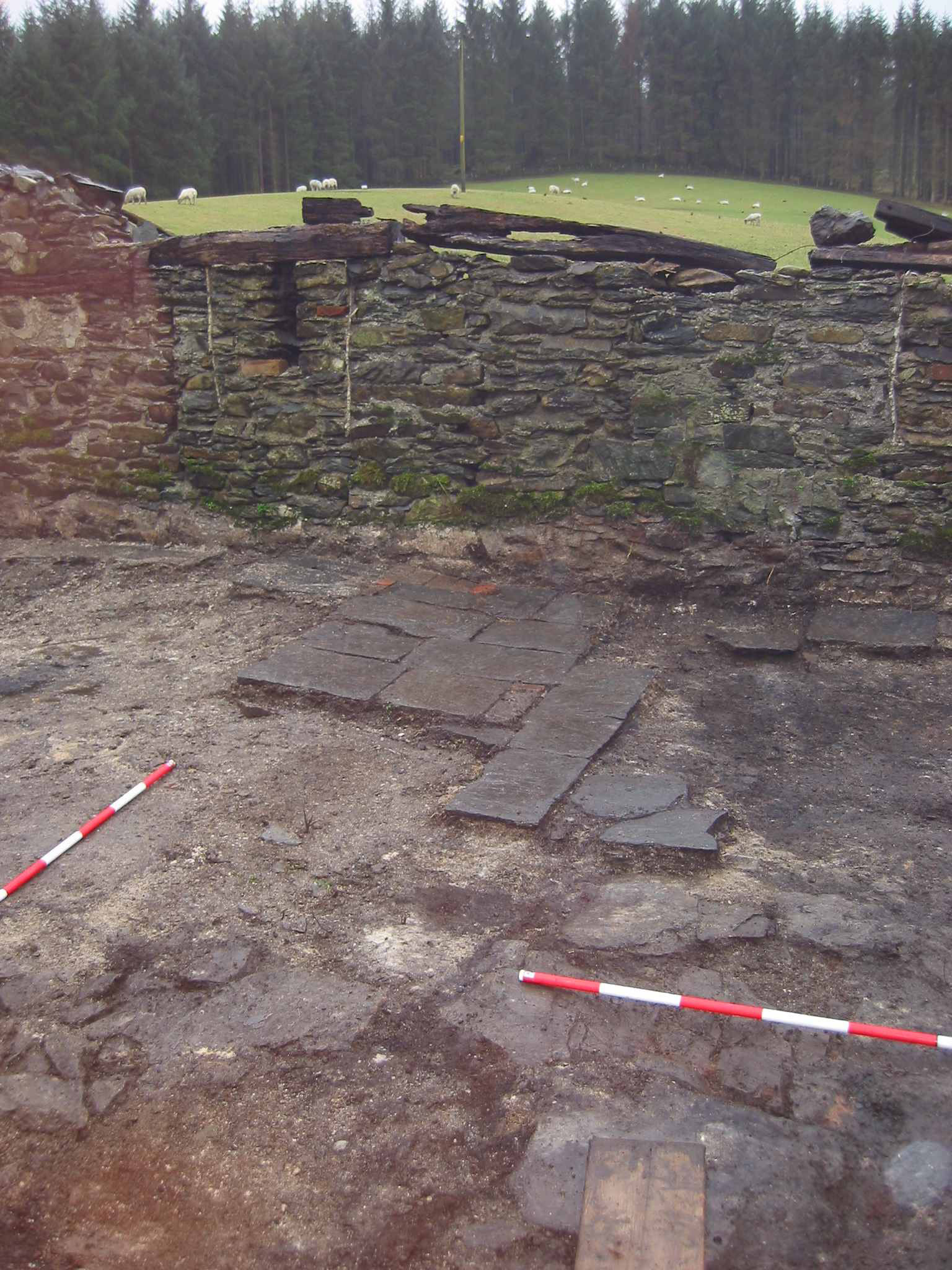
Large slag and waste heaps fill the valley bottom below the dam, while beside the track is a series of ruined stone buildings associated with the forge. The principle remains are of a two-storey terrace of three single-fronted cottages, two rooms deep, radically altered on conversion to a barn, 17m long and 7.5m wide. This is now represented only by the rear wall and one end wall (Bowden1990, 68).
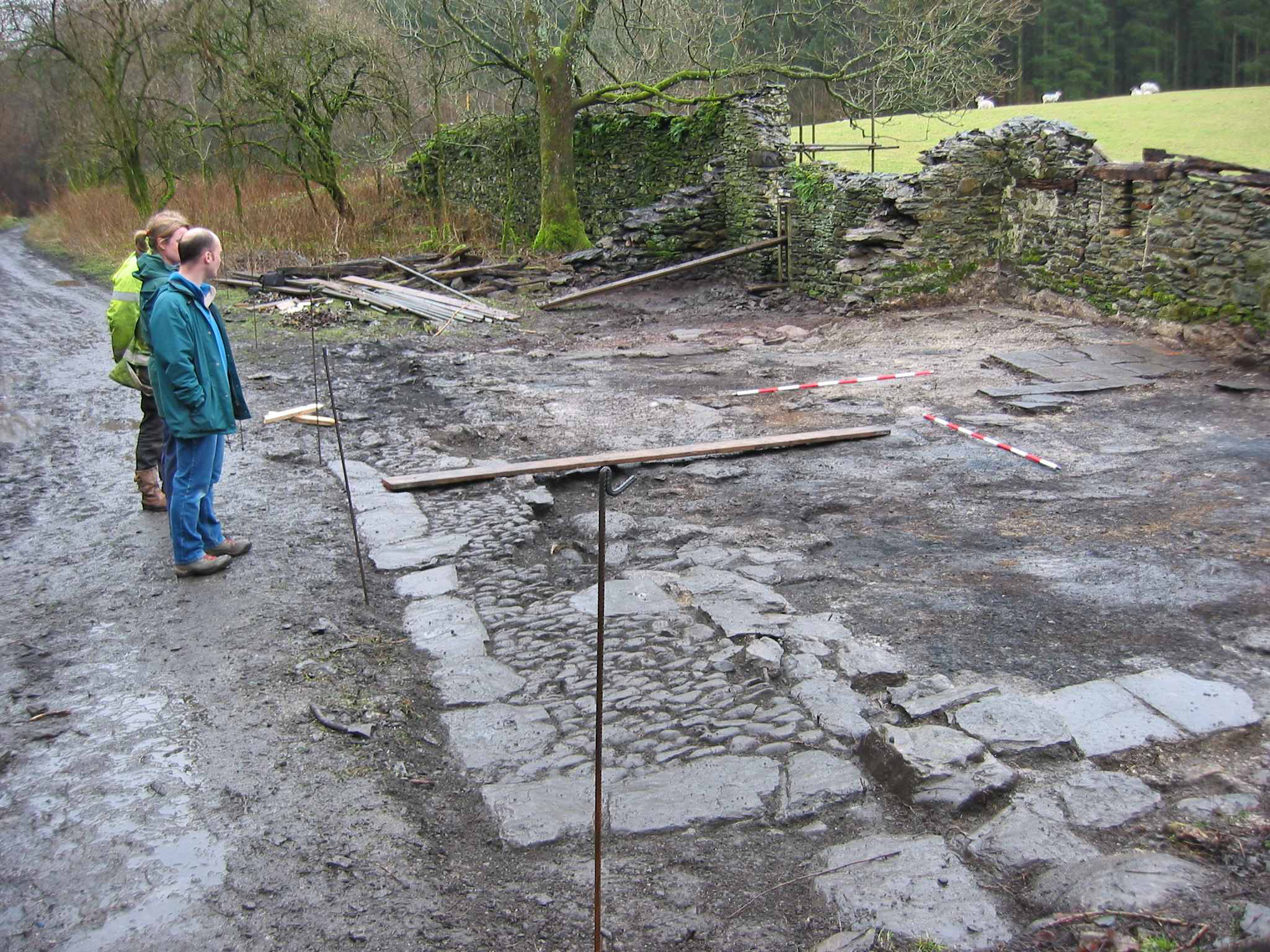
Rescue excavation
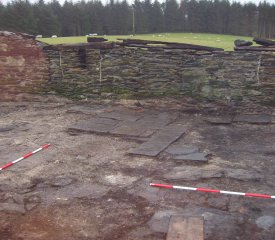
In June 2002 the local Ranger informed the our Senior Archaeologist that the standing building remains at the Cunsey Beck Forge, on the west side of Windermere, had been partly demolished. A visit indicated that significant and fragile archaeological deposits had been exposed and that the site was of greater importance than had been recognised. A further visit with English Heritage’s Monument Protection Programme adviser on the iron industry confirmed the Senior Archaeologist’s view. The site is now being recommended for scheduling, as in statutory protection.
English Heritage’s regional Inspector of Ancient Monuments agreed to a offer a substantial grant for rescue investigation and recording and consolidation of the building remains. The investigation and recording element of the project is being undertaken by Oxford Archaeology North (formerly the Lancaster University Archaeological Unit) and the work started on 20 January. 2003
The demolition rubble has been removed from the site and the surface has been cleaned by hand.
Further reading
- Bowden, M (ed) 2000. Furness Iron. English Heritage
- Fell, A. 1908. The Early Iron Industry of Furness and District. Ulverston: Hume Kitchin