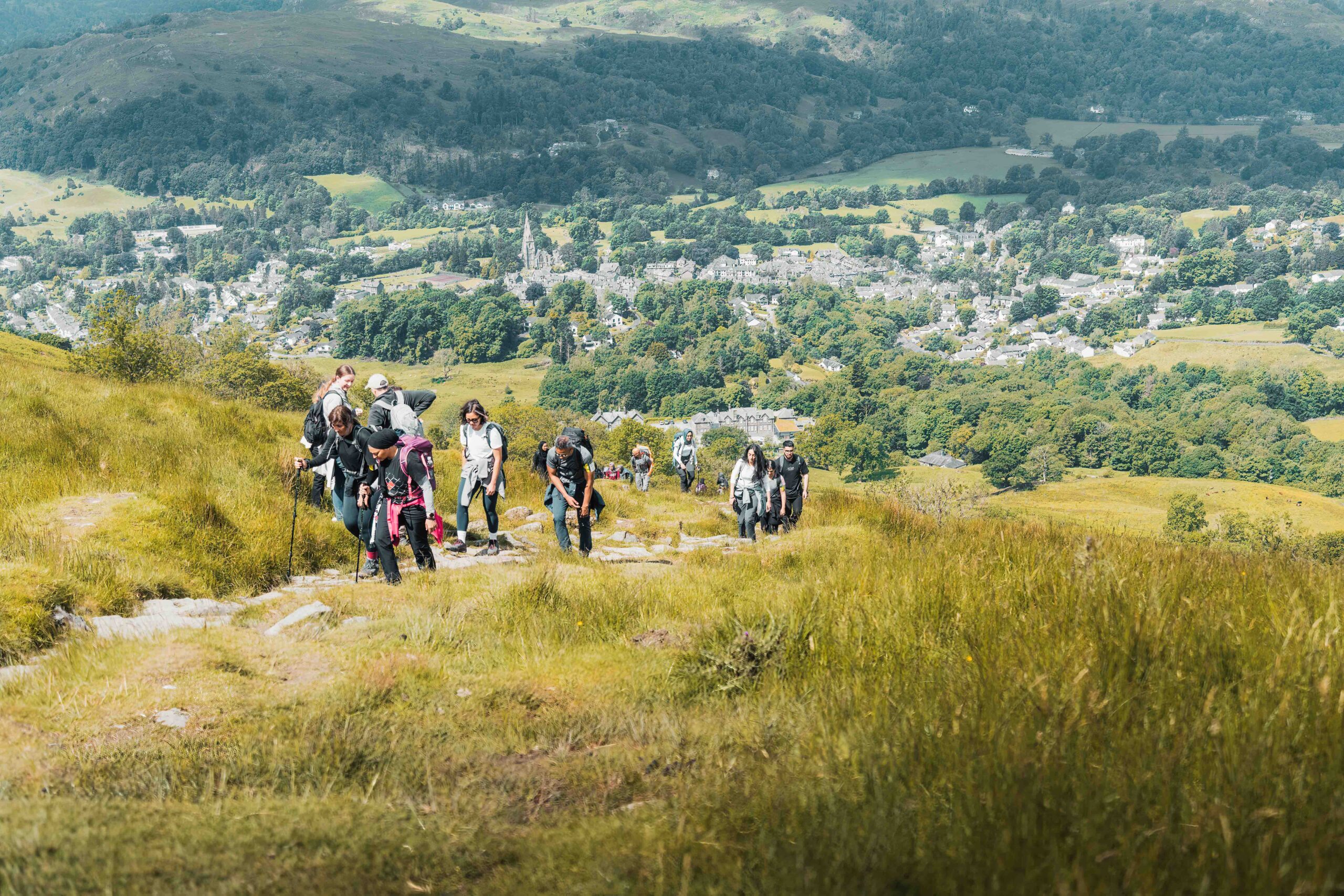

Designed landscapes captures a range of areas from private gardens and country parks to golf courses and cemeteries. The term is used to describe ornamental and recreational landscapes which are meticulously planned to be aesthetically pleasing. Many areas of the National Park are historically designed landscapes which enhanced the areas natural beauty through thoughtful planting of woodland or the alteration of bodies of water.
As defined in the Historic Landscape Characterisation of the Lake District National Park, our designed landscapes generally fall into two categories: modern recreation and historic ornamental parkland. Modern recreational areas cover 674 hectares of the National Park and comprise of urban parks and cemeteries, golf course, camp sites and caravan parks. Historic ornamental parkland covers the majority of designed landscapes with 2110 hectares of 18th and 19th century landscapes designed by wealthy landowners to enhance the natural beauty of their estates.
Historic designed landscapes are crucial to the cultural tapestry of the Lake District National Park and World Heritage Site. As well as holding aesthetic and modern recreational value, they also contribute to:
- the setting and character of historically significant buildings
- the story of the human development of land use in history
- a landscapes character and sense of place
- community pride and identity
- landscape projects for nature recovery or regeneration
Historic designed landscapes often have subtle features in the landscape which leaves them at risk of neglect or decay leading to the gradual loss of character or through insensitive development. Therefore, it is vital that we ensure historic designed landscapes are protected through:
- Historic England Register of Parks and Gardens which requires that Historic England are consulted on all planning applications to Grade I or II* parks and gardens and The Gardens Trust is consulted on all planning applications to listed parks and gardens.
- The Lake District National Park Authority has a number of policies and plans, including the Local Plan, the Design Code and the Historic Environment Strategy that ensure that any development in or around recognised historic designed landscapes are carefully considered and sensitively implemented and the character of the landscape is managed and maintained.
- Government guidance which includes statutory rules on consultation, planning and management of forestry operations and ensures their consideration of the historic environment including parks and gardens.
- The Local List which provides sites or landscapes that do not qualify for listing to be protected through addition. Sites and landscape on the Local List become a material consideration in planning processes with specific reference to their historical, archaeological or community value.
- Individual landowners who understand and acknowledge the value of the designed landscape and recognise the features on their own land which contribute to its overall character. Through this understanding and acknowledgement, historic designed landscape features can be managed through estate plans, woodland management plans or conservation management plans.
Created in 1984, Historic England’s ‘Register of Parks and Gardens of Special Historic Interest in England‘ includes over 1700 designed landscapes. The purpose of the Register is to celebrate designed landscapes and encourage appropriate protection. Although not protected by a separate consent system like Scheduled Monuments or Listed Buildings, parks and gardens on the Register must be given weight in planning decisions. The National Planning Policy Framework defines registered parks and gardens as designated heritage assets, meaning that substantial harm to, or total loss of, a registered park or garden should be ‘exceptional’ or ‘wholly exceptional’, depending on the site’s grade.
Open for the public
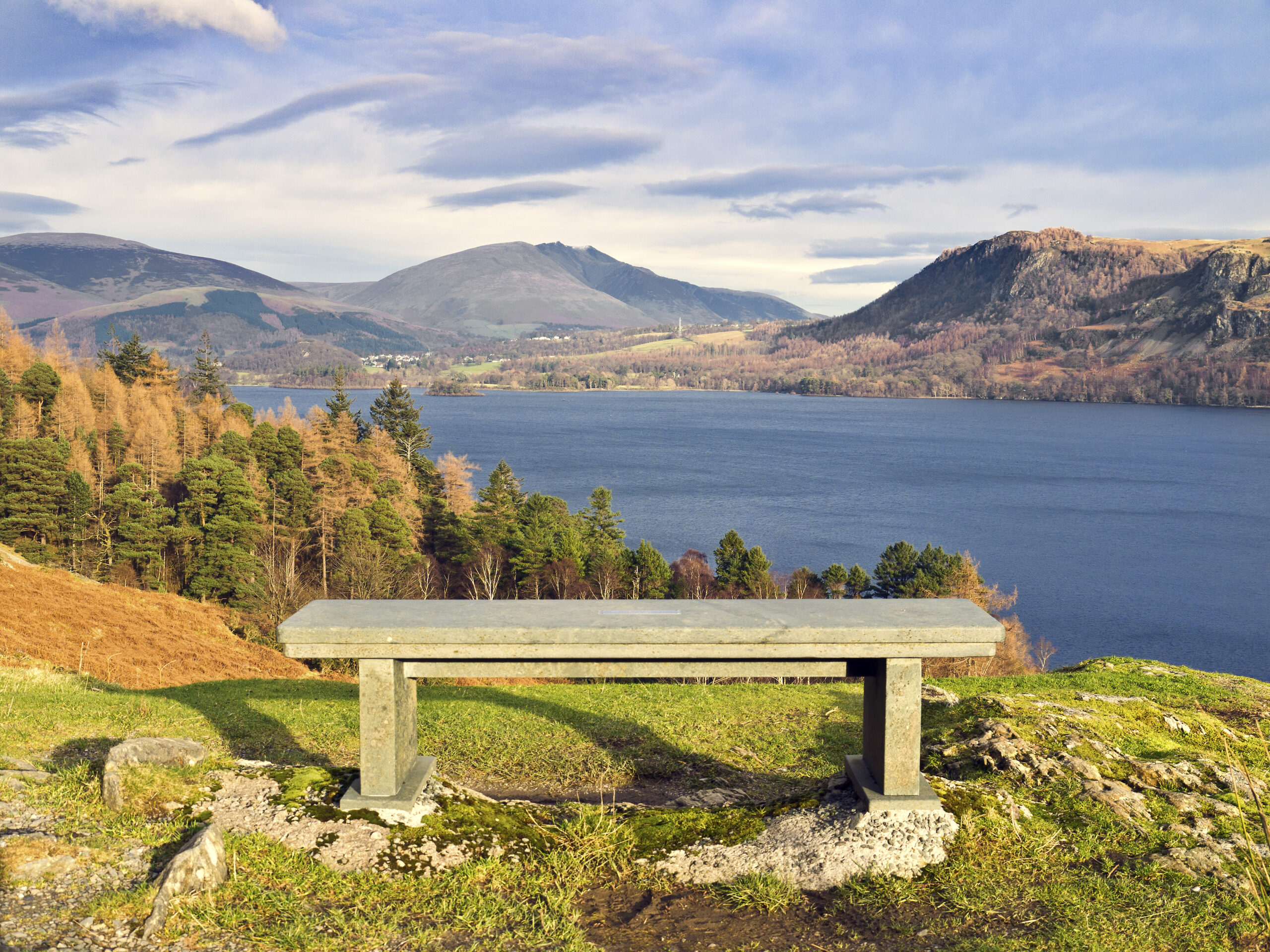
Some designed landscapes incorporate entire valleys and so traces of them can be seen through the designed viewpoints or controlled paths which provide an enhanced version of the areas natural beauty. Others are more obvious as they occupy the immediate areas around some of the National Parks most significant country houses. Find out more about the parks and gardens open to the public below.
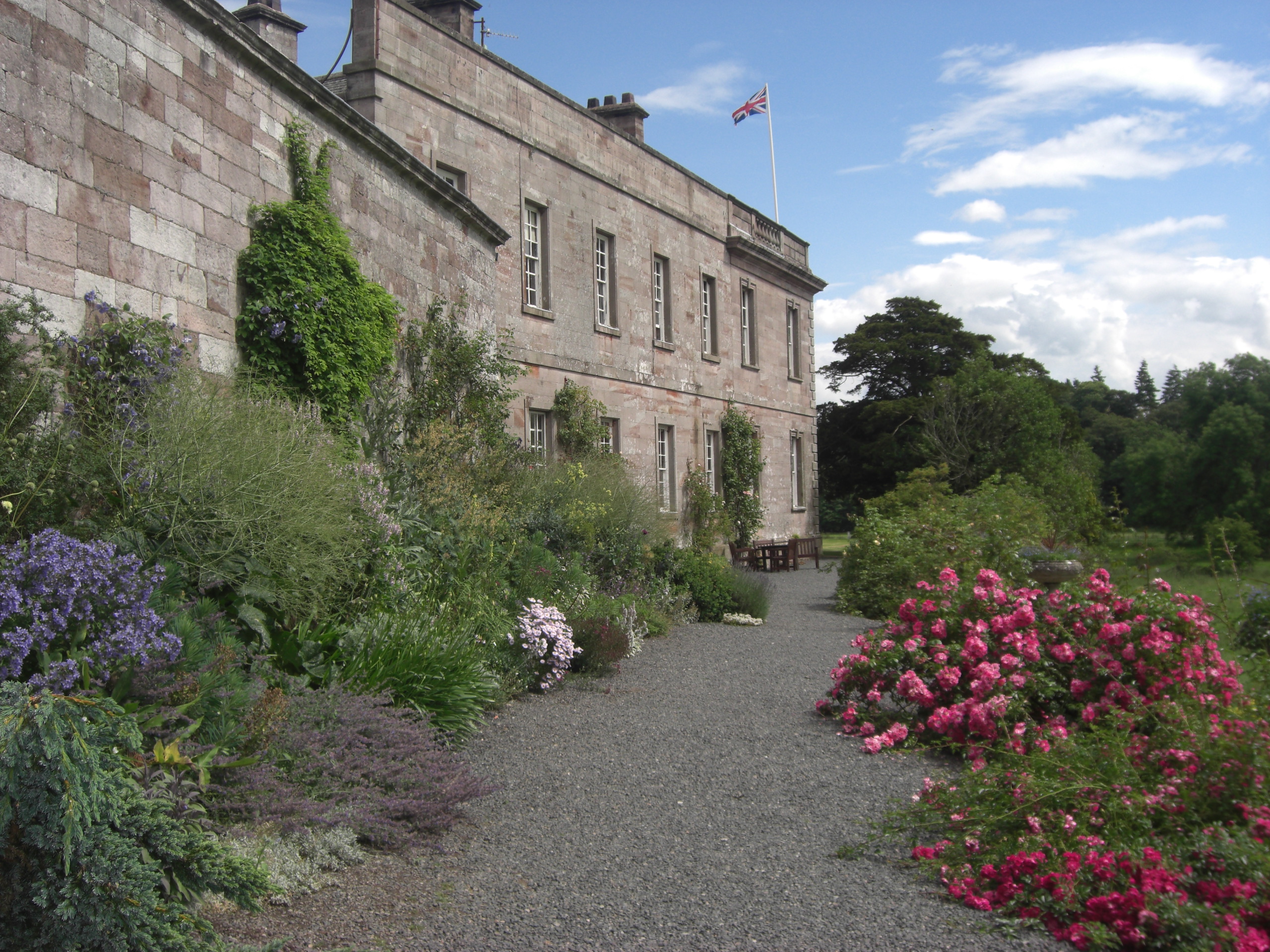
Dalemain Estate
Dating to the 12th, Dalemain Estate conserves a tapestry of English gardening styles including an Elizabethan knot garden, the herbaceous terrace and the wild garden as well as a box topiary dragon. Behind the house, the deer park maintain a her of fallow deer which has grazed on the land for hundreds of years.
Dalemain is a private estate with house and gardens open to the public throughout the year.
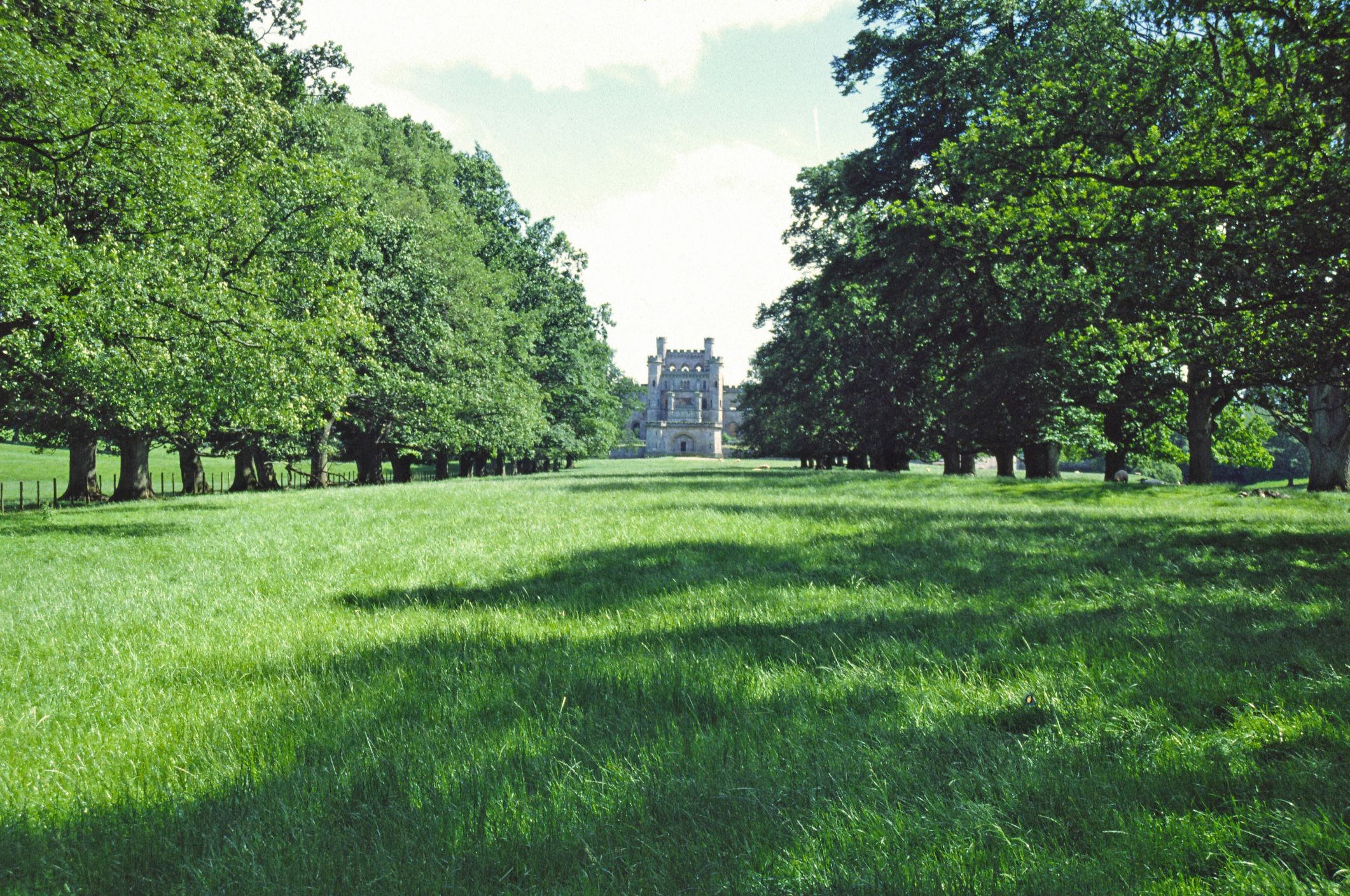
Lowther Castle
Dating to the 17th century, the first Viscount, Sir John Lowther, began creating the vast formal gardens of Lowther Castle including the Great Yew Avenue and knot gardens. In its heyday, the gardens boasted roman baths and an ‘Emperors Drive, but following their abandonment in 1936, the gardens suffered severe damage as a tank range during the Second World War as well as a post-war chicken farm. Since then, the gardens have been lovingly restored to their former glory by the Lowther family.
Lowther Castle is a private estate that is open to the public all year round.
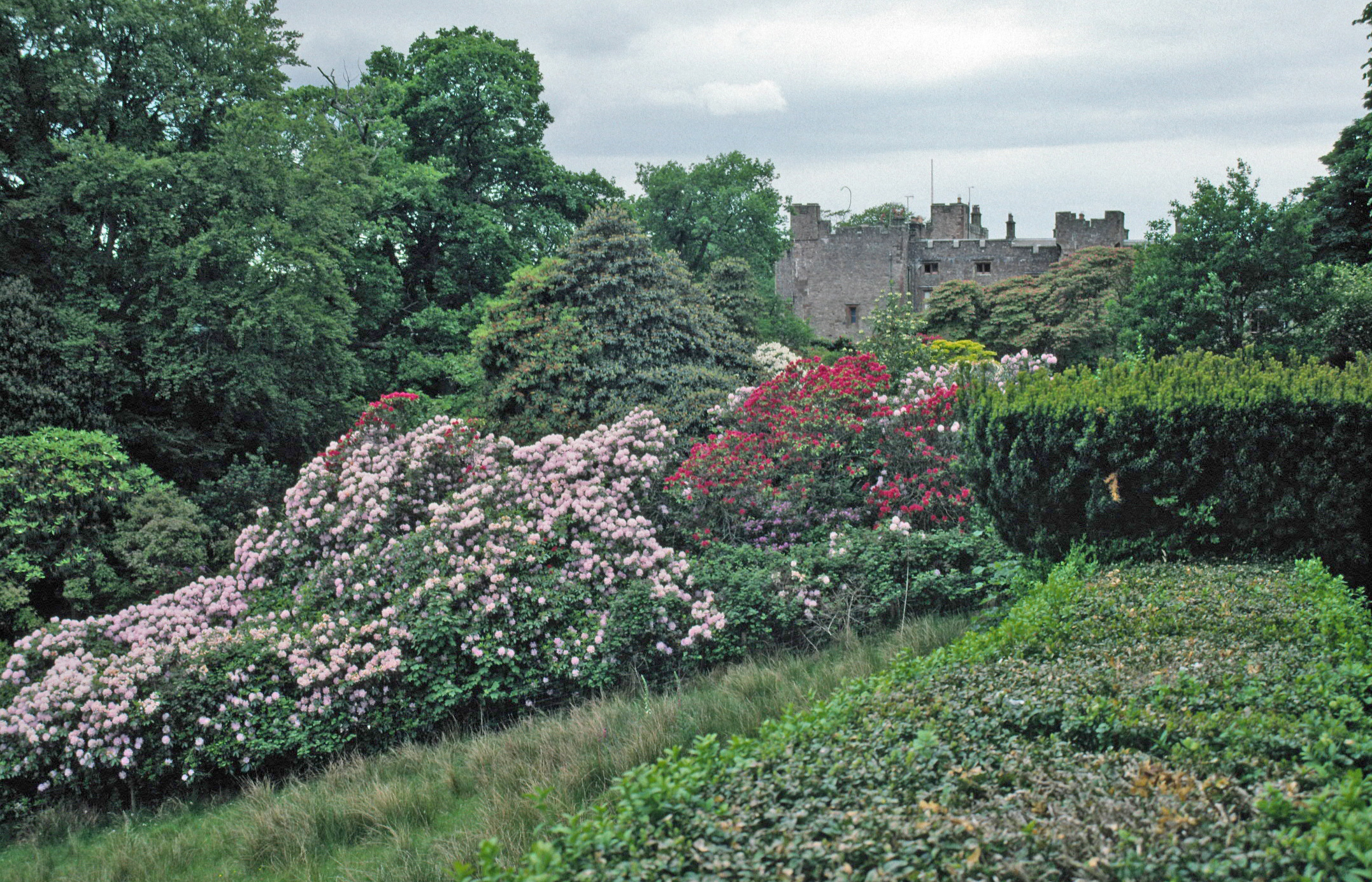
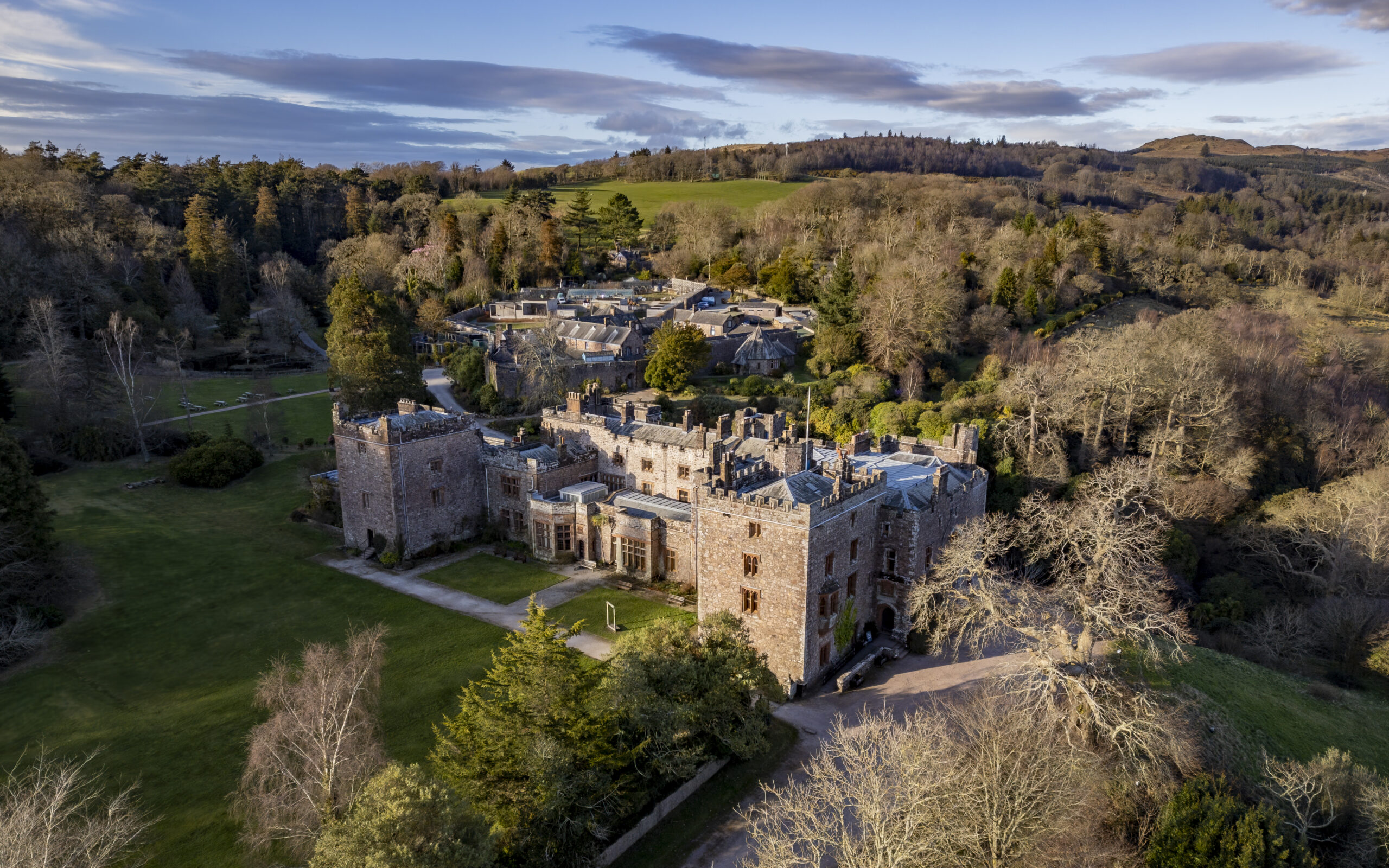
Muncaster Castle
With formal gardens dating to the 1780s, Muncaster Castle gardens reflect nearly 250 years of plant hunting and collecting. after the woodland belt was created by the first Lord of Muncaster, rare and exotic collections of plants from all over the world were able to flourish here and are still propagated in this garden today.
Muncaster Castle is a private estate which is open to the public all year round.