
Why Ravenglass?
Overground, underground
The Roman army arrived at Ravenglass around AD 120 during the conquest of northern England. Over time a civilian settlement, called a vicus, developed. The Romans inhabited Ravenglass for around 300 years. Over time Ravenglass became less important and was eventually forgotten.
Overground
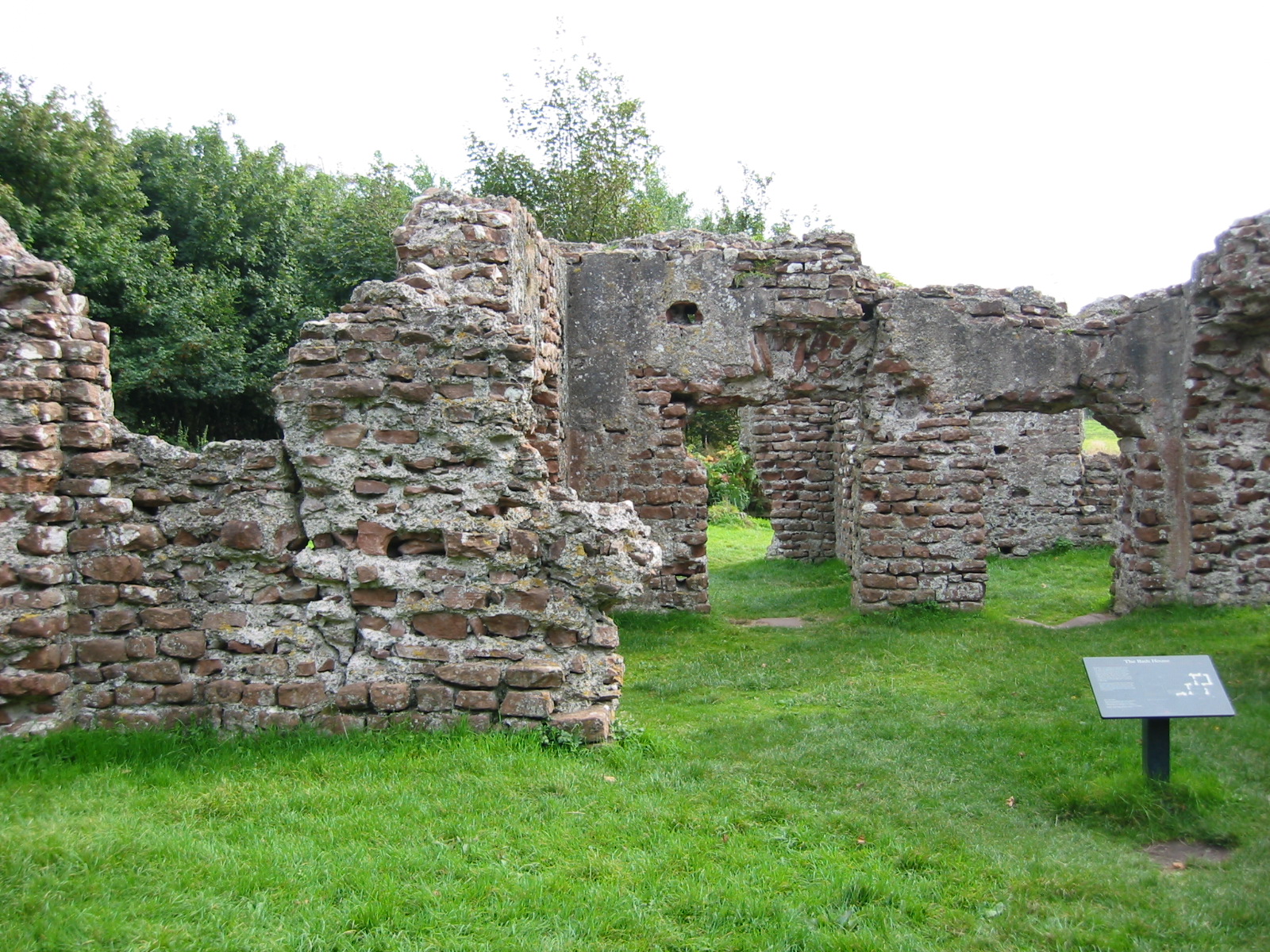
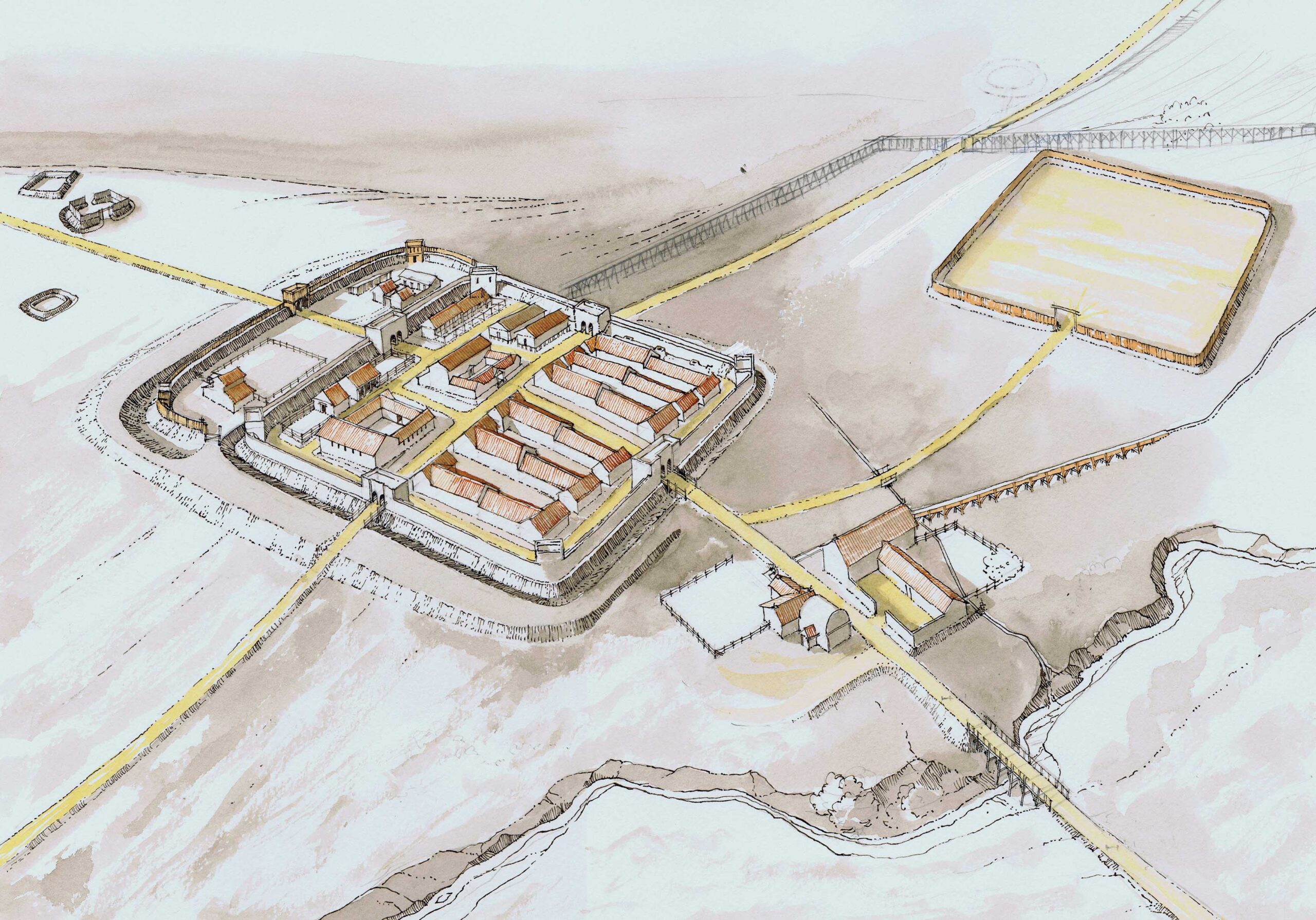
The impressive remains of the bath-house survive above ground to about 4m high. The fort which overlooked the coast and the vicus which nestled around it are now buried remains. Buildings in the vicus straddled cobbled roads over an area the size of six football pitches.
Underground
Roman Ravenglass was made up of soldiers, women and children, traders, sailors, and craftsmen. As well as the soldiers and cavalrymen who were posted in the fort there was a whole community living in the vicus settlement.
Discovering Roman Ravenglass
The Roman fort at Ravenglass was first discovered in the 1850s.
During the 1880s local notables including Lord Muncaster began to excavate the site. In the 1970s the site was excavated using modern archaeological techniques.
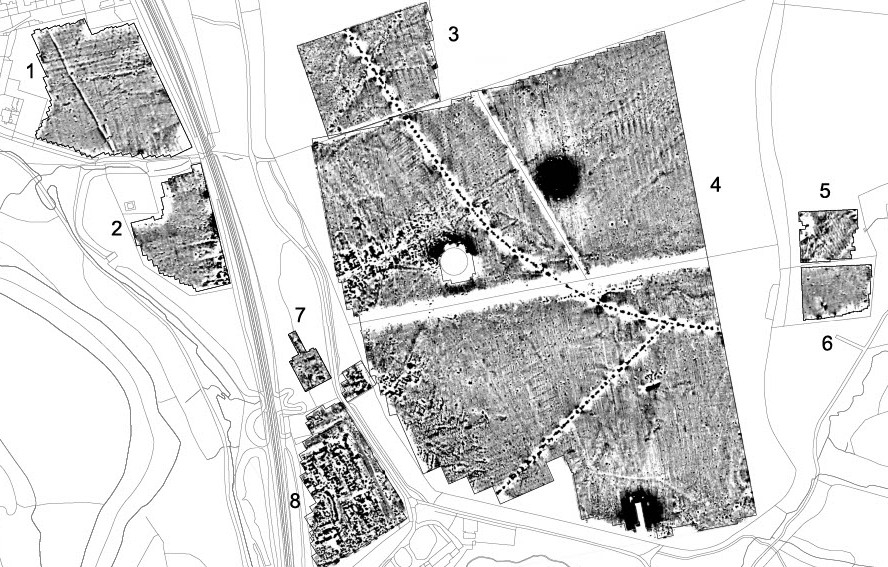
Geophysical survey
Initial geophysical surveys some 30 years later revealed rectangular outlines inside the fort. These remains of barrack block buildings showed that both infantry and cavalry troops were stationed at Ravenglass.
The survey results importantly illustrated the extent and layout of the vicus. The stone walls of buildings could be seen strung along the substantial Roman road leading through the vicus to the fort at Hardknott.
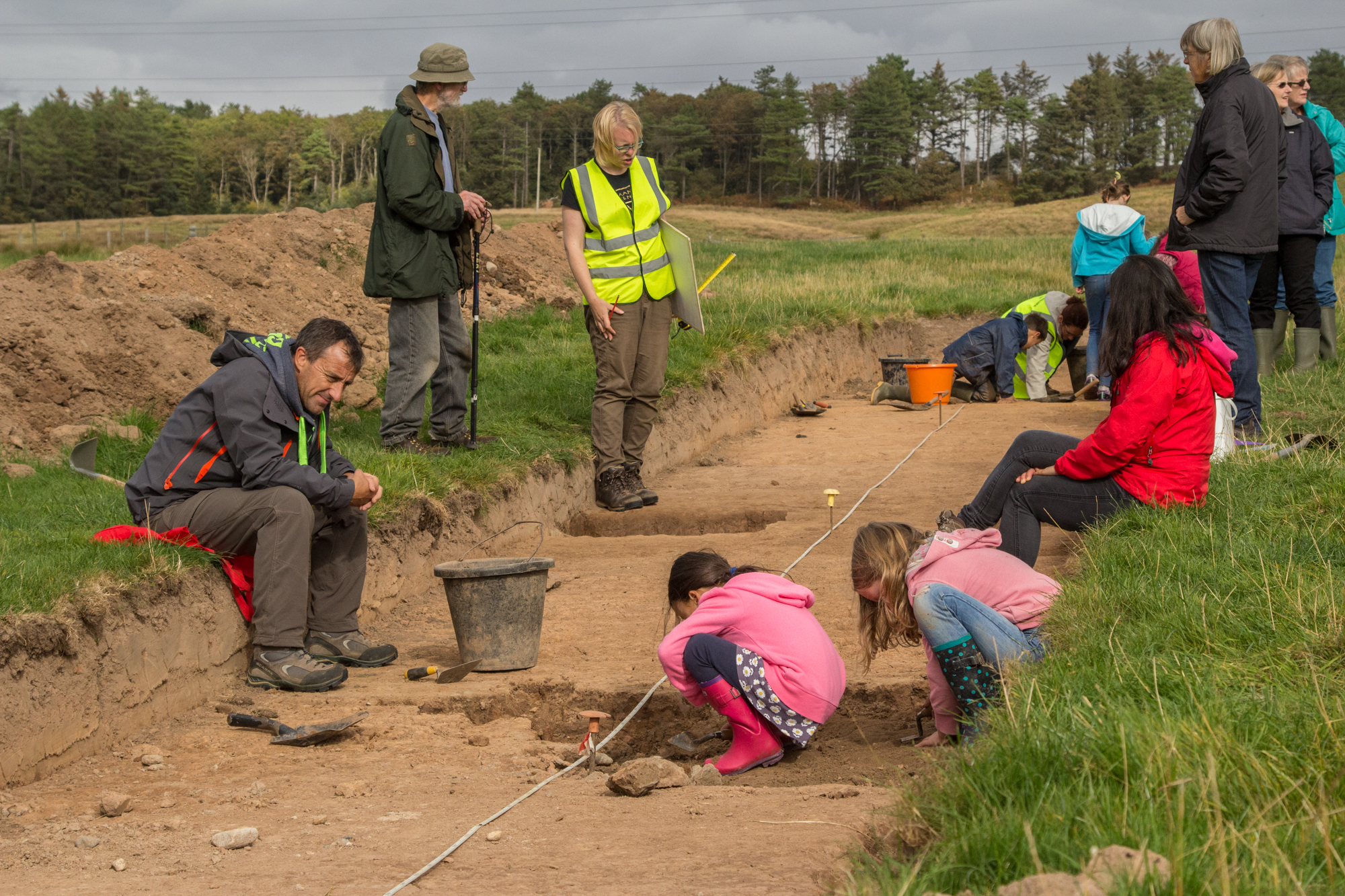
Archaeological excavation
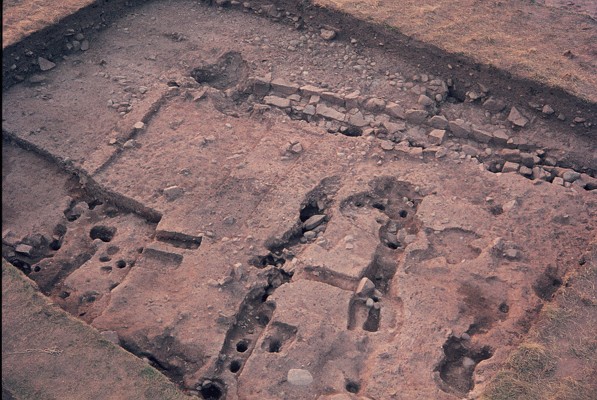
During the 2013-2014 excavations remains of walls from many Roman buildings were found. Artefacts including beads, bits of crockery, hob-nails from shoes, coins and decorative beads provided clues to everyday life for the Romans in Ravenglass. Because of metal-working iron waste we found, we also know that some of the buildings in the vicus were used by blacksmiths.
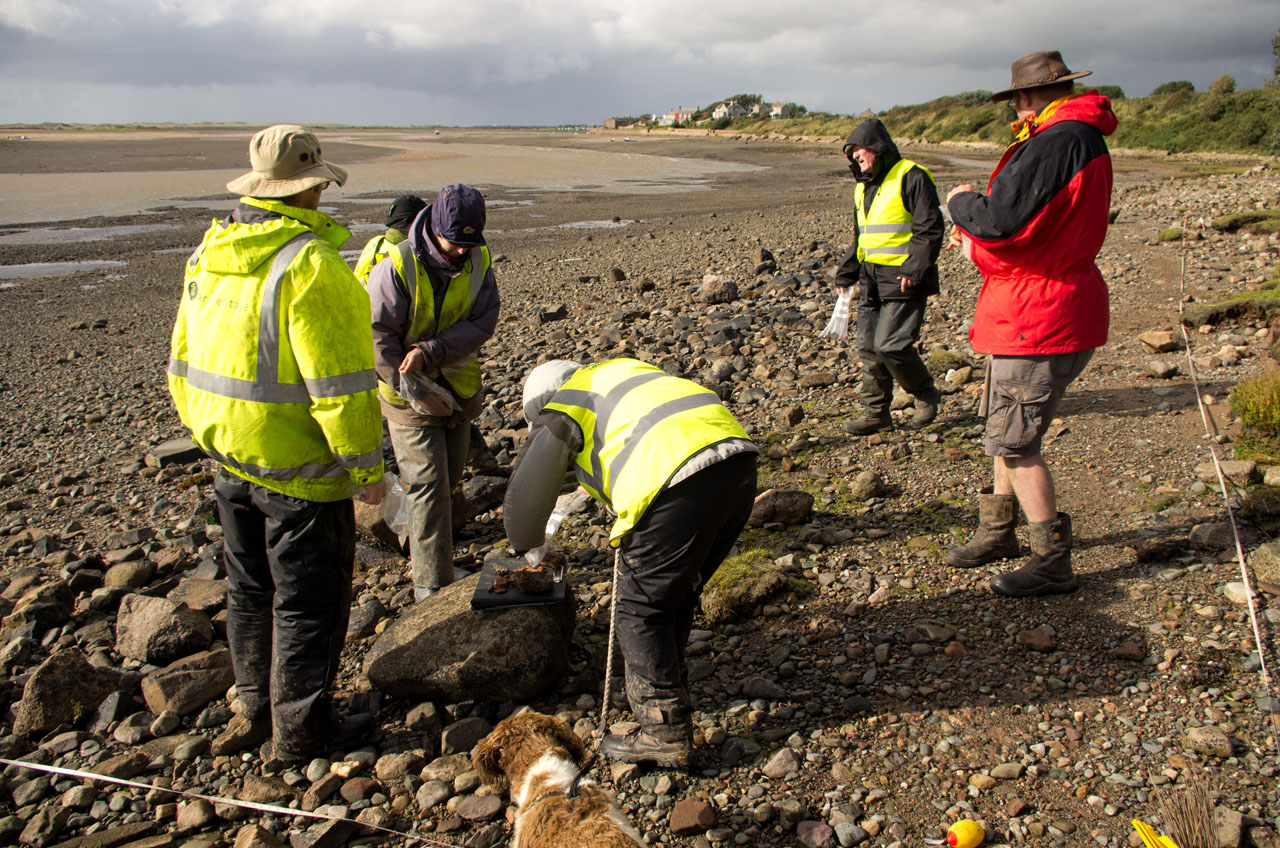
Field walking
Artefacts were recovered during field-walking on the beach. We now know that the vicus extended to the cliff and is eroding into the sea. Future surveys can now monitor erosion and loss of archaeological deposits.
Scheduled Monument
The Ravenglass Roman fort and settlement are part of the Hadrian’s Wall UNESCO World Heritage site. Ravenglass Roman fort and bath-house are protected as Scheduled Monuments. Though they have survived for 2,000 years the sites can be easily damaged.
It is illegal to use metal detectors on Scheduled Monuments. Please do not use metal detectors on private land without the landowner’s permission
Please help preserve the Lake District’s heritage by leaving the site exactly as you found it. Please take care around the remains of the bath house.
A volunteer project
Romans in Ravenglass took place over eight weeks, spread across two seasons during 2013 and 2014.
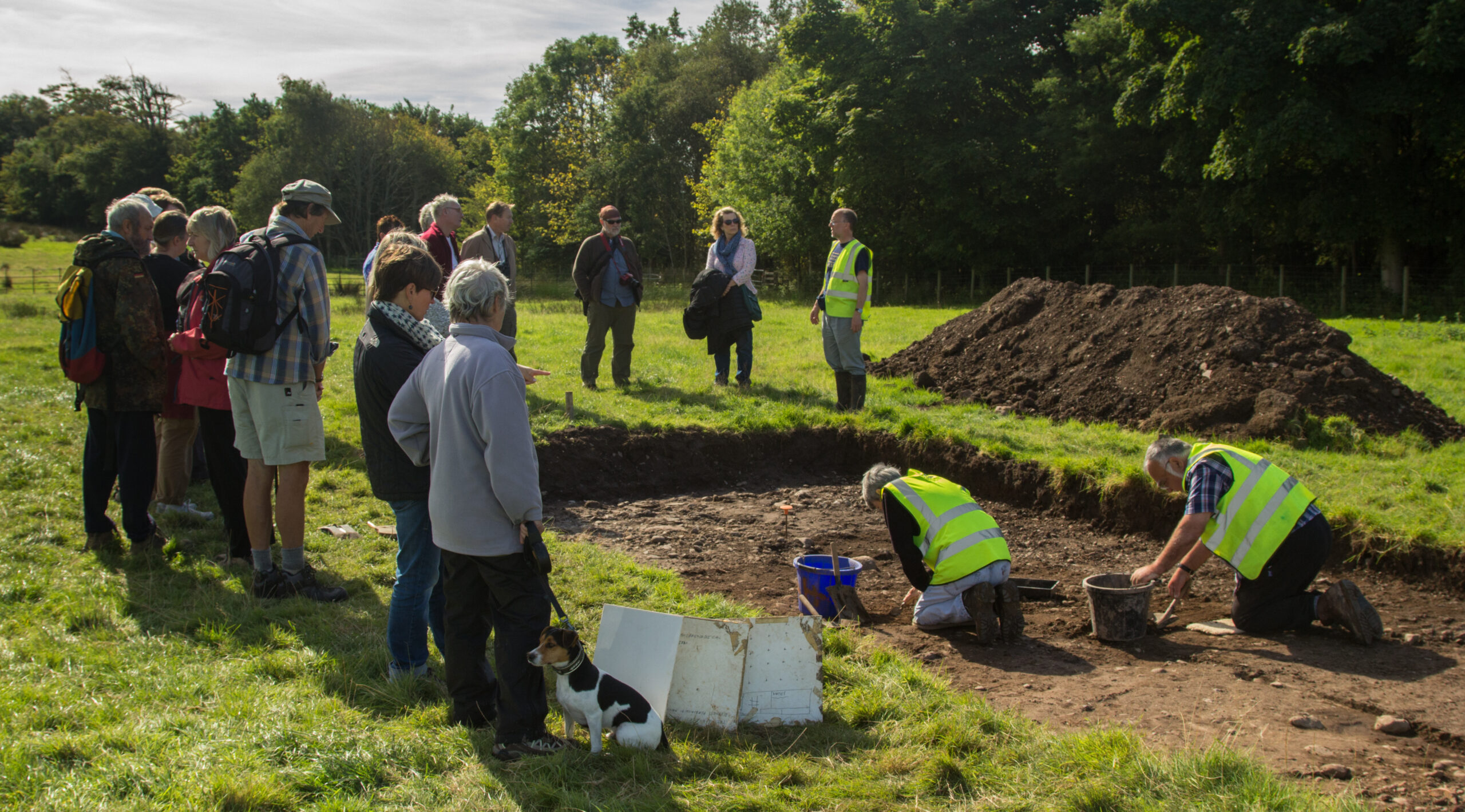
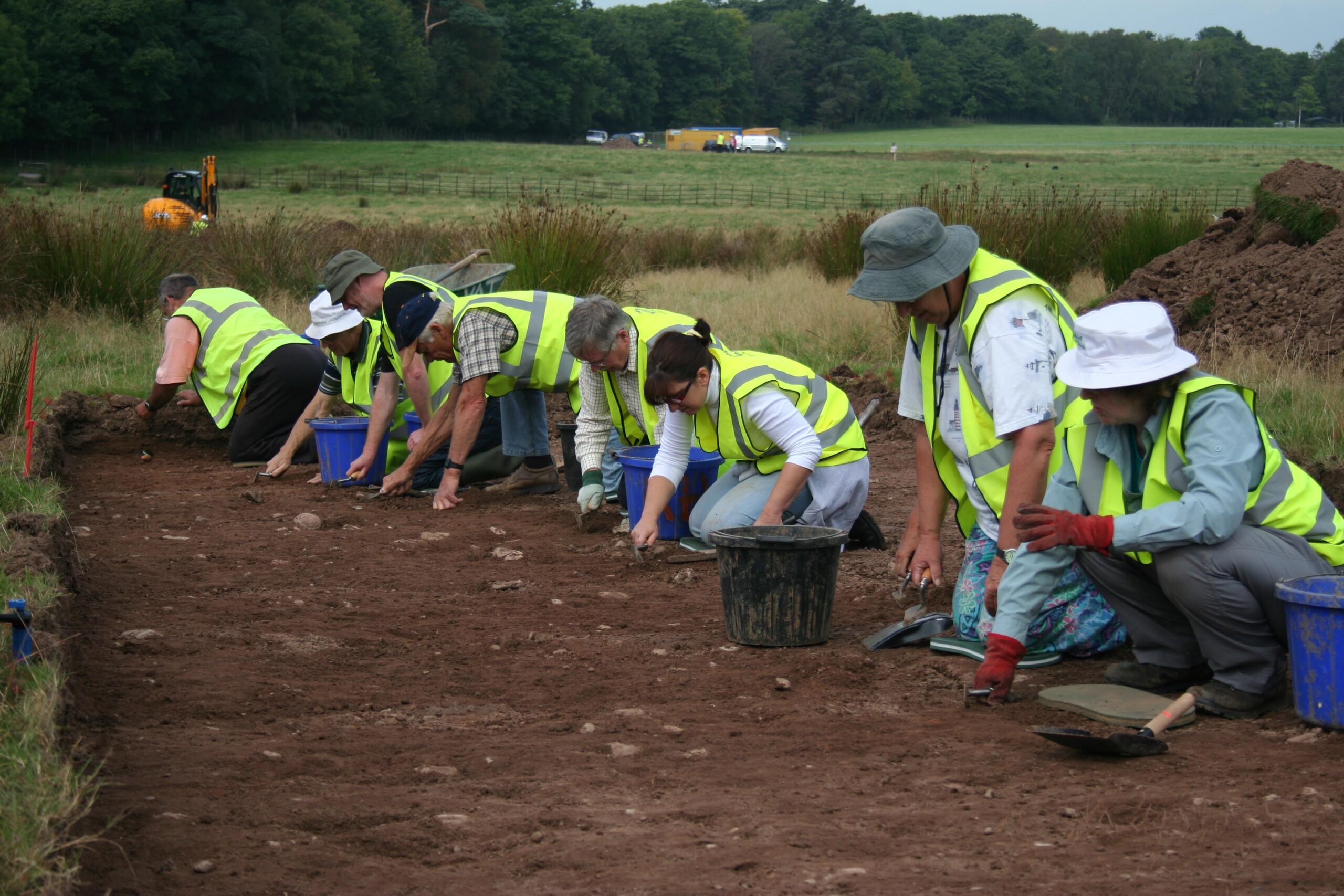
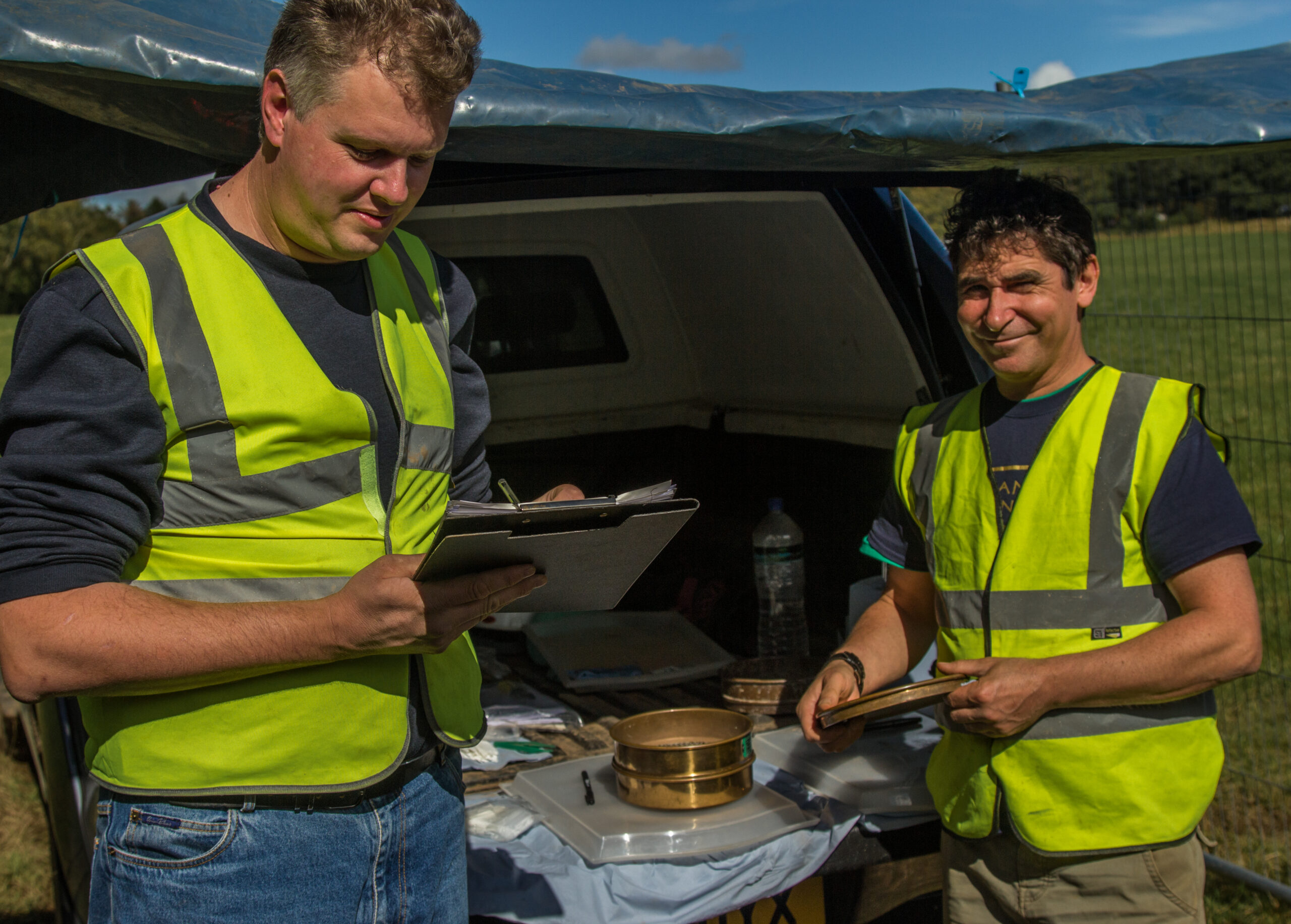
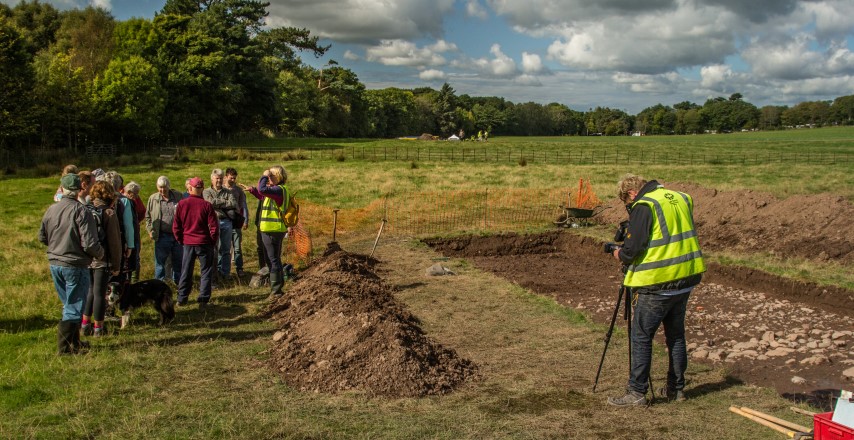
900 volunteers worked alongside professional archaeologists to uncover a host of Roman remains. Each volunteer received expert training to carefully excavate and record what they found. Volunteers also received training to deliver on-site outreach sessions and site tours.
Involving local people
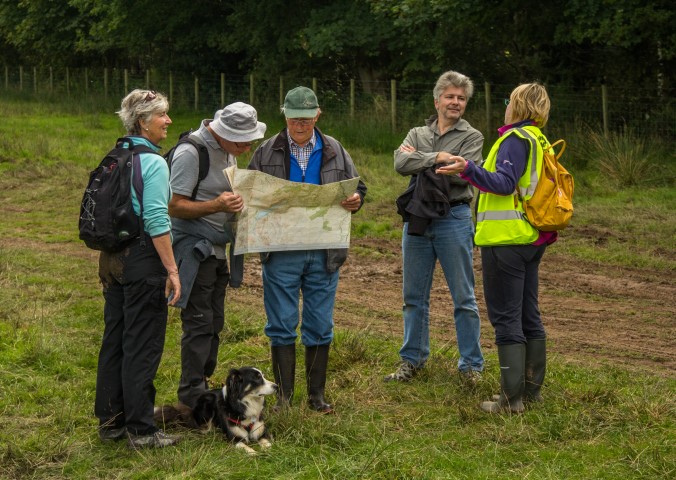
The Romans in Ravenglass project was community-led, involving local people in planning, preparation, and the excavation itself.
Outreach was a significant part of the project, delivered across a series of strands.
Schools and young people
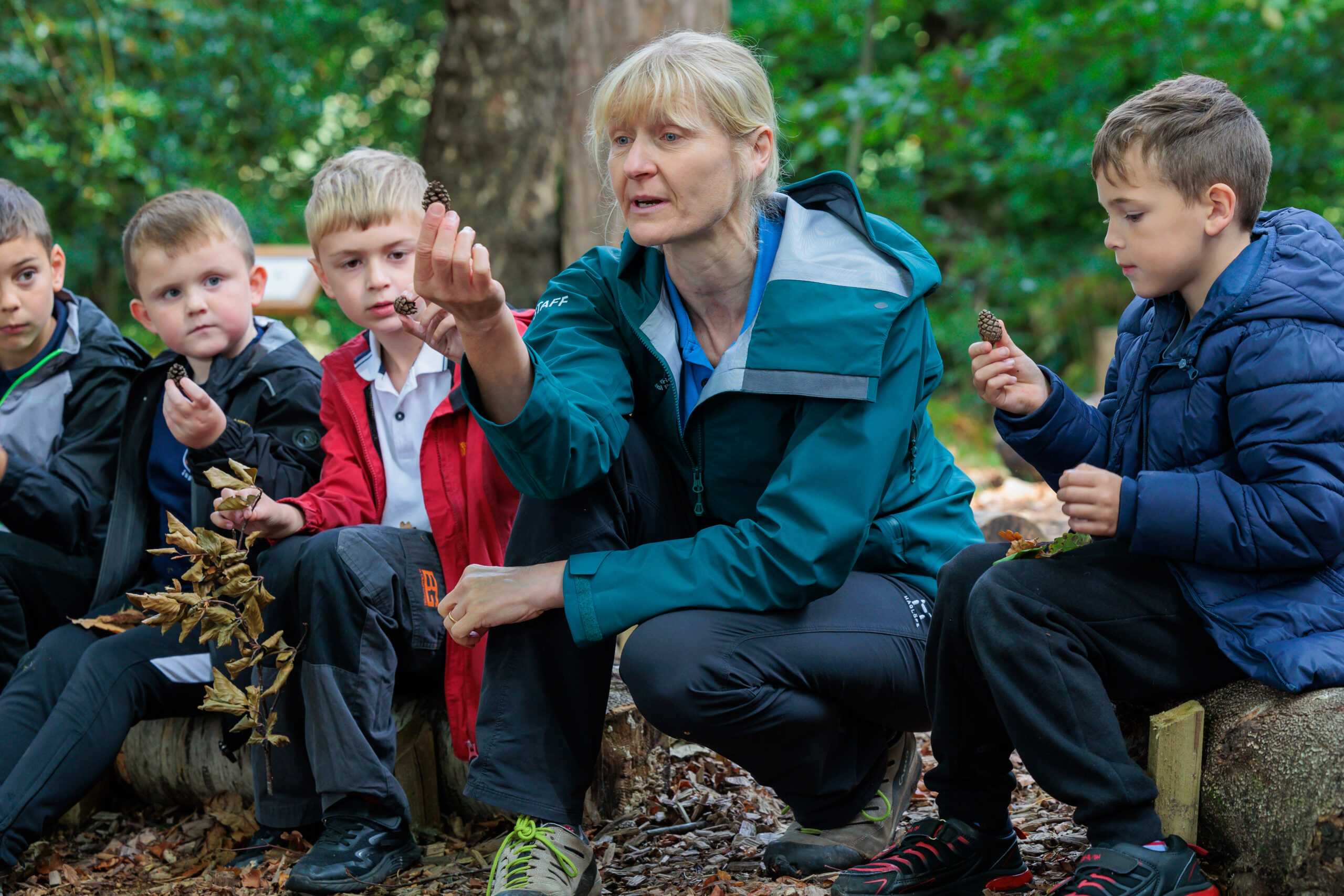
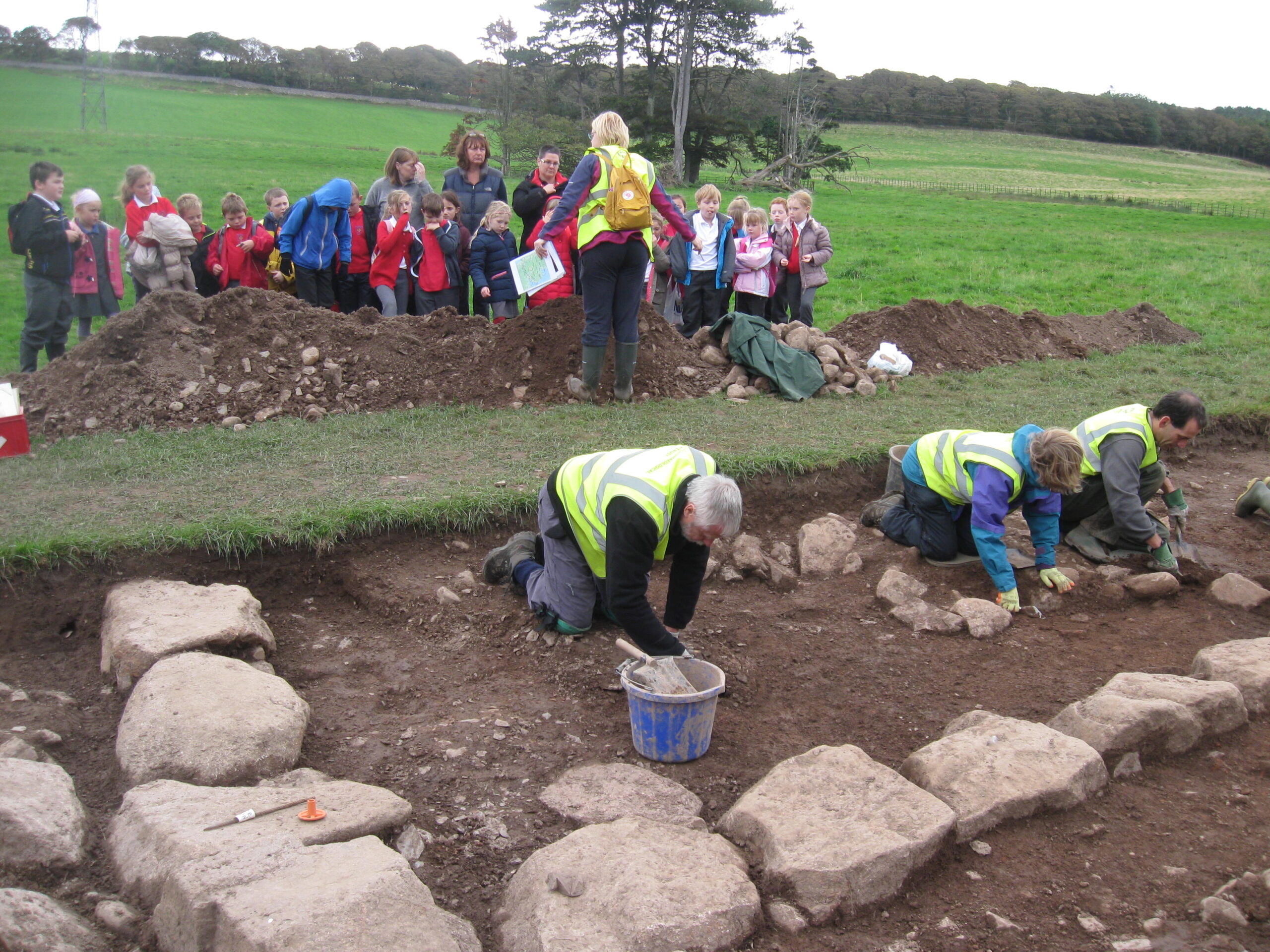
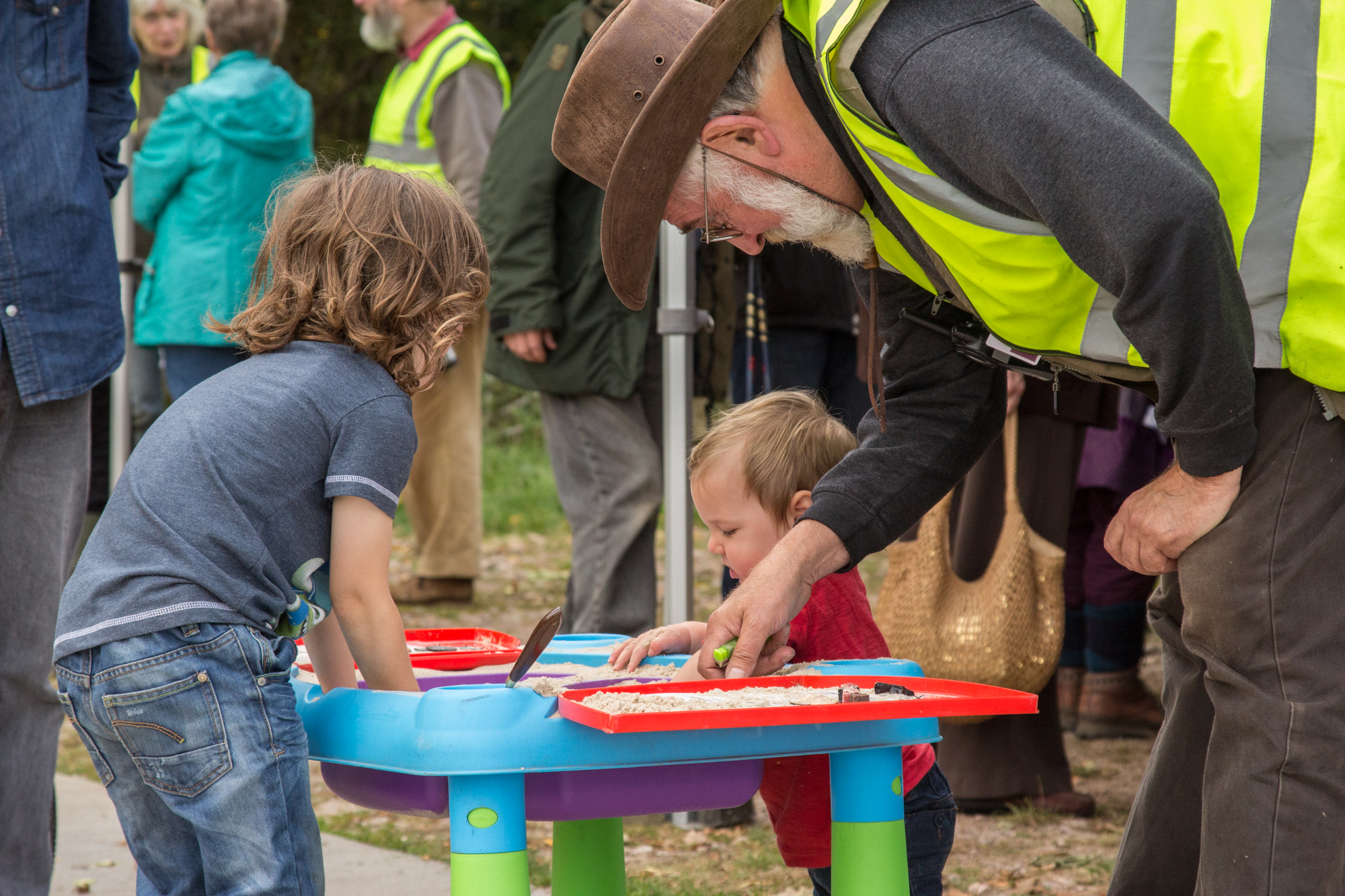
The site received 215 pupil visits from eight local schools. On-site activities included a tour of Roman Ravenglass, finds-handling, finds-washing, and helping to excavate part of the site. To support the site visits, in-school sessions for five of these schools were based around Roman artefacts from Tullie House Museum and Art Gallery. In addition to the schools outreach, 16 young people, including members of the Kendal Young Archaeologists’ Club, were provided with bespoke sessions.
“The children learned a lot, were inspired, and it was a great start to our Roman topic – hands on history.”
Head of Ennerdale and Kinniside CE Primary
Public engagement
“[The highlight of 2014 was] the sheer volume of interested visitors. There were so many at times that we found it hard to keep count.”
An archaeology volunteer
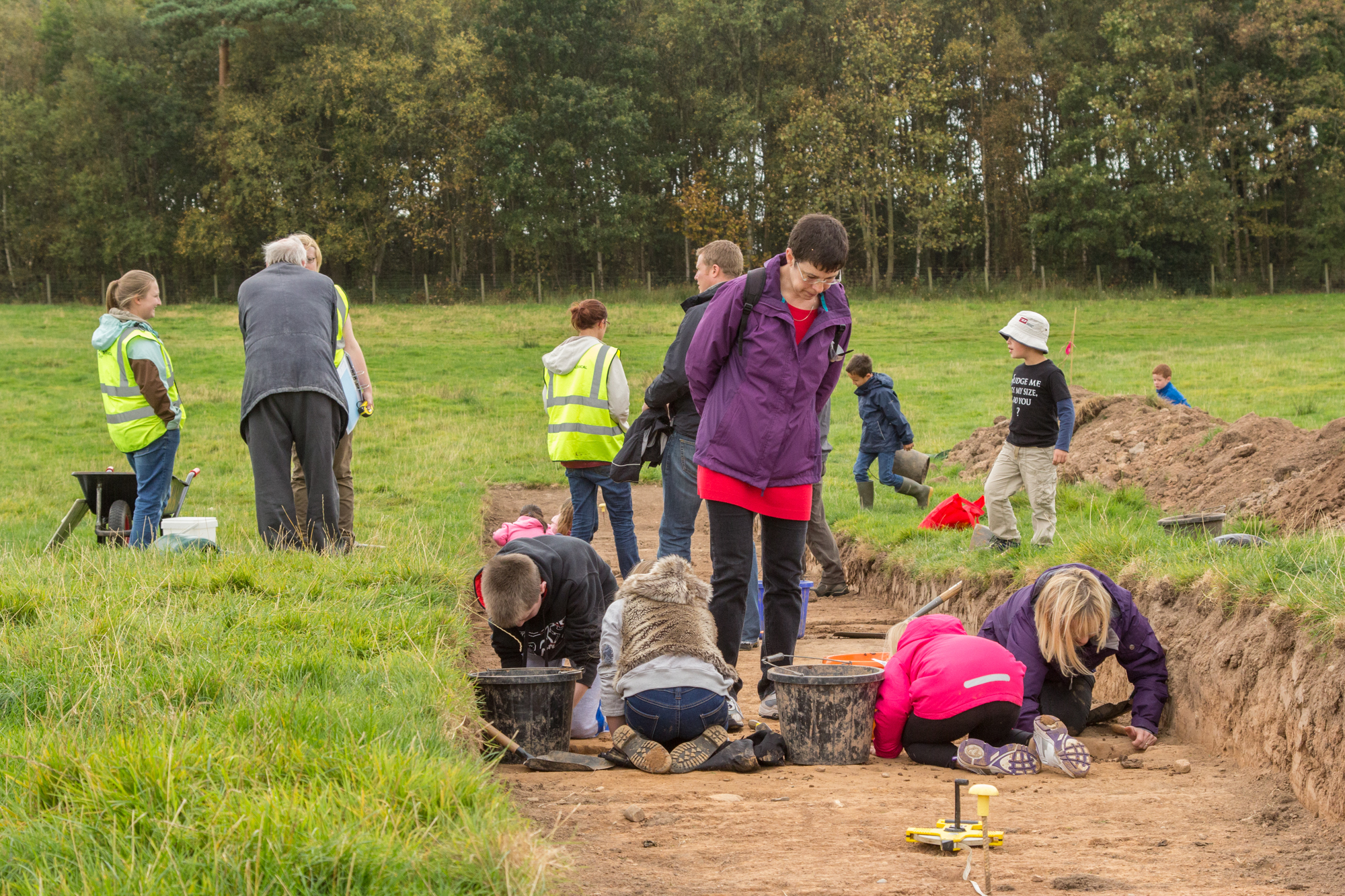
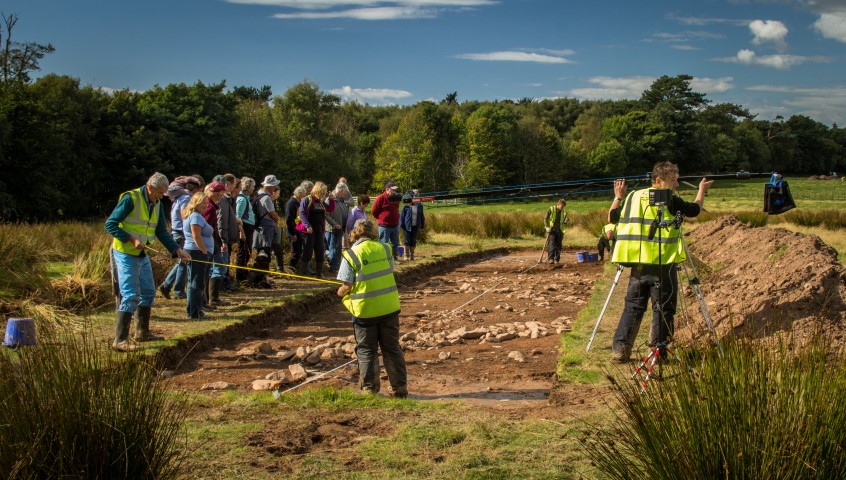
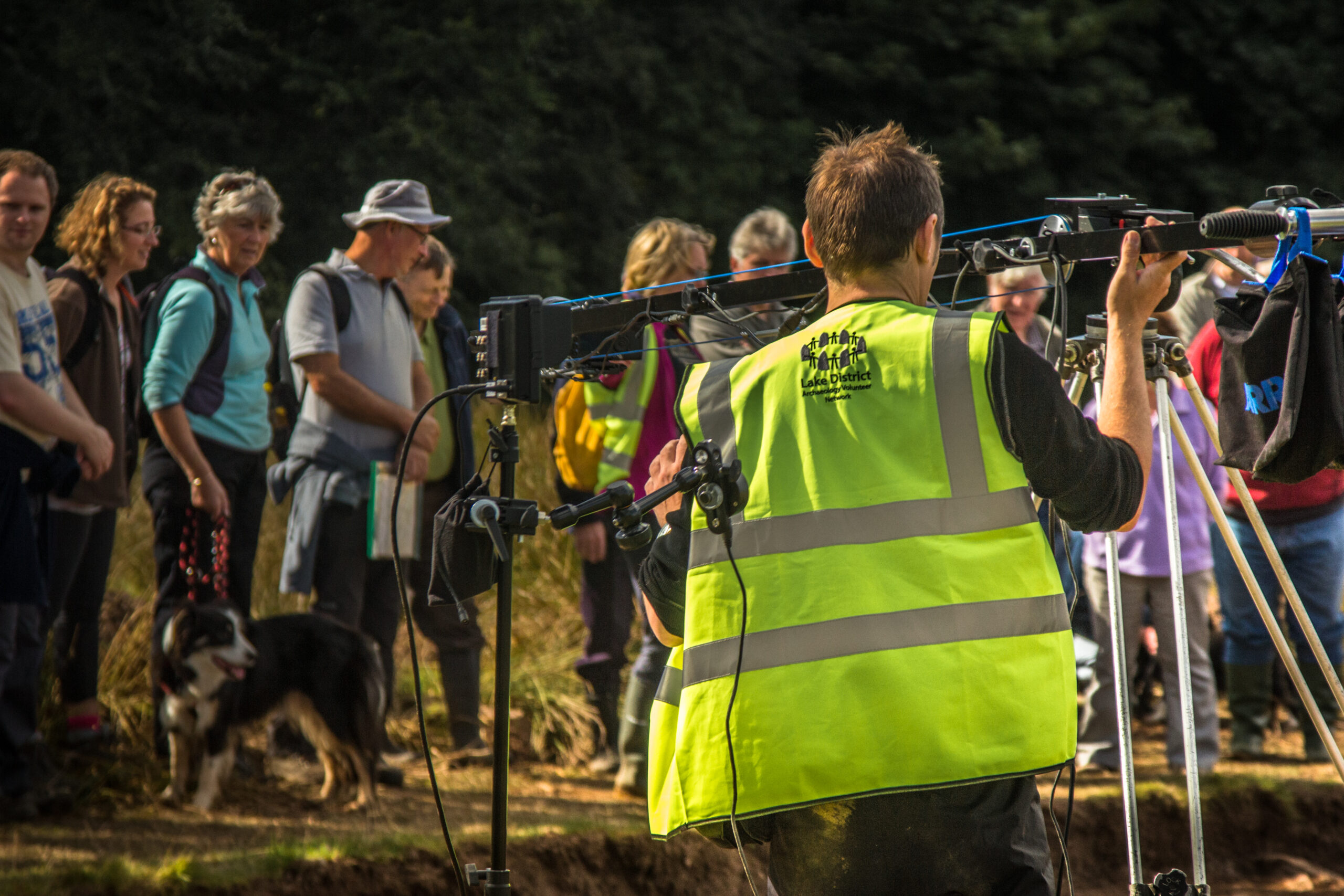
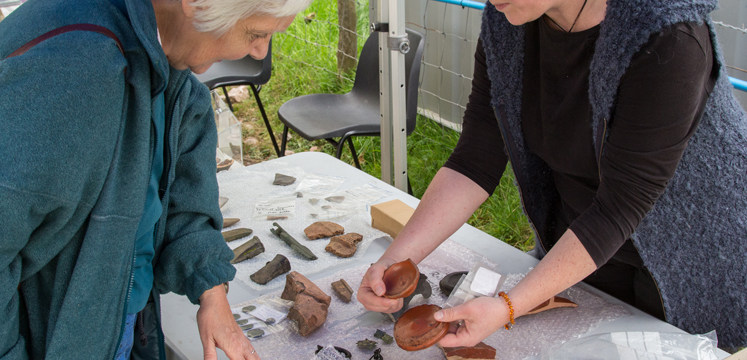
The excavation site was open every day for site tours. Seven special open days attracted 800 people. Open day activities included excavation, mosaic-making, finds-handling, treasure hunts, finds-displays, finds-identification with the Portable Antiquities Scheme, and site tours. The events attracted both visitors to the area as well as local residents.
Resources
Read more about the Romans in Ravenglass project in our full reports or find a brief overview of the project in our printable leaflet and Miles without Stiles route below:
Watch our films
As part of the Romans in Ravenglass project, we’ve commissioned some great films. Hear more about the finds and discoveries from around the Roman Fort in Ravenglass. There are interviews with archaeology experts, local volunteers and schoolchildren.
Romans in Ravenglass Season One
Romans in Ravenglass Season Two
Project partners
Romans in Ravenglasswas a partnership project between the Lake District National Park Authority, Muncaster Parish Council and the Muncaster Estate.
York Archaeological Trust supervised the archaeological investigation. Minerva Heritage Ltd oversaw the outreach and interpretation programme.
Tullie House Museum and Art Gallery kindly loaned Roman artefacts for the on-site and in-school sessions. The Portable Antiquities Scheme’s Finds Liaison Officers for the North-West kindly attended some of the open days to provide finds-identification workshops.
Funded by