
Objectives
The Rusland Woodland objectives include environmental, economic and social considerations.
Improve the ecological condition of the woodlands.
Support sustainable timber that generates income to reinvest in woodland management, supports local contractors and craftspeople, and provides wood products internally for LDNPA projects.
Protect and enhance the Rusland Valley’s internationally rare temperate rainforest habitat.
Safeguard ancient woodland and veteran trees as irreplaceable assets.
Reduce the impacts of livestock, deer and grey squirrel populations through improved, impact-driven and collaborative management.
Build woodland resilience to climate change, associated climatic stressors, and pests and disease through adaptive management.
Conserve features of cultural and industrial heritage and uphold attributes that define the Lake District’s World Heritage Site status.
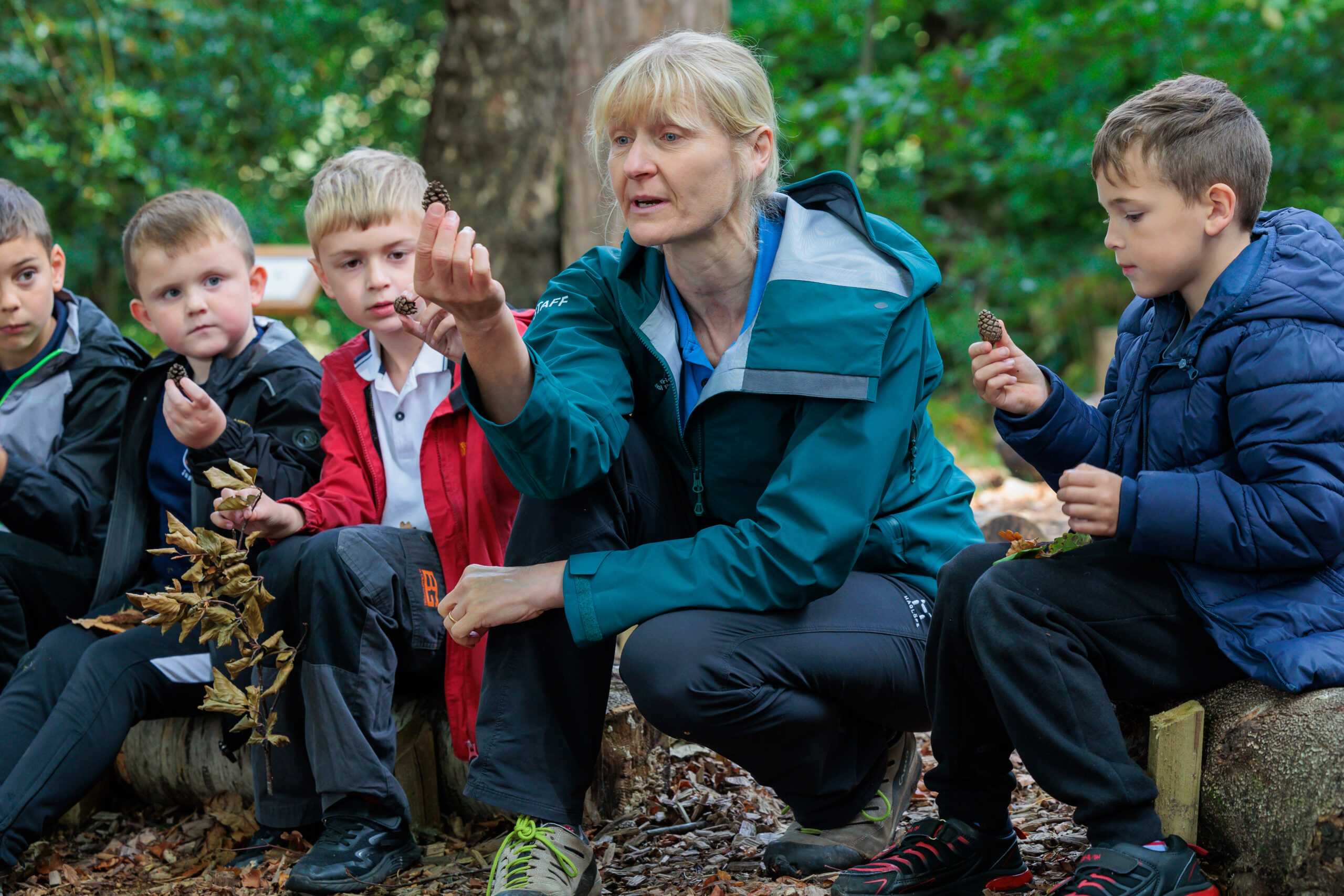
Deliver benefits for people alongside nature recovery by supporting safe access, quiet enjoyment and opportunities for recreation, learning and community engagement.
Monitor woodland condition and management outcomes, adapting management practices as required to achieve long term objectives.
Management actions
Public access is an important part of these woodlands, and we are committed to protecting it. All planned operations have been designed to be sensitive and carefully managed, balancing the need for nature recovery with ensuring people can continue to enjoy and connect with these landscapes.
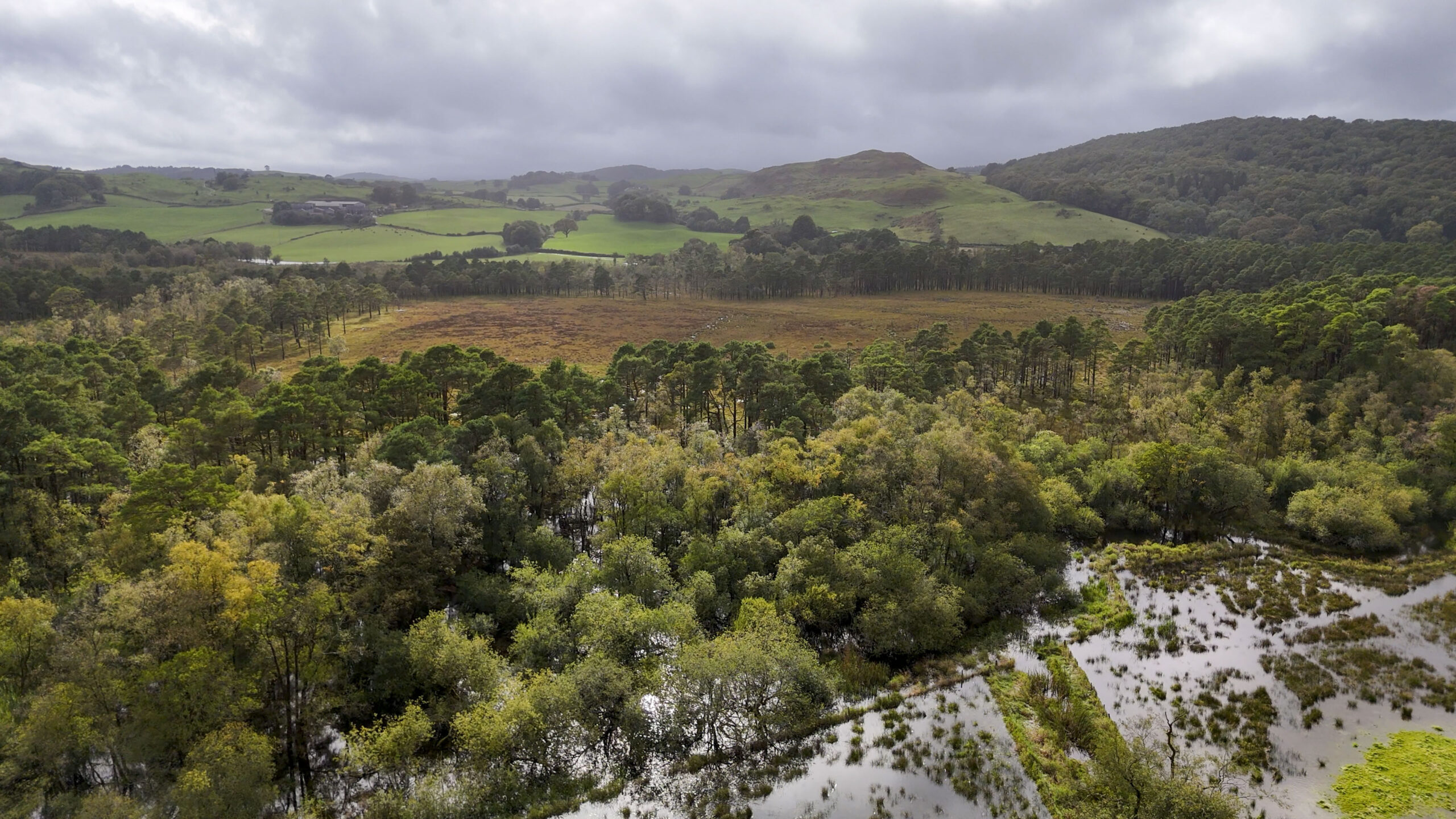
Some of the larger-scale operations proposed include the removal of self-seeded Scots pine and birch from the lowland raised mire at Rusland Moss SSSI, where their presence is contributing to a decline in condition (this work will require Environmental Impact Assessment (EIA) consent from the Forestry Commission). The plan also includes ongoing PAWS (Plantations on Ancient Woodland Sites) restoration at Haverthwaite Heights, involving the gradual removal of non-native conifers and their replacement with native broadleaf species.
Examples within the plan
Woodland and tree management
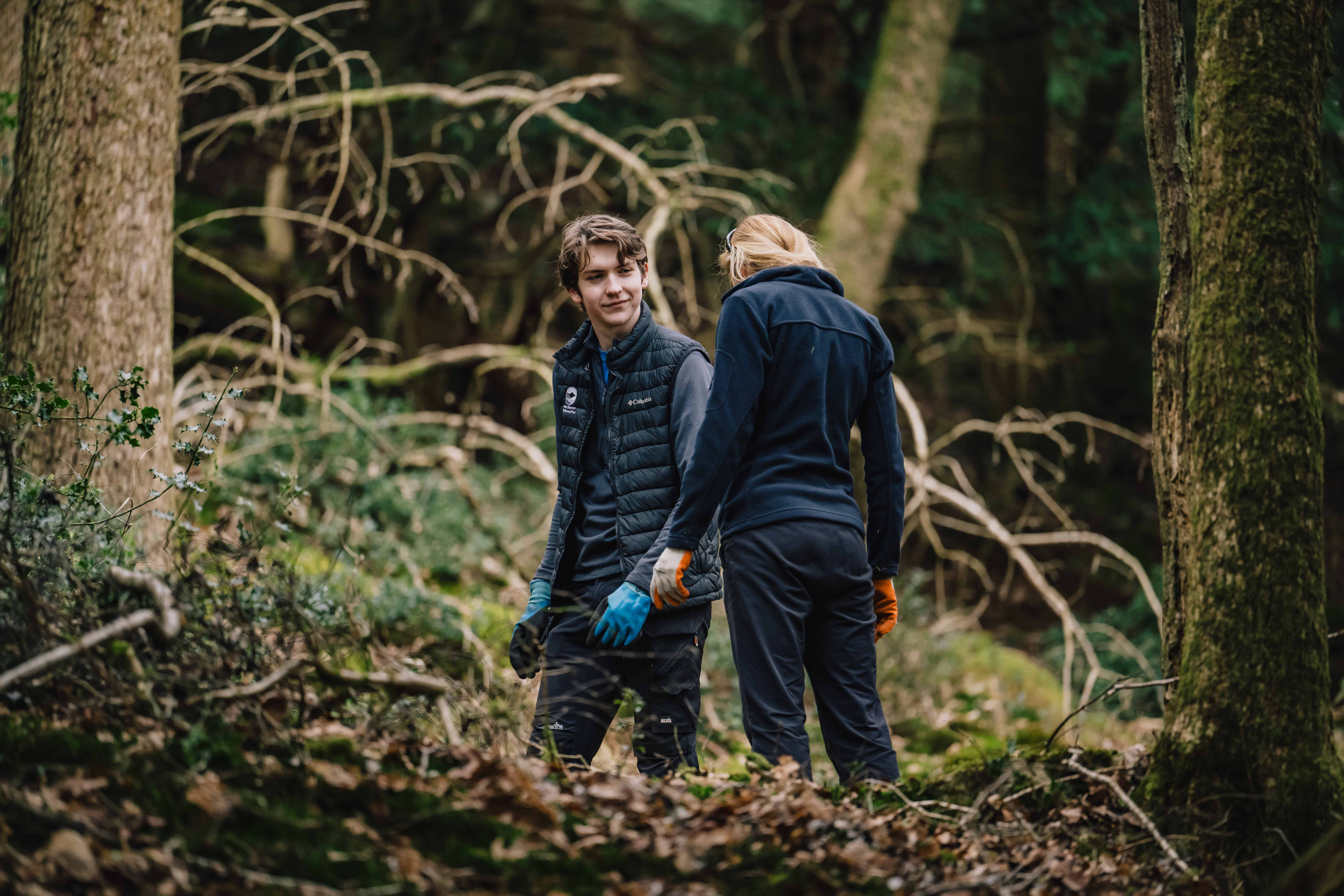
- Creation of woodland openings and application of selective thinning, respacing, coppicing and irregular ride and path edge management to enhance structural diversity and light variation
- Halo thinning around selected future and near‑veteran trees to improve crown development, longevity and continuity of veteran habitat
- Encourage understorey development through enrichment planting and targeted protection of natural regeneration
- Phased felling of larch at High Dam
- Access track created at Haverthwaite Heights to support sensitive timber extraction
- Felling for tree safety where required alongside paths, roads, public areas
Species management
- Ongoing control of invasive non‑native species (e.g. Himalayan balsam, rhododendron ponticum, cherry laurel, skunk cabbage) where present
- Gradual removal of non‑native conifers and areas of dense, cast shading beech to restore native woodland structure and species composition
- Removal of self-seeded Scots Pine and Birch at Rusland Moss National Nature Reserve as part of lowland raised mire restoration
- Selective management of dominant coarse vegetation (including holly, bracken and bramble) where it suppresses
- Deer and grey squirrel management to be continued
- Manage encroachment of vegetation on heritage features and Scheduled Monuments
Adaptation
- Creation of a wildfire preparedness plan