


Our initial approach included:
- Improving building energy-efficiency:
- Improving insulation
- Installing biomass boilers at our Head Office and Northern Office
- Installing an air-source heat pump at Ullswater Information Centre
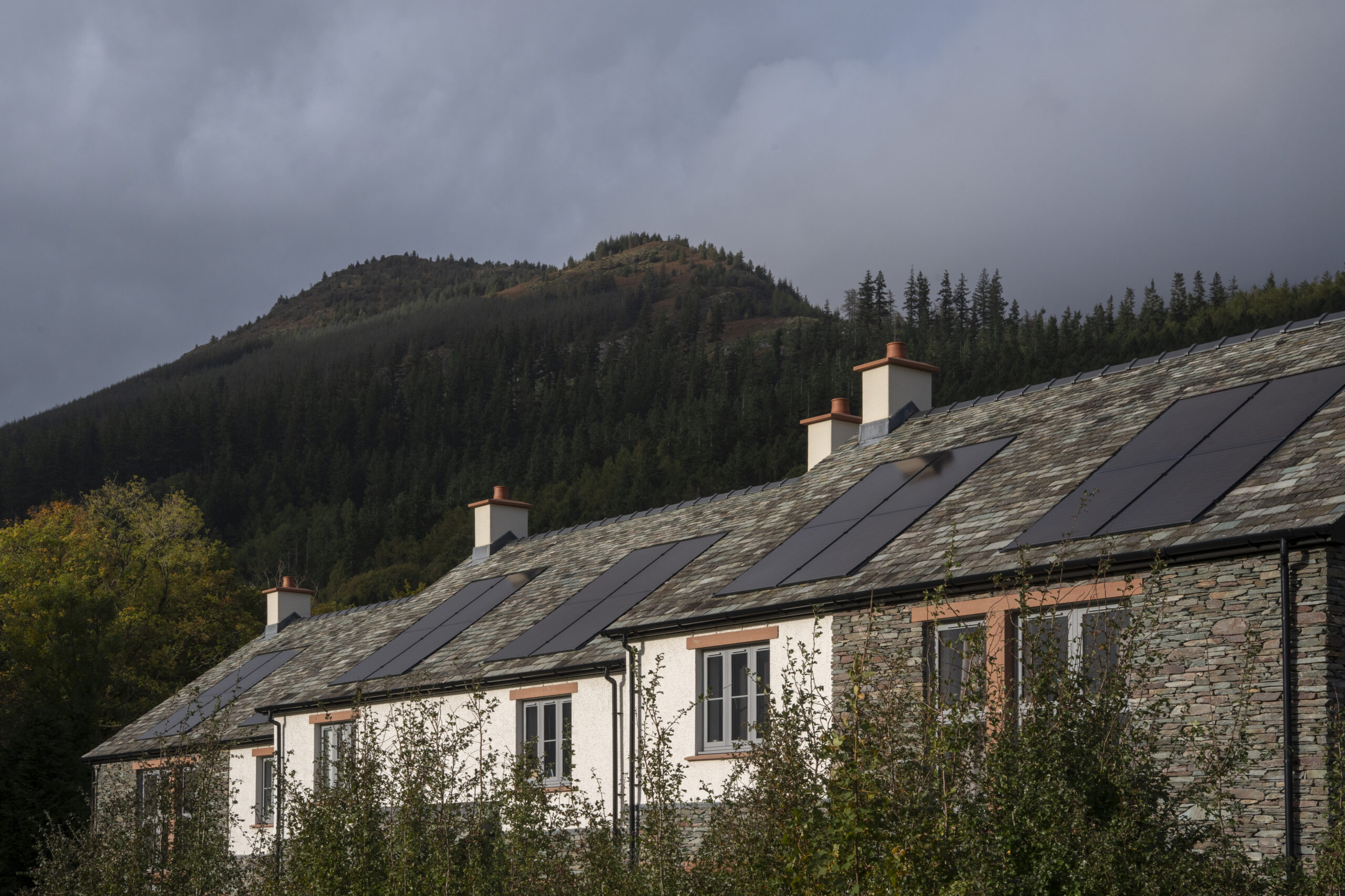
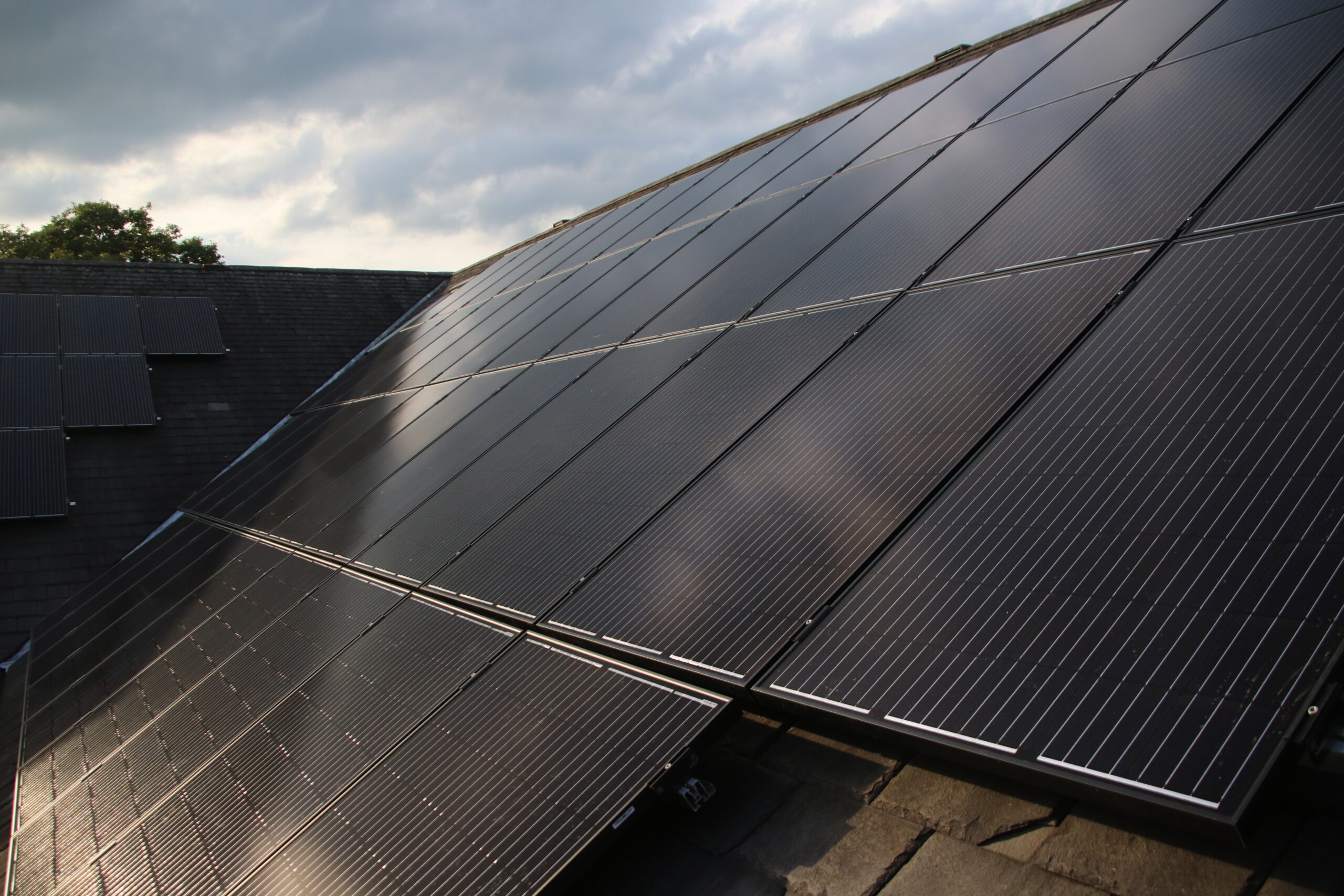
- Installing solar photovoltaic panels at our Head Office, Northern Office and Coniston Boating Centre
- Replacing old lighting with LEDs at various locations
- Installing voltage optimisation at our Head Office
- Reducing our transport emissions:
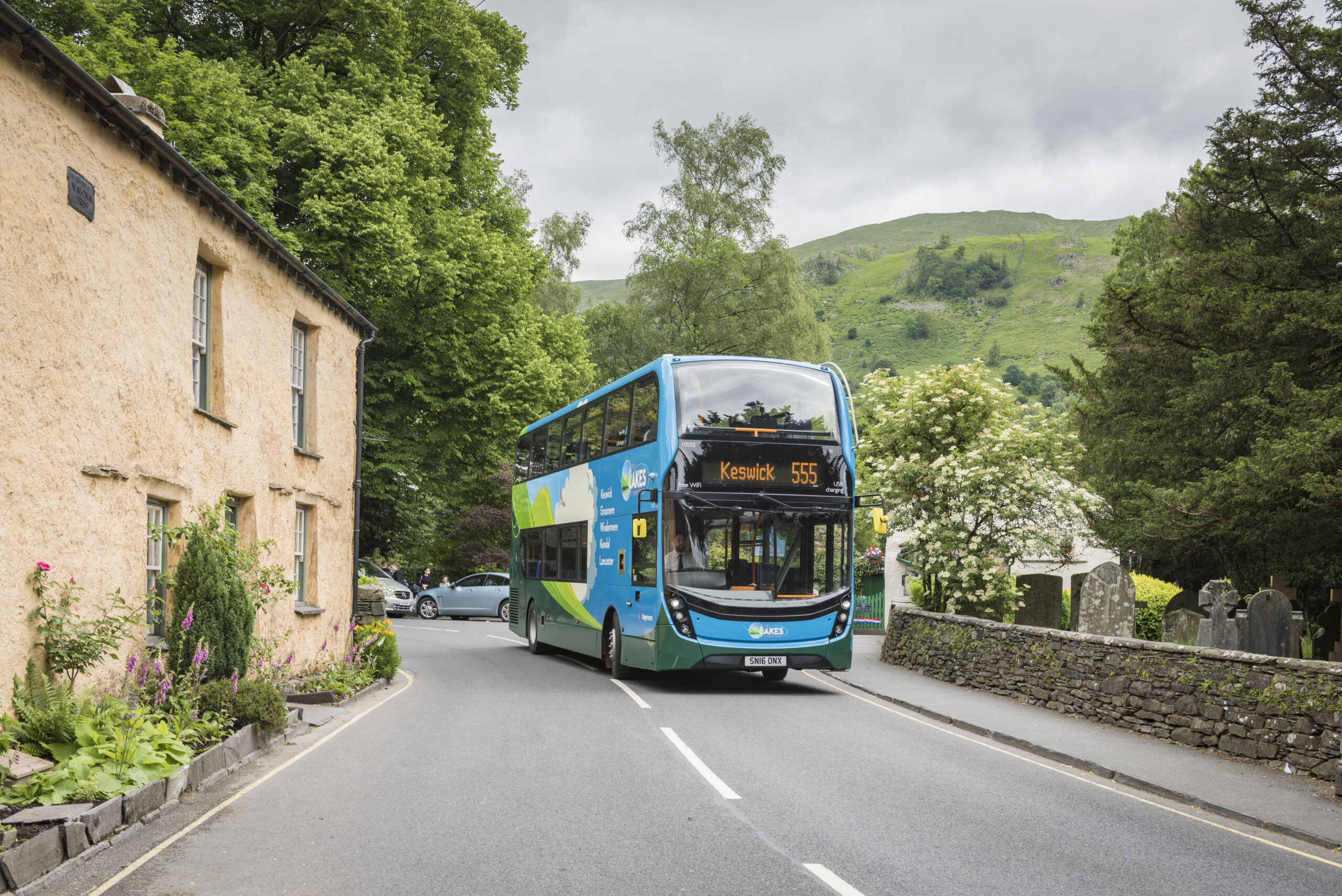
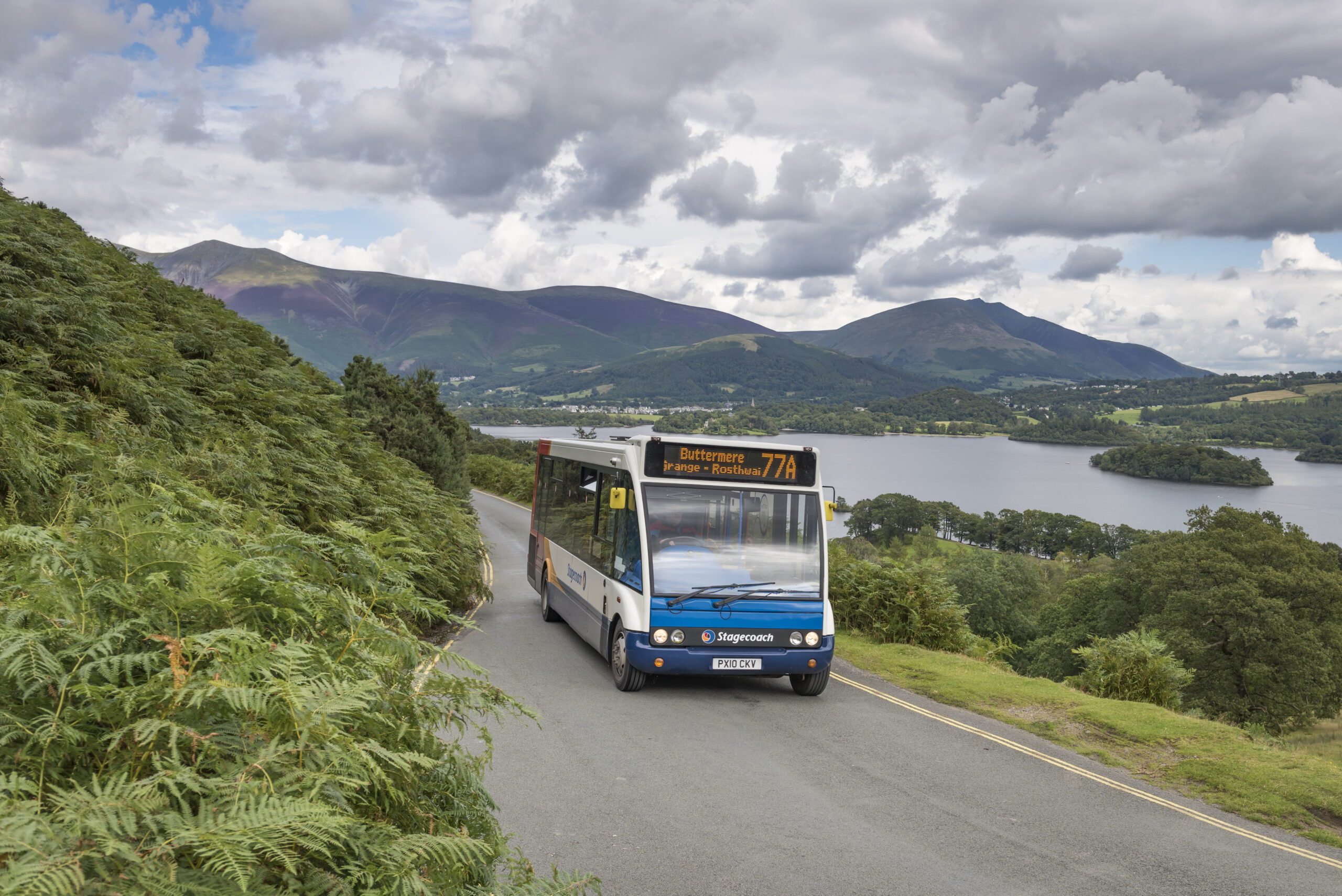
- Introducing a ‘travel hierarchy’ to promote the use of active and public transport and lift-sharing and minimise vehicle mileage
- Invested in a pool of low-emission vehicles and discouraged own-car use
We have subsequently adopted a net-zero approach with a target date of 2030 and scope which includes all of our direct emissions plus some additional ‘Scope 3’ emissions such as leased-in buildings and non-fleet business travel. Our aim is to reduce our net emissions by 90% or more from a 2015 baseline, and offset no more than 10% of those emissions via genuine carbon sequestration.
Towards this goal, we have:
- Switched to a renewable electricity tariff
- Replaced 21 of our fleet with electric vehicles
- Embraced hybrid working and video-conferencing to reduce business mileage
- Improved the insulation of a further three buildings and replaced fossil fuel heating with air-source heat pumps at two more locations
…and we have further solar photovoltaic installations in the pipeline.
Sustainability
Our vision is to be ‘an inspirational example of sustainable development in action’, and being a sustainable organisation goes beyond climate action.
The climate and nature crises demand a change from ‘business as usual’ and we have to be prepared to think and do things very differently. To this end we are currently working on a fully-comprehensive Sustainability Strategy which will cover all aspects of the Authority’s impacts including land management, resource efficiency, procurement, waste, water and internal processes such as project management.
For instance, we have recently updated our procurement procedures to give more weight to social value and sustainability, and are working on how to improve the measurement of things like waste and commuting so that we can minimise these impacts.