




Where can I swim?
You can swim in most of the lakes, tarns and rivers in the Lake District. Some lakes are busier than others, here’s our guide to where to have an enjoyable and safe dip.
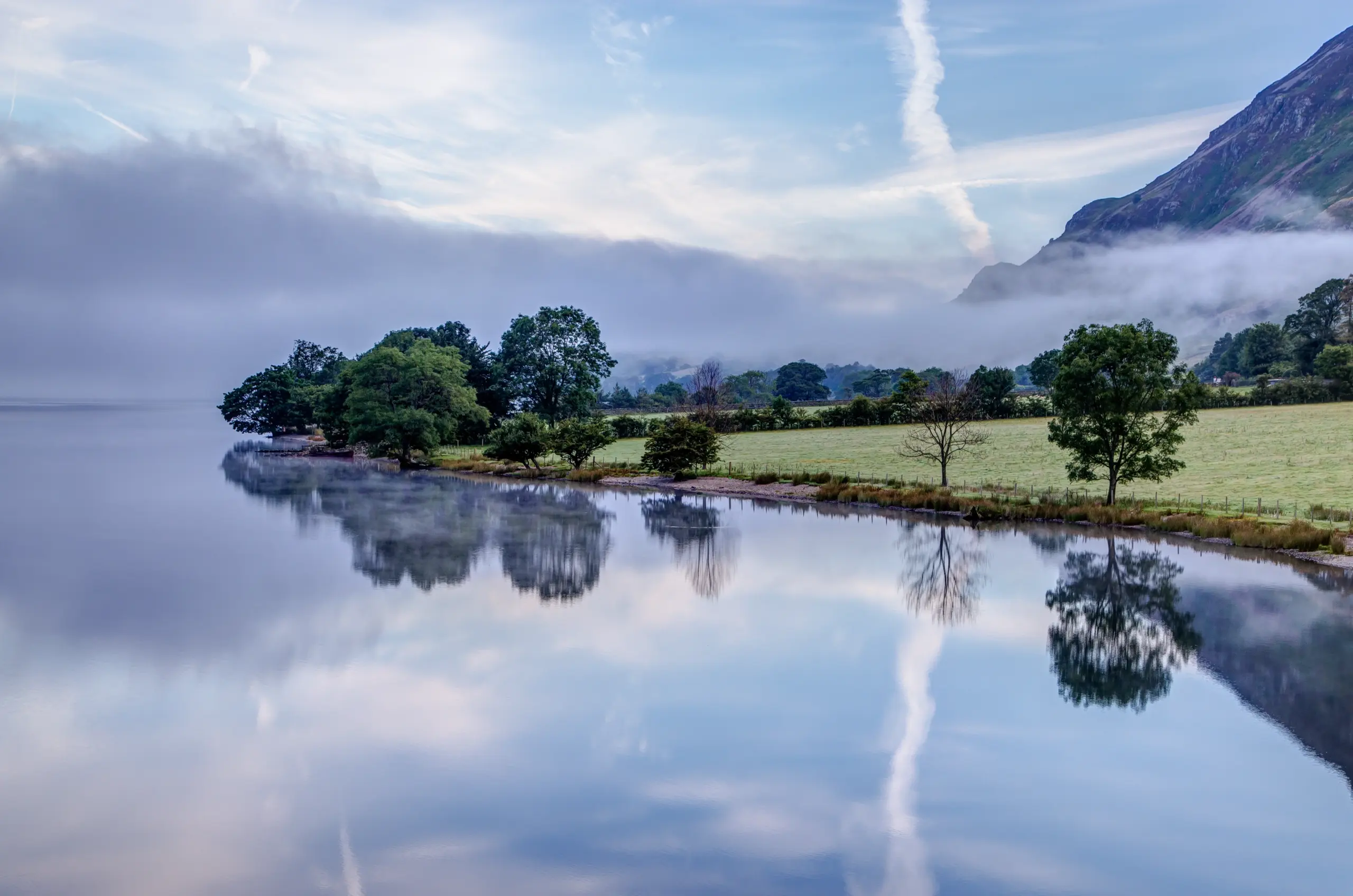
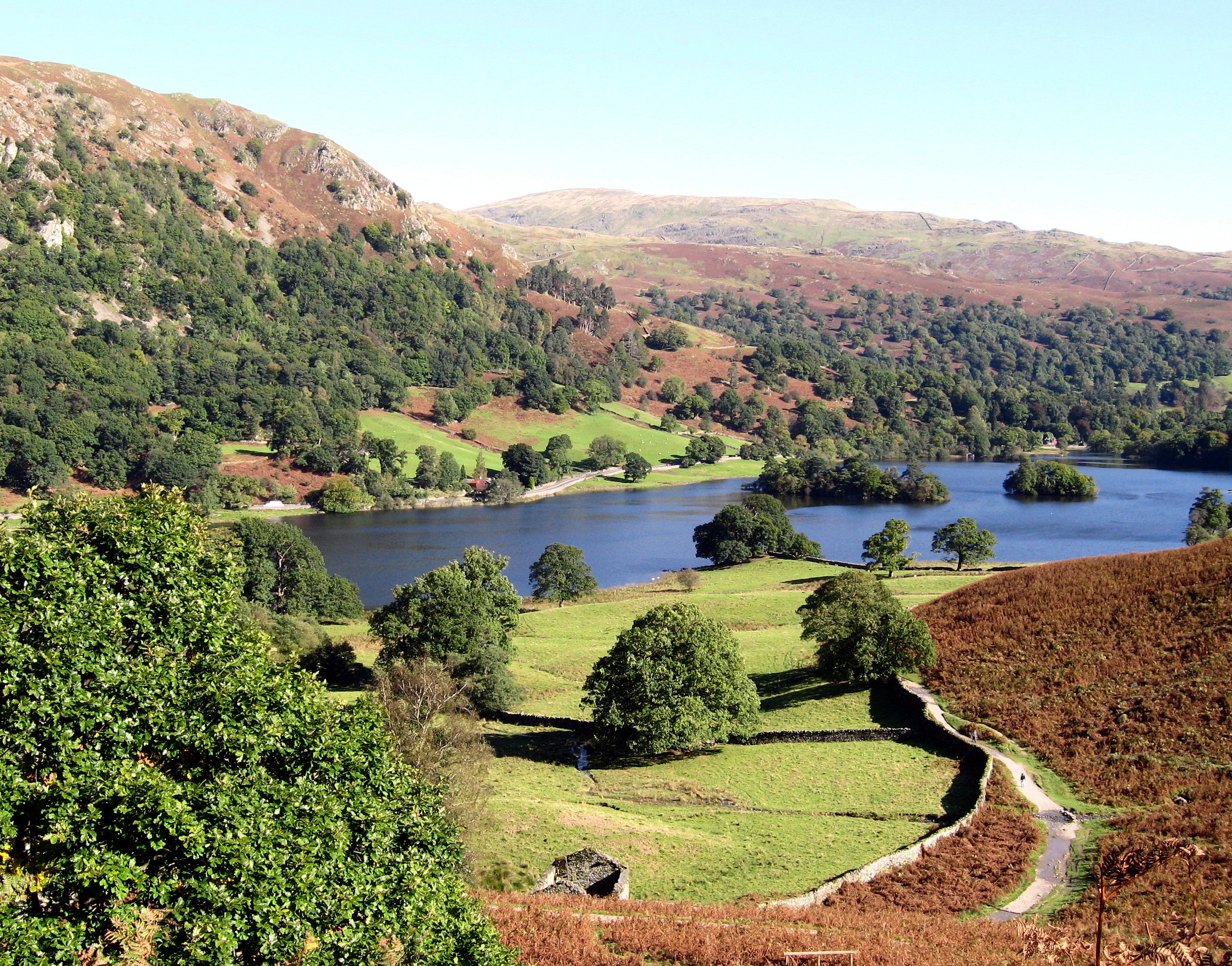
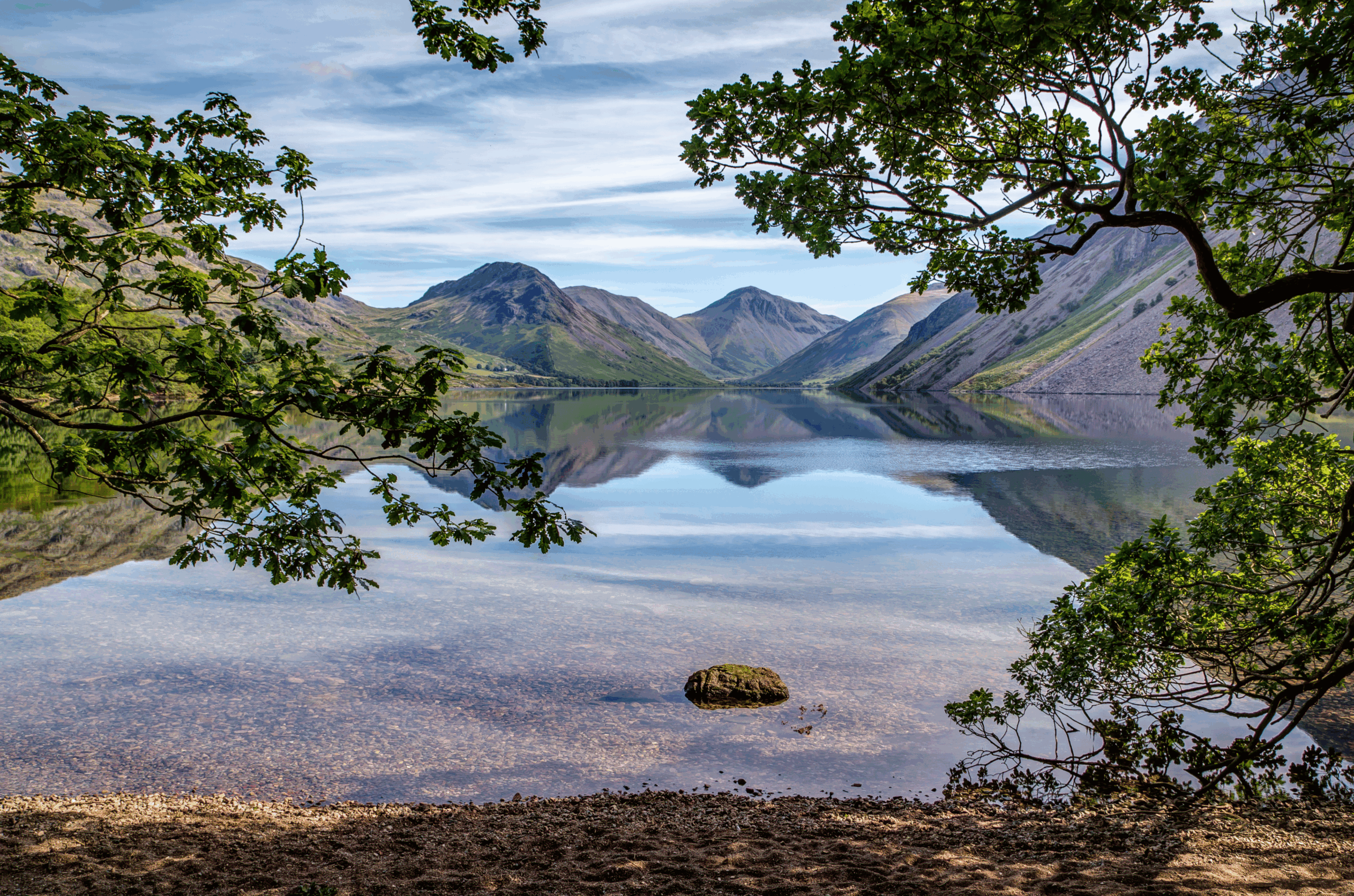
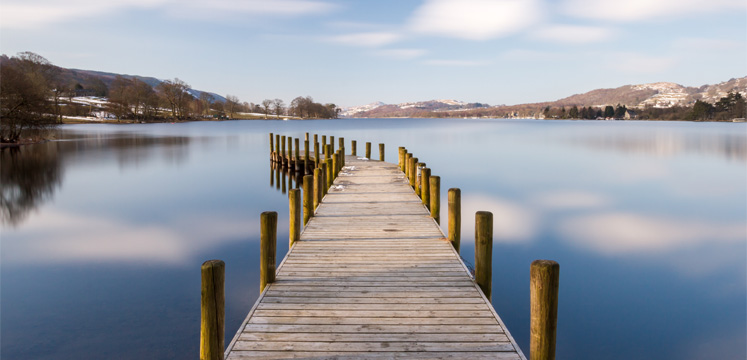
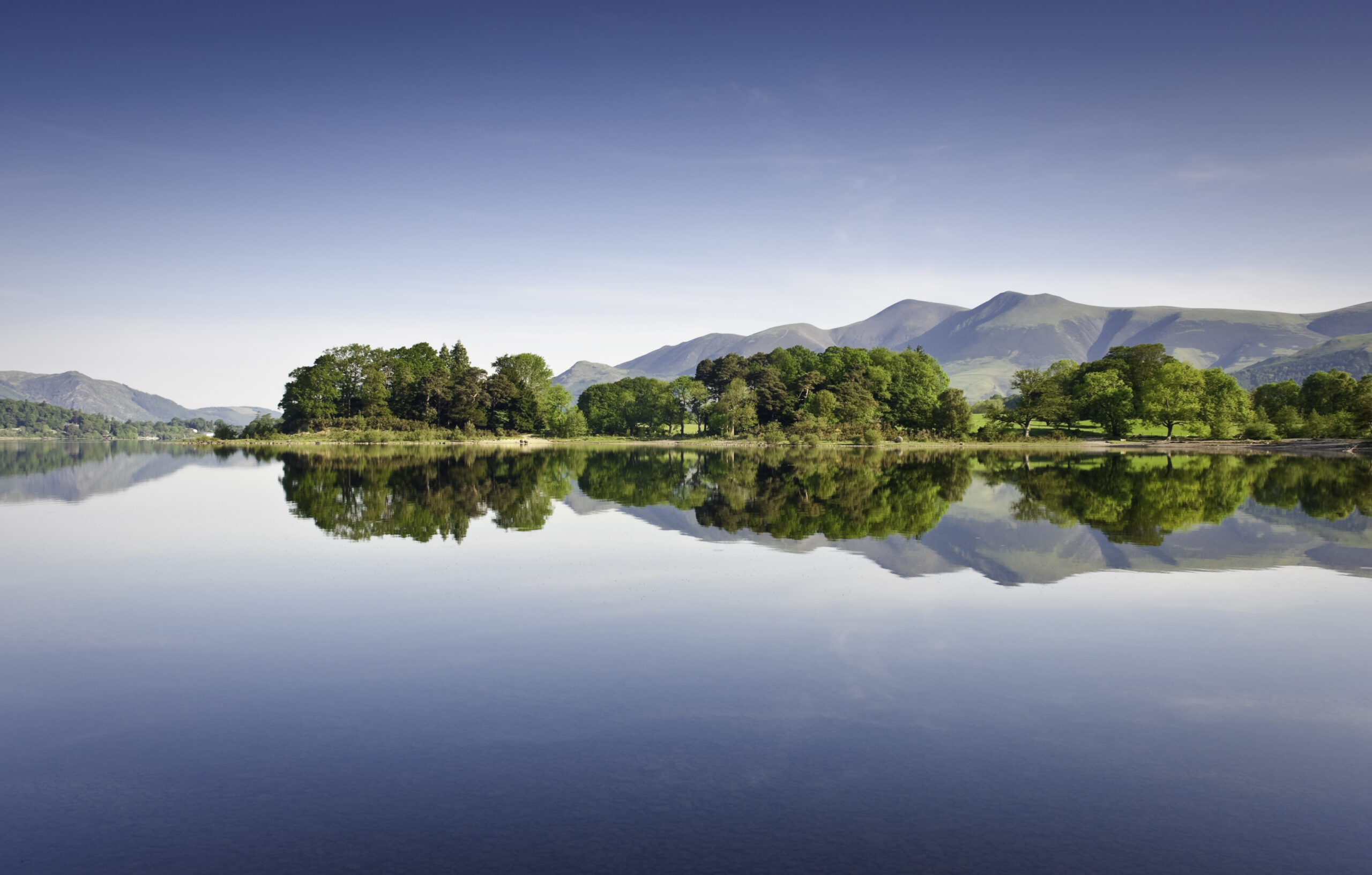
Quieter lakes best for swimming
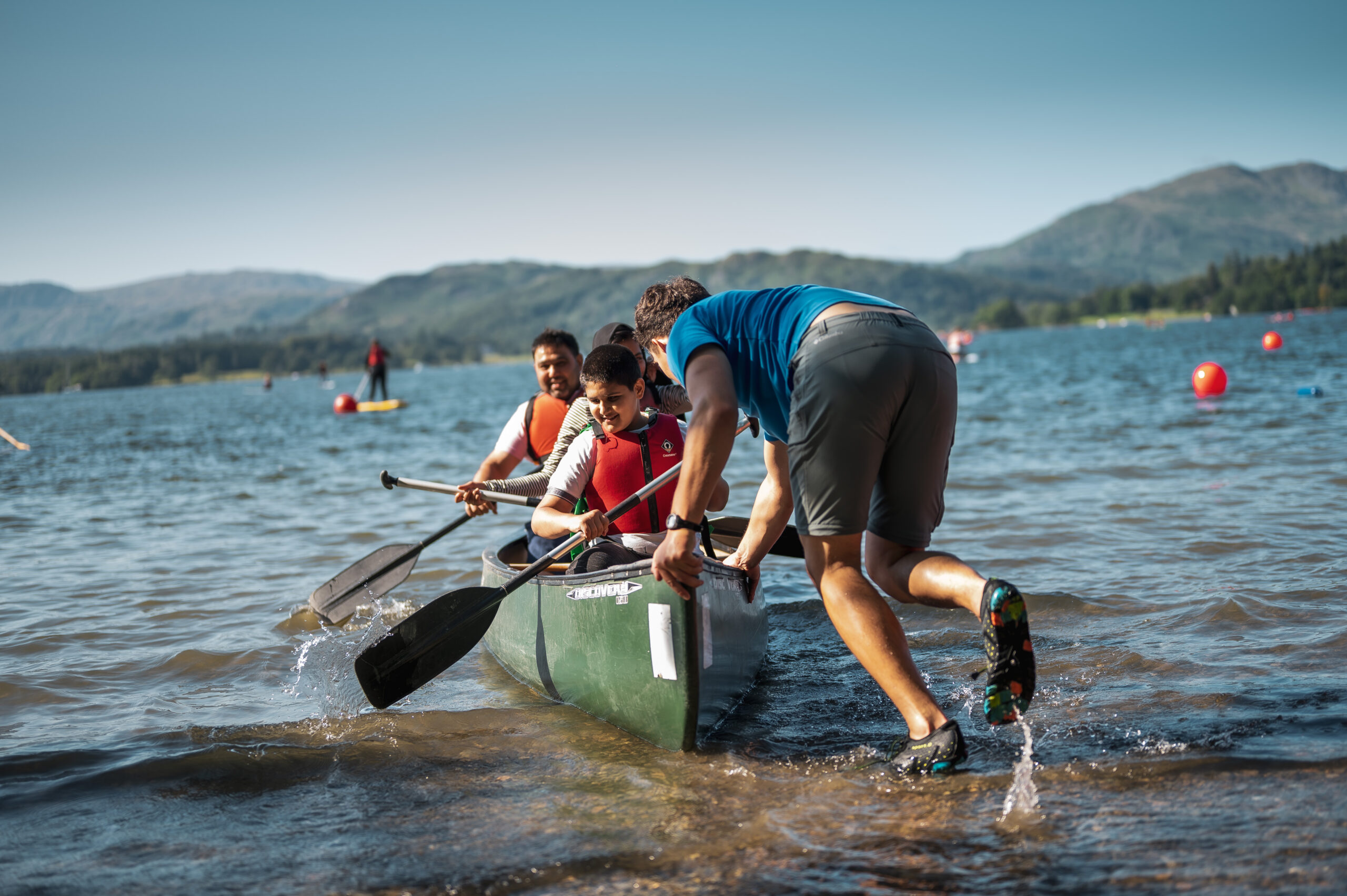
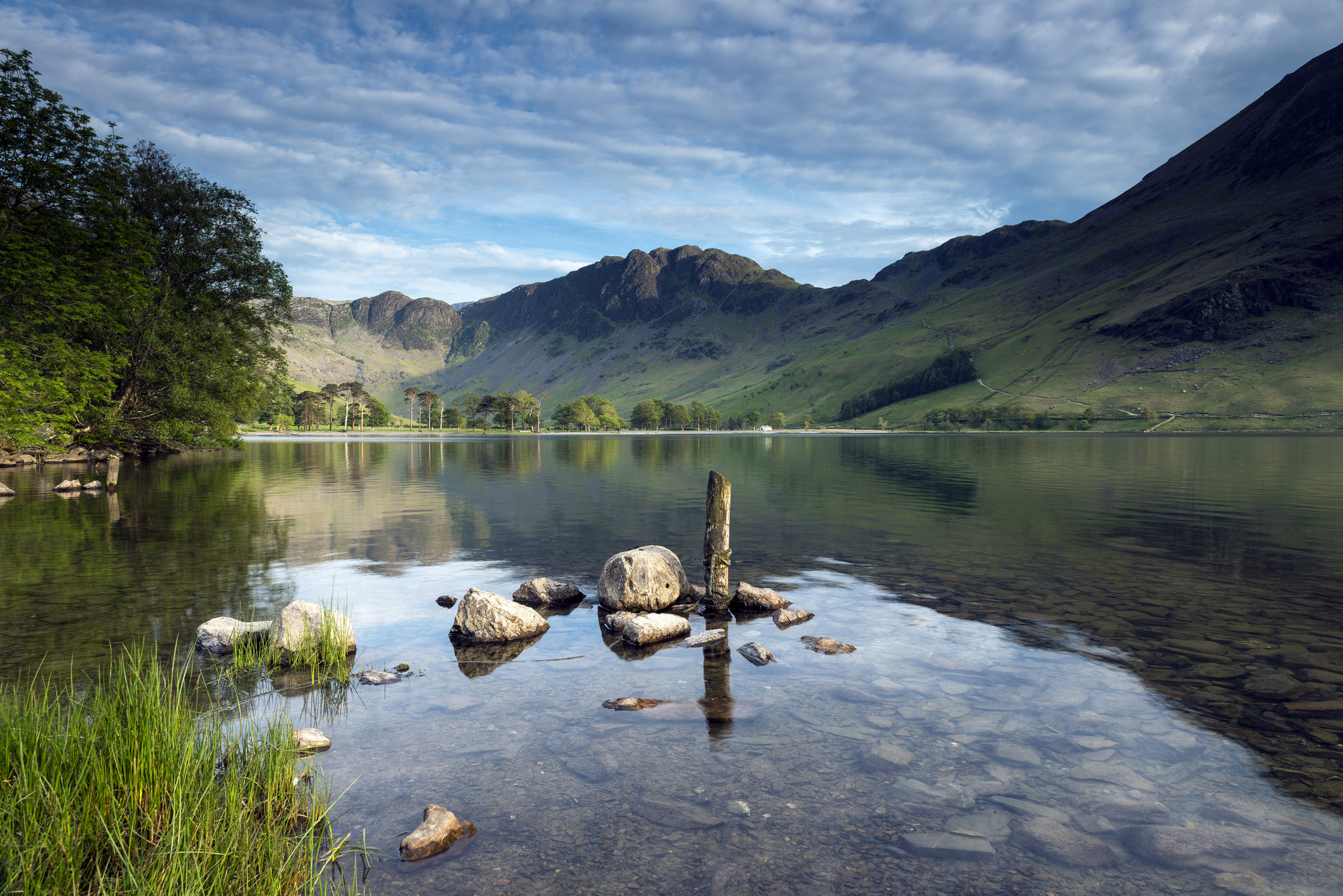
These lakes have few or no motorboats, but may have rowing boats, canoes and kayaks. There are lots of quiet tarns and rivers too, which can be great places for a dip. Just beware that tarns are generally cooler than lakes, and can be very cold even on a hot summer’s day!


Busier lakes
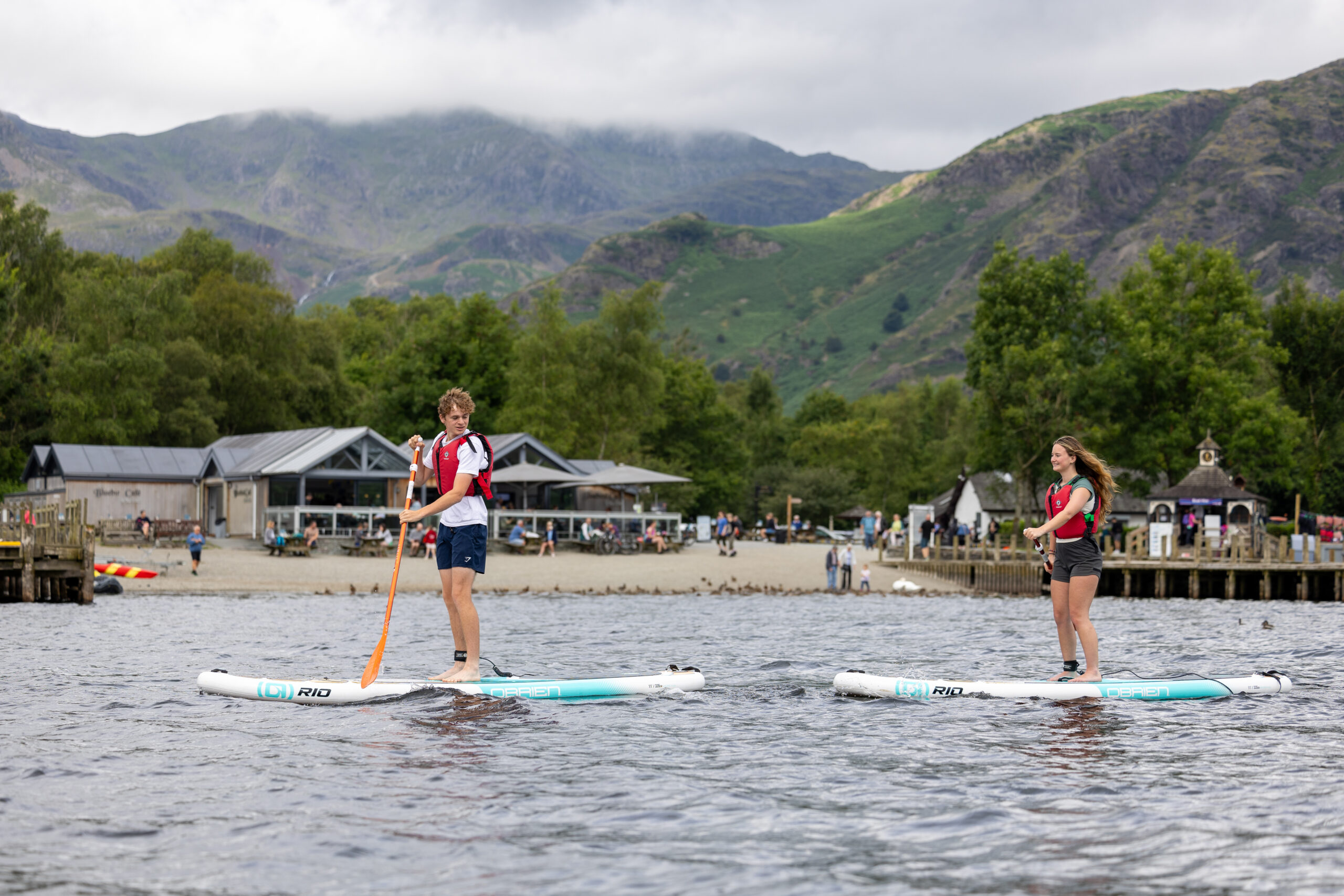
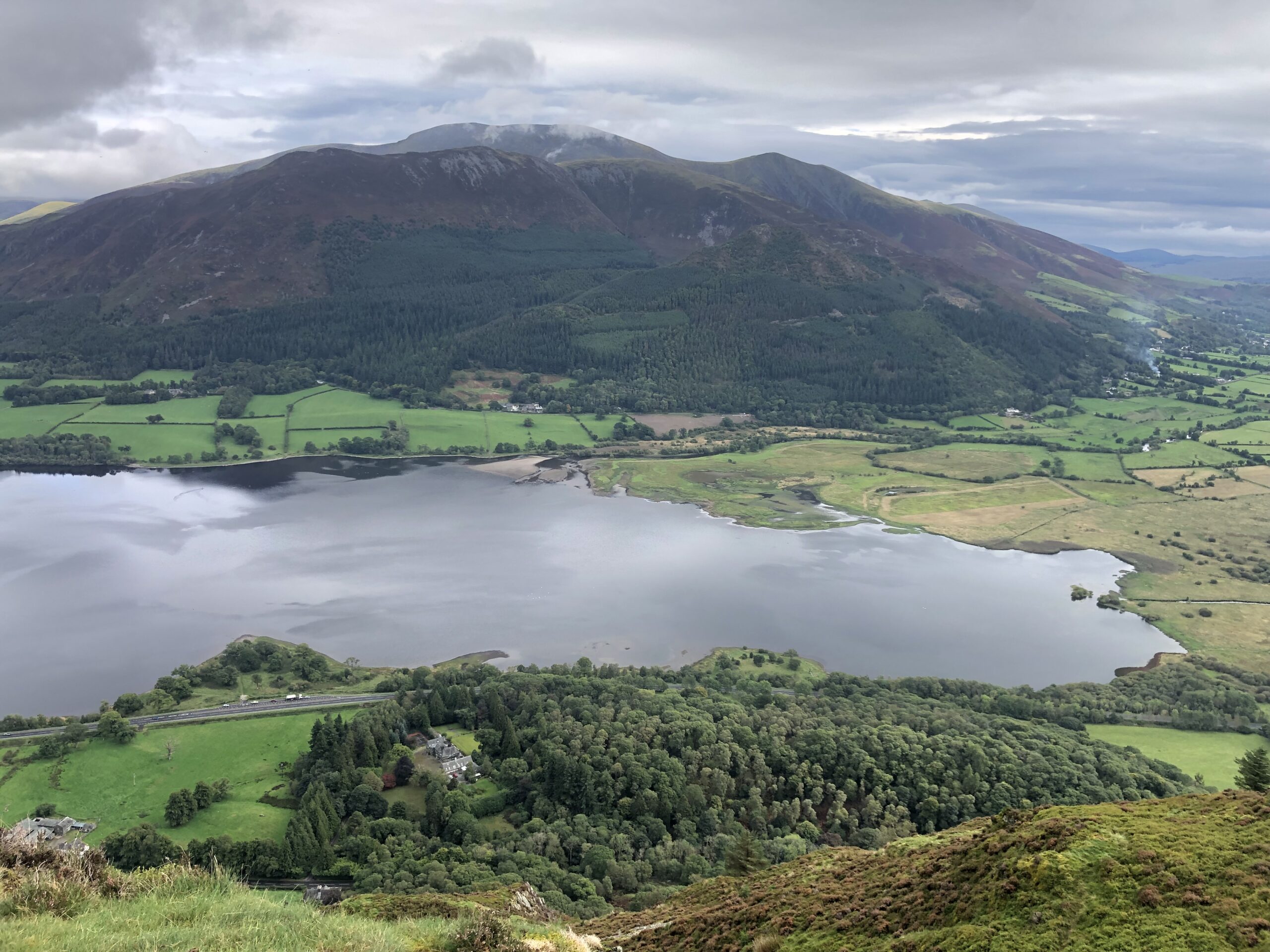
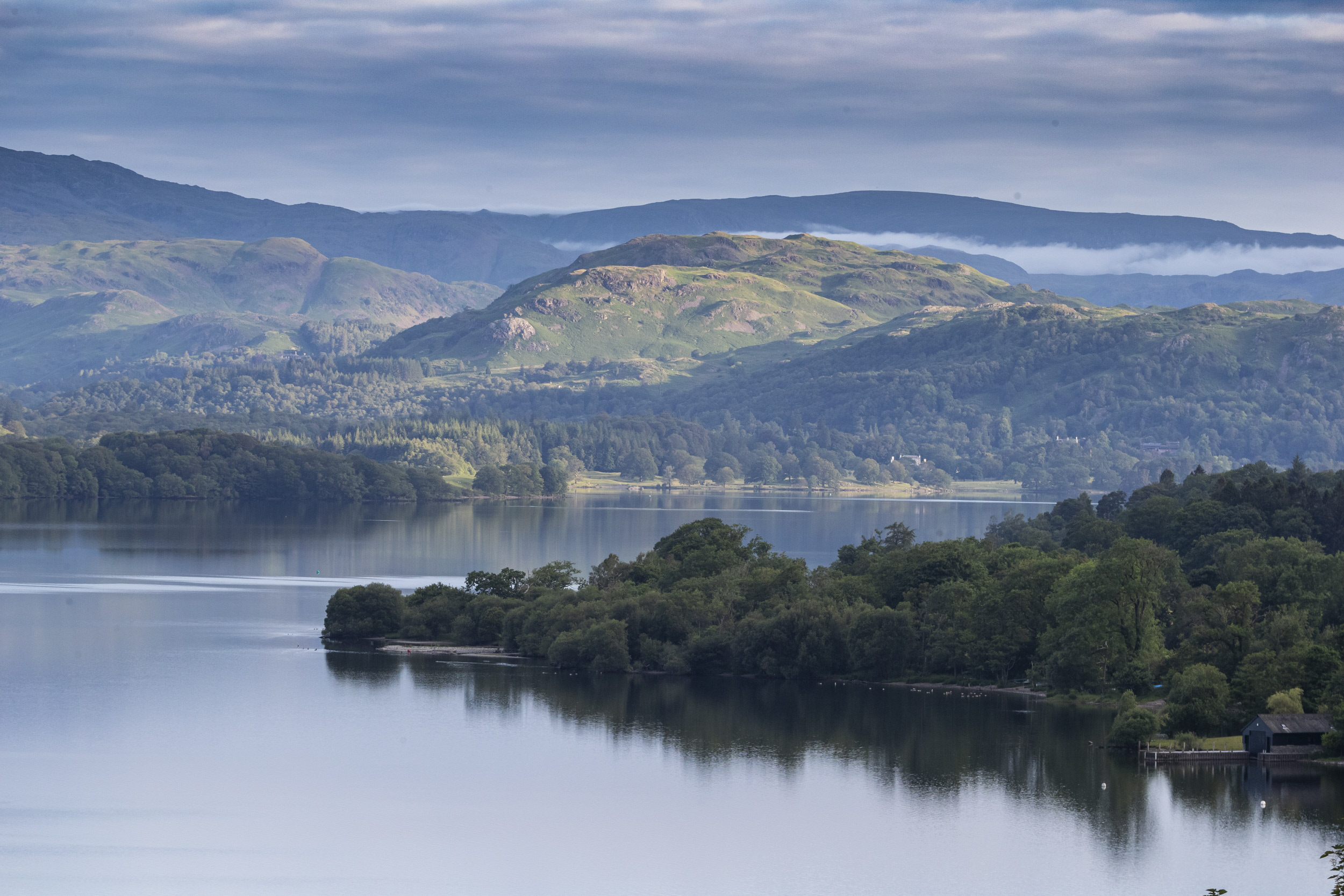
These lakes all have motorboats, sailing boats and other craft. In these busier lakes, we recommend picking a swim route along the shoreline, so you’re less likely to be in the path of boats and cruisers. It’s also important to make yourself as visible as possible. Wear a bright hat, have a tow float and use a support craft like a kayak or paddleboard, to keep safe and enjoy your swimming.

Swimming not allowed
Swimming is not allowed in Ennerdale Water, Haweswater reservoir, Thirlmere reservoir and Kentmere reservoir. Our lakes activities guide tells you what you can do in which lake.
Commercial swimming events
As a general guide, if there are more than 50 people in your group, seek advice from the landowner. Likewise, if you intend to bring any infrastructure, like a gazebo.
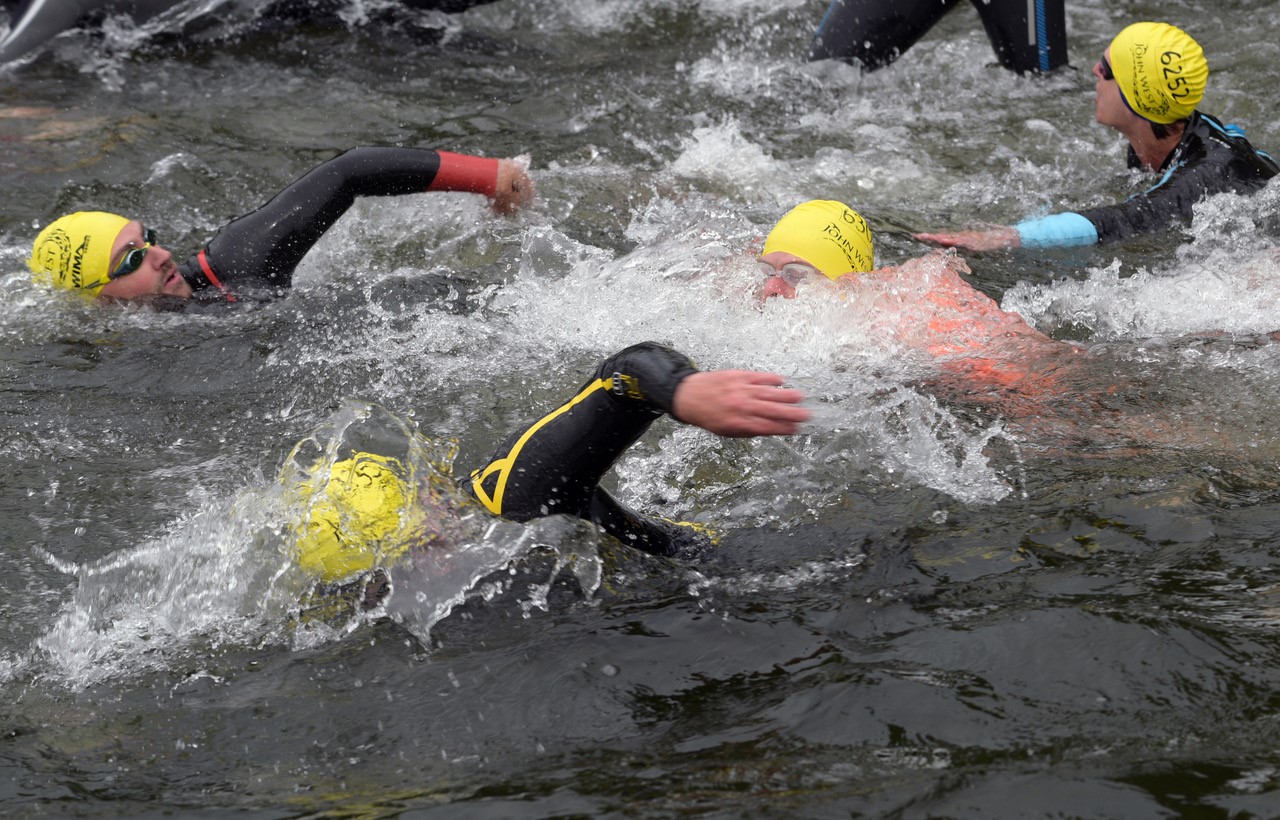
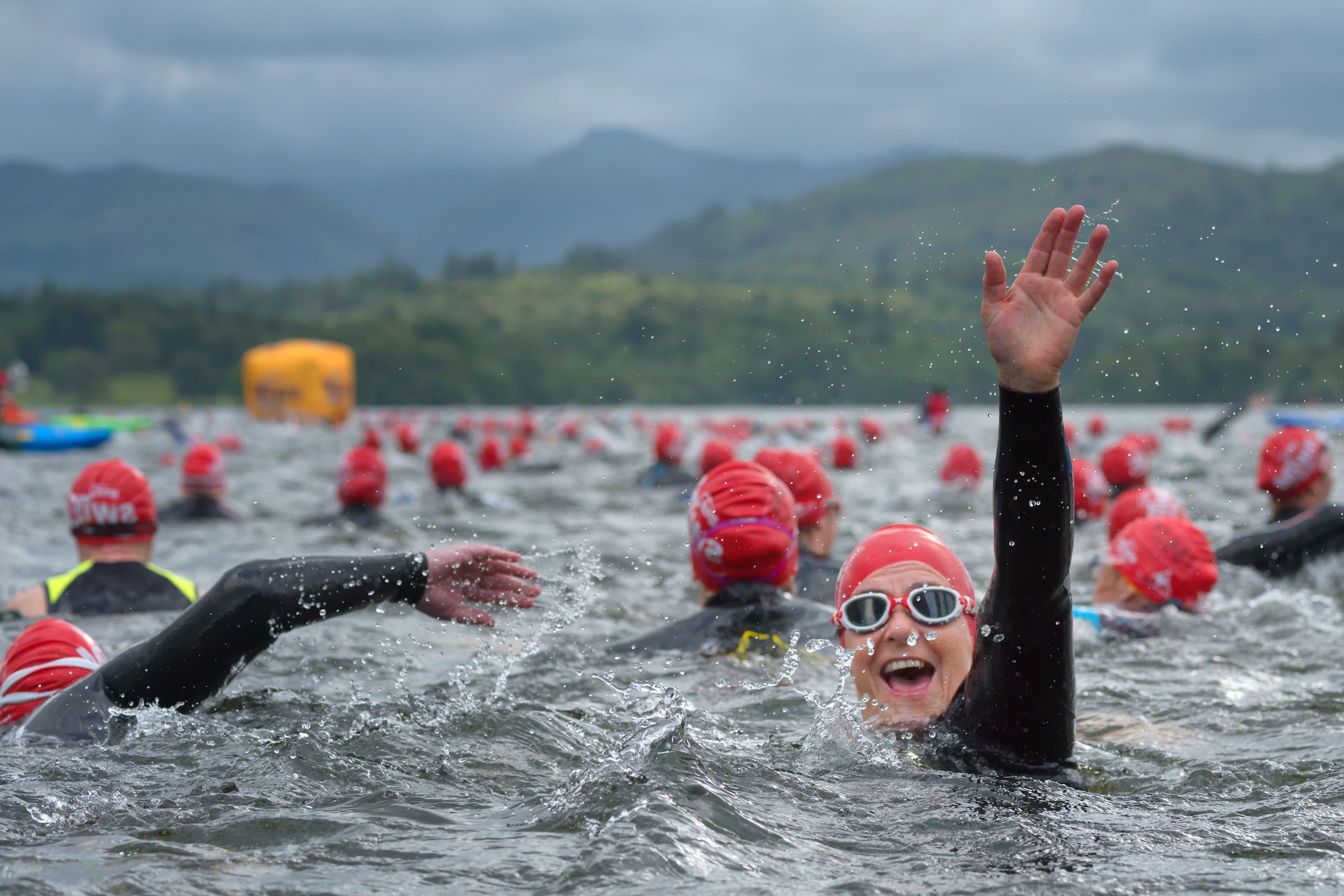
There are commercial swimming events across the Lake District, such as the Great North Swim in Windermere. If you are attending an event, please remember to consider sustainable transport options and remember to be #LakeDistrictKind.
Swimming safely – the Swim Safe Code
On this section you’ll find information about swimming safely in lakes, rivers and tarns. Discover the swim safe code and some video guides on how to be seen in the water. You can also learn about cold water shock and how to prevent it.
1. Be seen in the water and have support
Never swim alone
Don’t swim after drinking or taking drugs
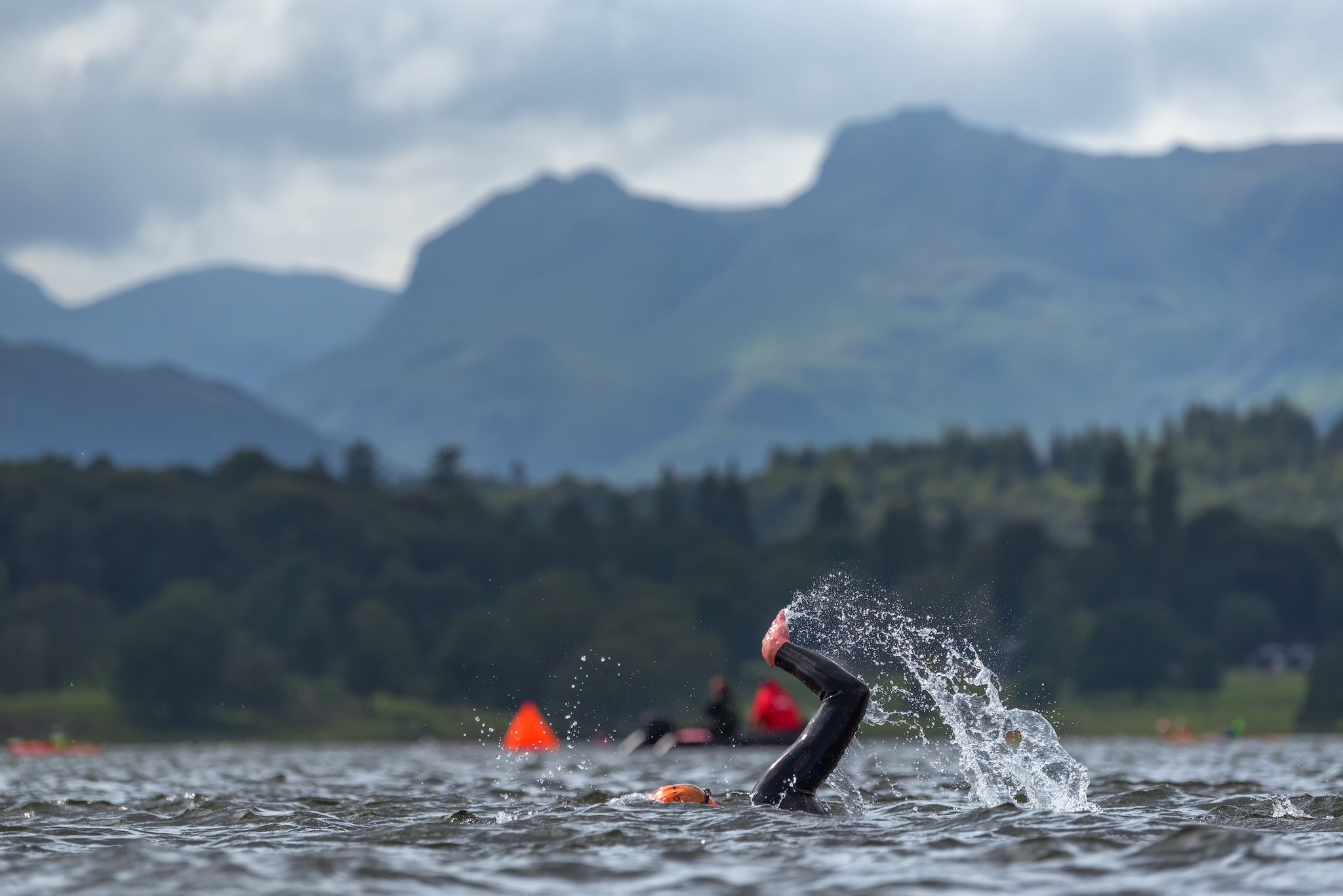
Wear a bright swim cap and tow a bright float
Swimmers may be able to see boaters but boaters may not be able to see swimmers!
Have a safety boat, such as a kayak or paddleboard and ideally display a white-blue Alpha flag
2. Be water wise in open water
The deep lakes and tarns in the Lake District can be cold, even on a hot summer’s day. Exposure to cool water can cause cold water shock and could lead to hypothermia, the early signs include struggling to move your hands, which can make swimming more difficult than normal. There can be rocks and hazards under the water that you can’t see, and the water may be shallower than you think near jetties.
Enter the water slowly to get used to it
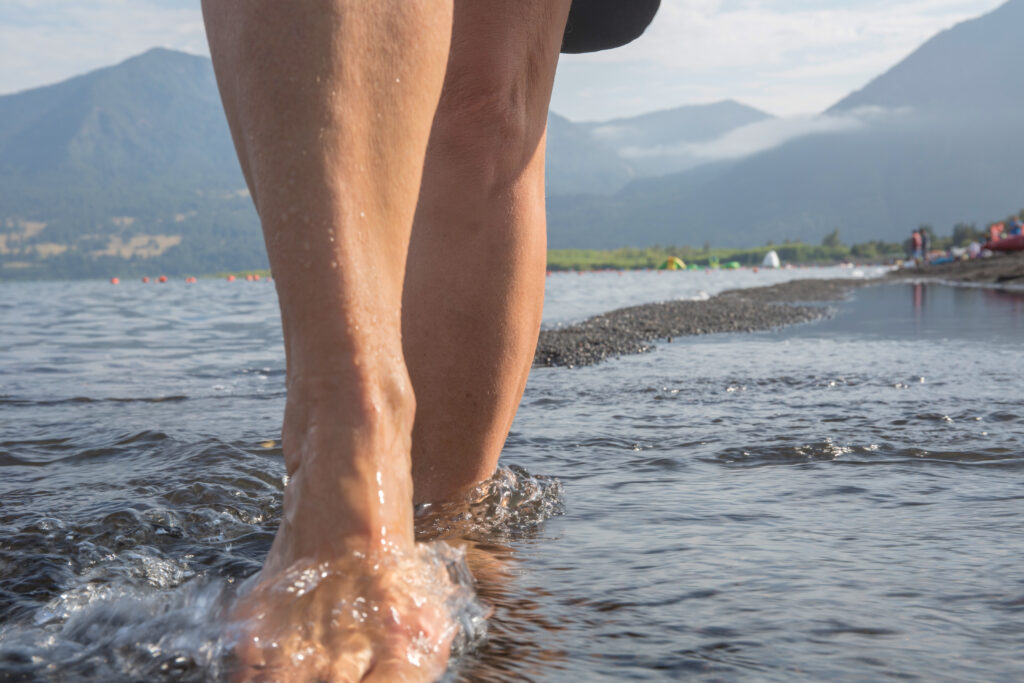
Check the depth of water bed by walking in slowly
Work out where you will exit the water easily
Don’t stay in too long if you are not used to cold water
Wear a wetsuit to keep you warmer and more buoyant
Swim along the shoreline so you can get out easily if you need to
Have lots of layers, a hat, warm drink for when you get out, even in summer
Don’t swim alone
3. Look out for blue-green algae
Blue-green algae occurs naturally in fresh water lakes, and is more likely during periods of warm, dry weather. While it can pose a small risk to human health, it can be lethal for dogs if they come into contact with it.
If you suspect the water has algae, do not swim.
Report any potential sightings of blue-green algae using the Bloomin Algae app.

4. Be mindful of other water users
Choose one of the quieter lakes that don’t allow boats
Avoid mooring areas, marinas, jetties used by boats, ferry routes, boating channels
Be aware boaters may be in any area of the lake at any time of day or night
Only swim when weather conditions are suitable – remember they can change quickly
5. Cold water shock
Our lakes, tarns and rivers can be very cold, even on the hottest days. Exposure to cold water can rapidly lead to cold water shock so it’s important to know how to avoid this, or what to do in instances of cold water shock.
Don’t swim alone – have support on hand so that you can call for help if needed
Take a personal flotation device with you – floating can help you to catch your breath if you experience shock
Check conditions before heading into the water and enter slowly, making sure you’re aware of your surroundings
Consider wearing a wetsuit which will keep you warm in cold water
Floating could save your life