

Rocks
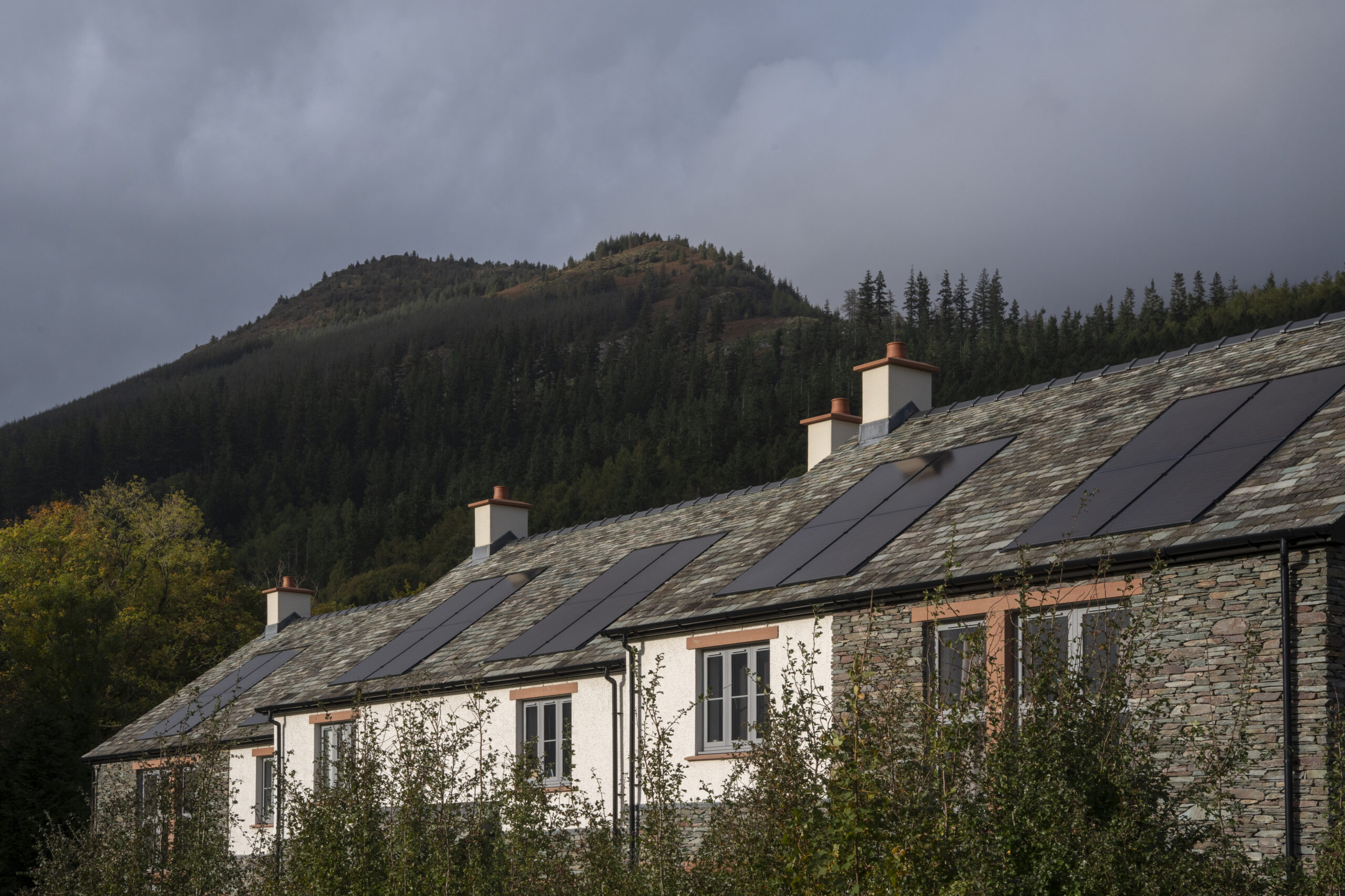
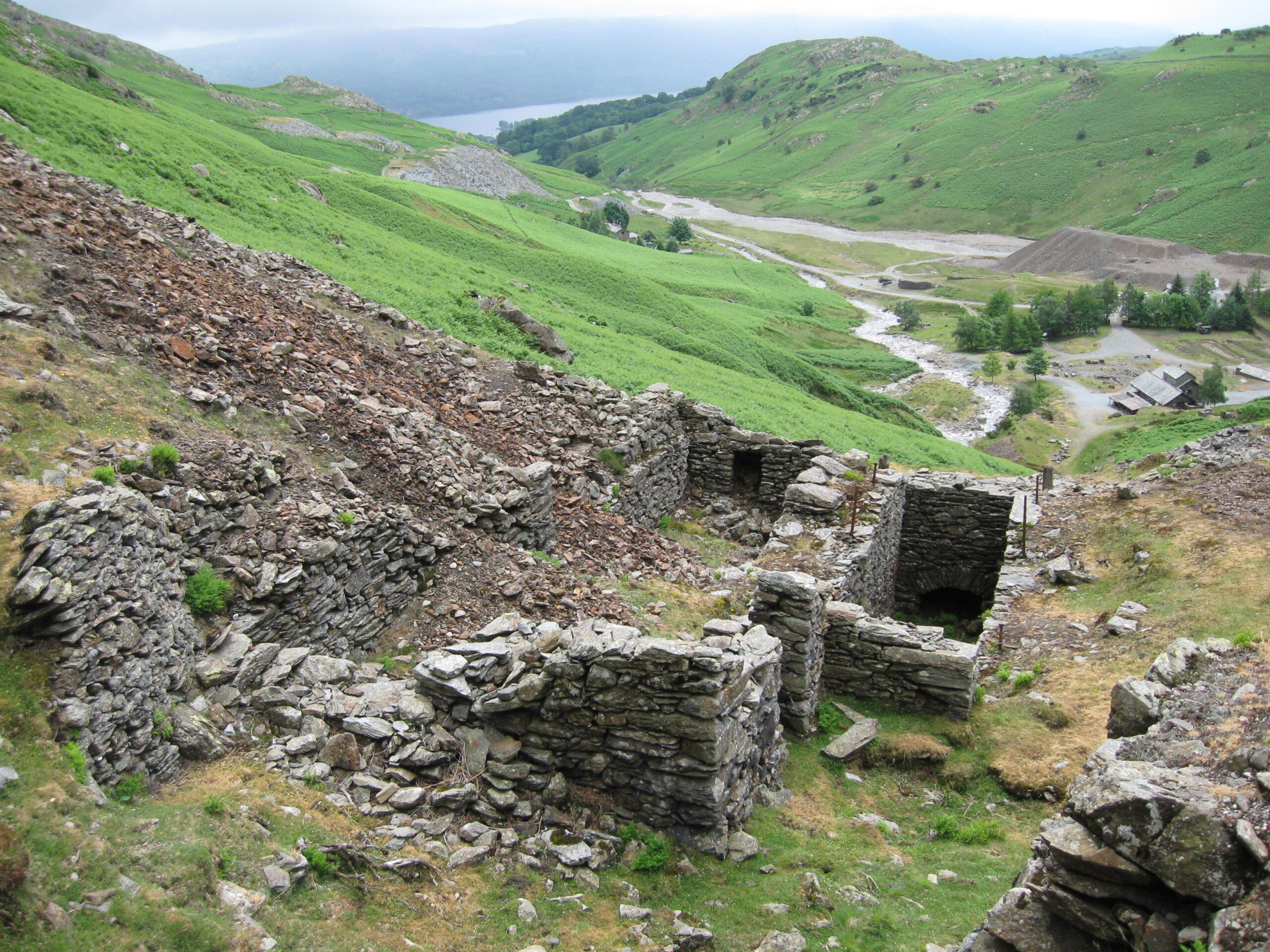
There are many types of rock in the Lake District including slate, granite, sandstone and limestone, which were quarried for building purposes. Minerals such as copper, lead, zinc, iron ore, barytes, graphite, tungsten, arsenic and diatomite have also been mined in the last 400 years.
Did you know?
The remains of the earliest railway in Britain are in a mine on the Caldbeck fells.
Woodlands
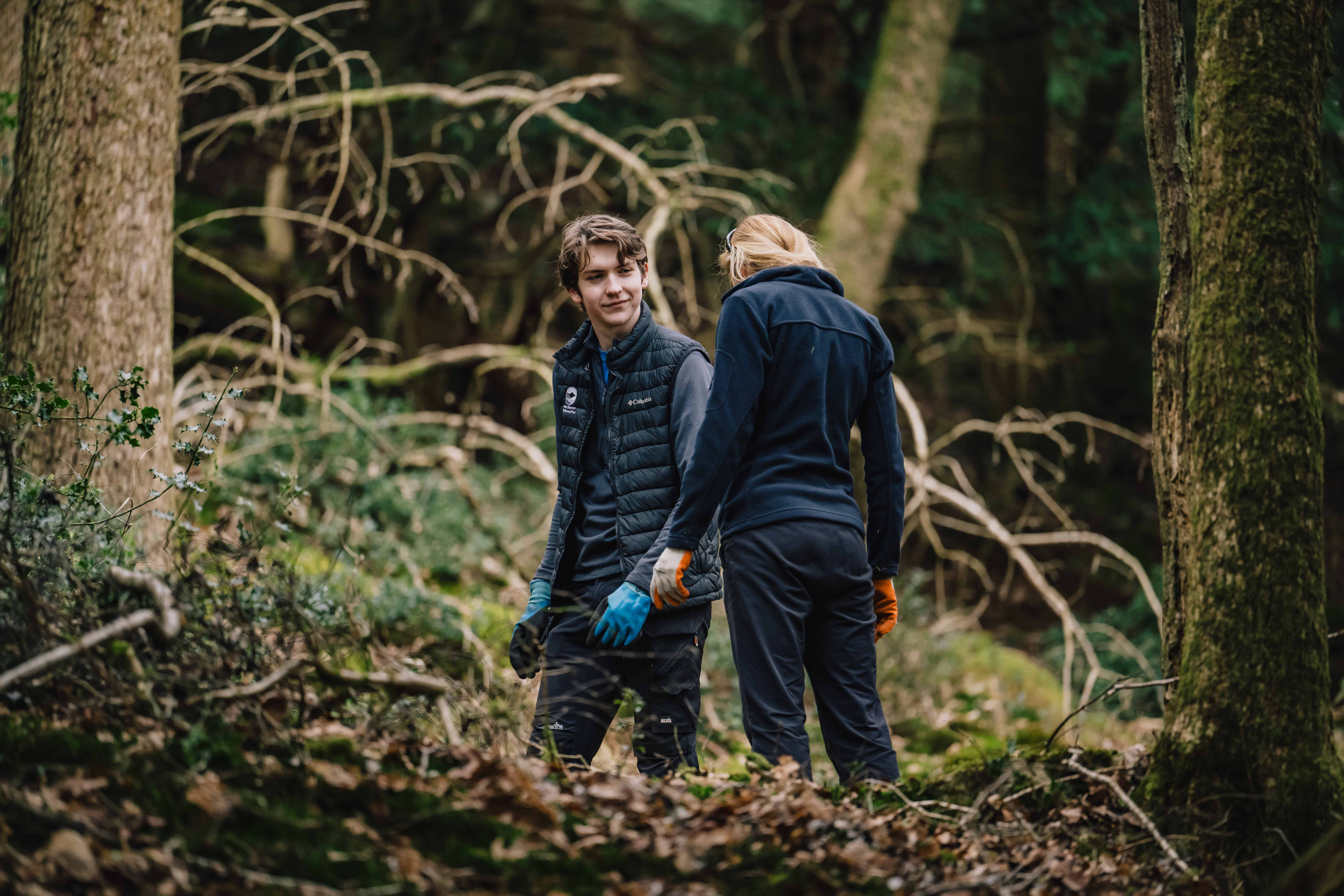
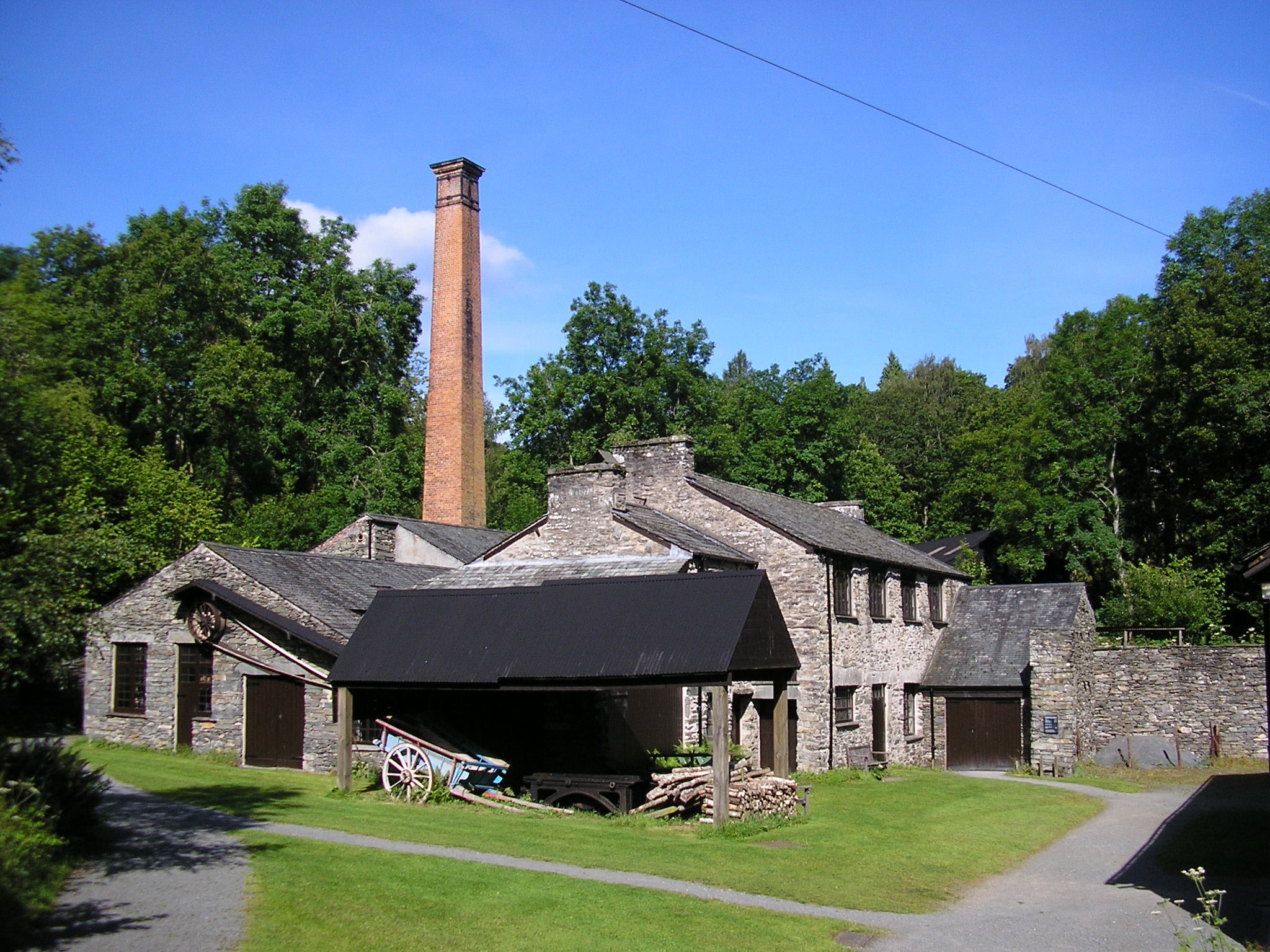
People have managed the Lake District woodlands for a very long time. Timber was very important for early industries as it could be turned into charcoal and used for smelting metal ores. To ensure a constant supply, people created sustainable woodlands by coppicing – cutting young tree stems to quicken and encourage growth.
Water
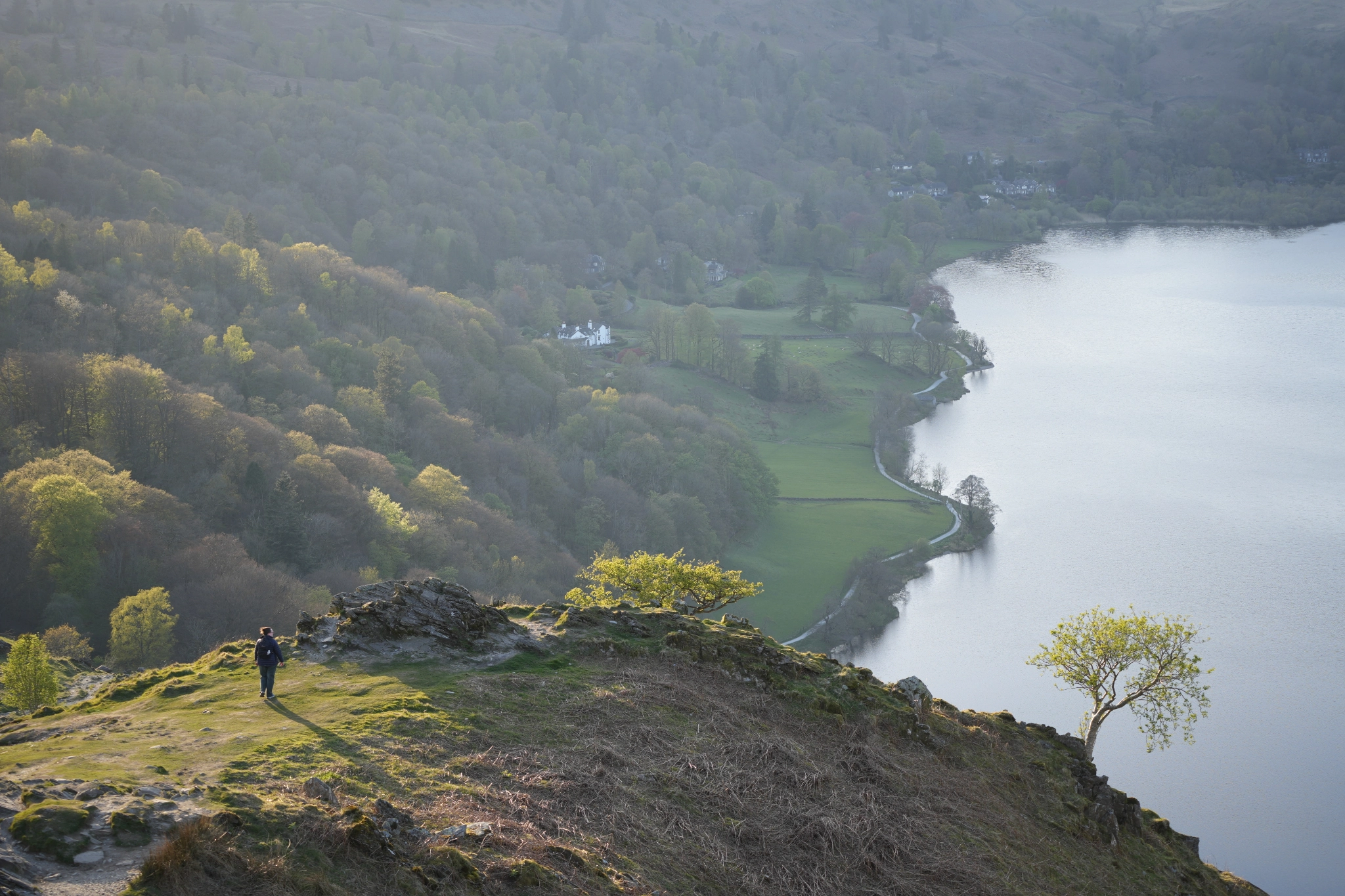
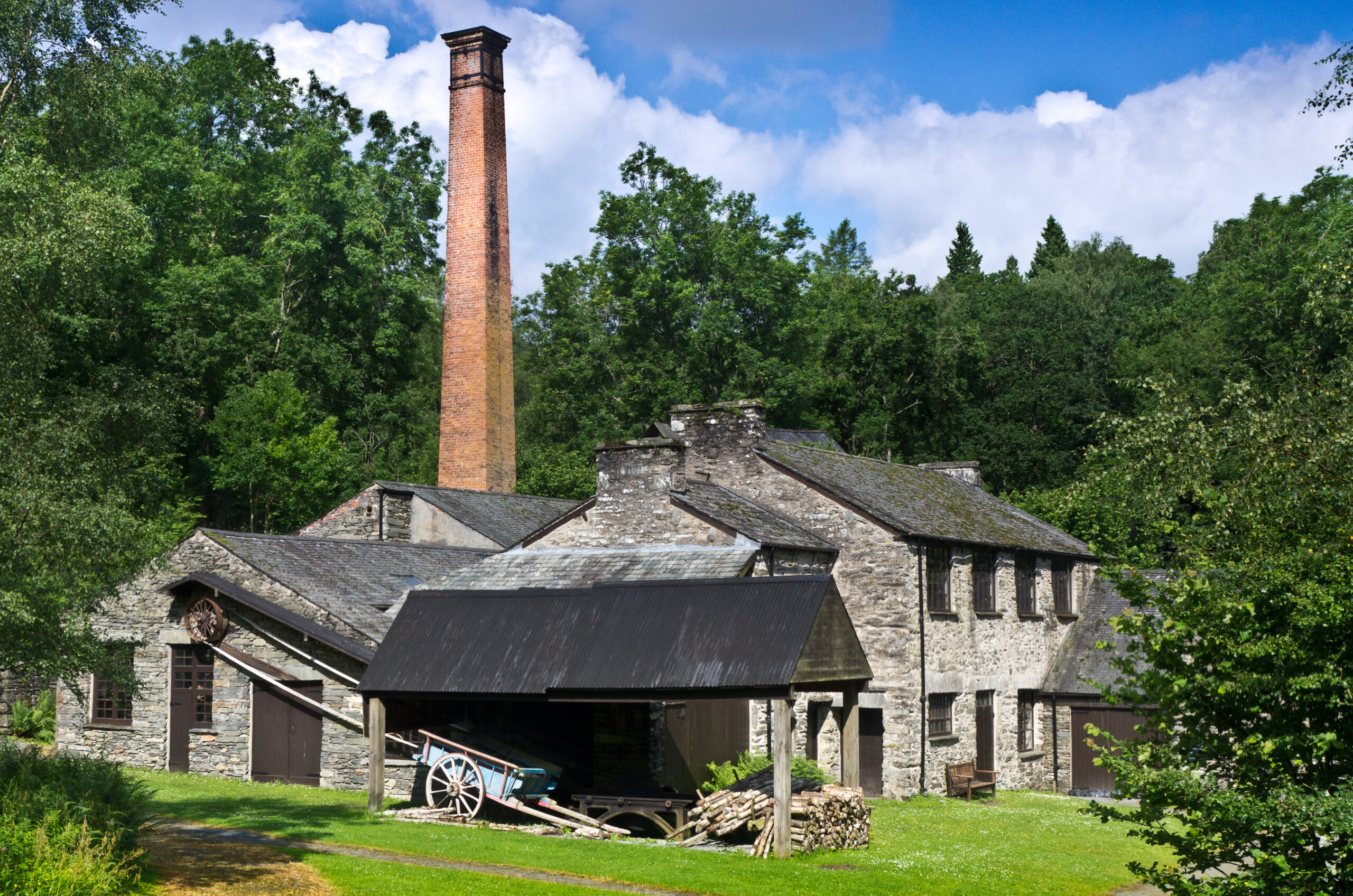
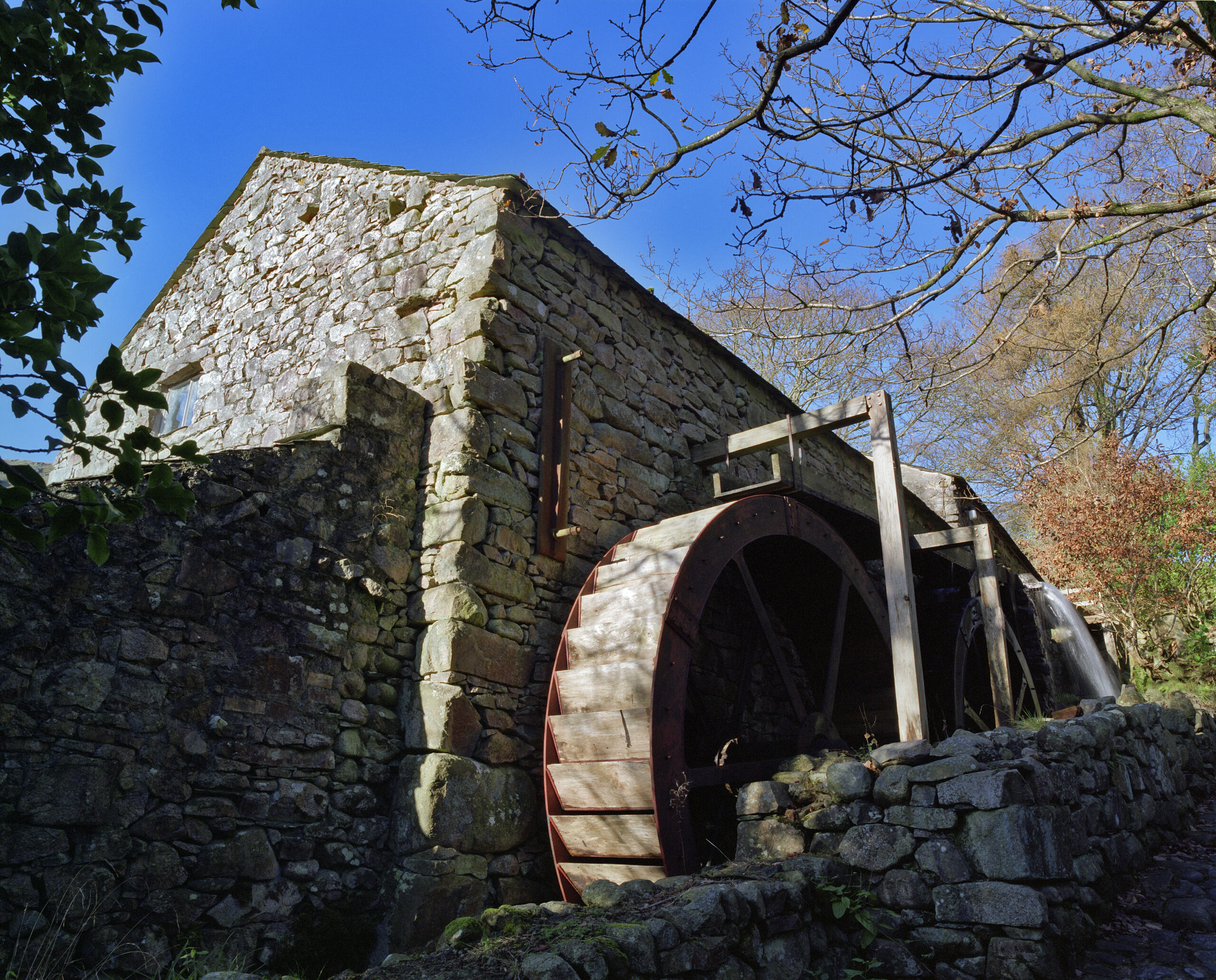
Water was readily available in the Lake District from the lakes, rivers and becks. This was ideal for corn mills and fulling mills – where wool was washed and processed into woollen cloth. Later, mills were used for other industries including cotton, paper and flax, tanning, brewing, pencil making, iron manufacture, gunpowder, bobbin turning and sawmilling.