
Invaders and settlers
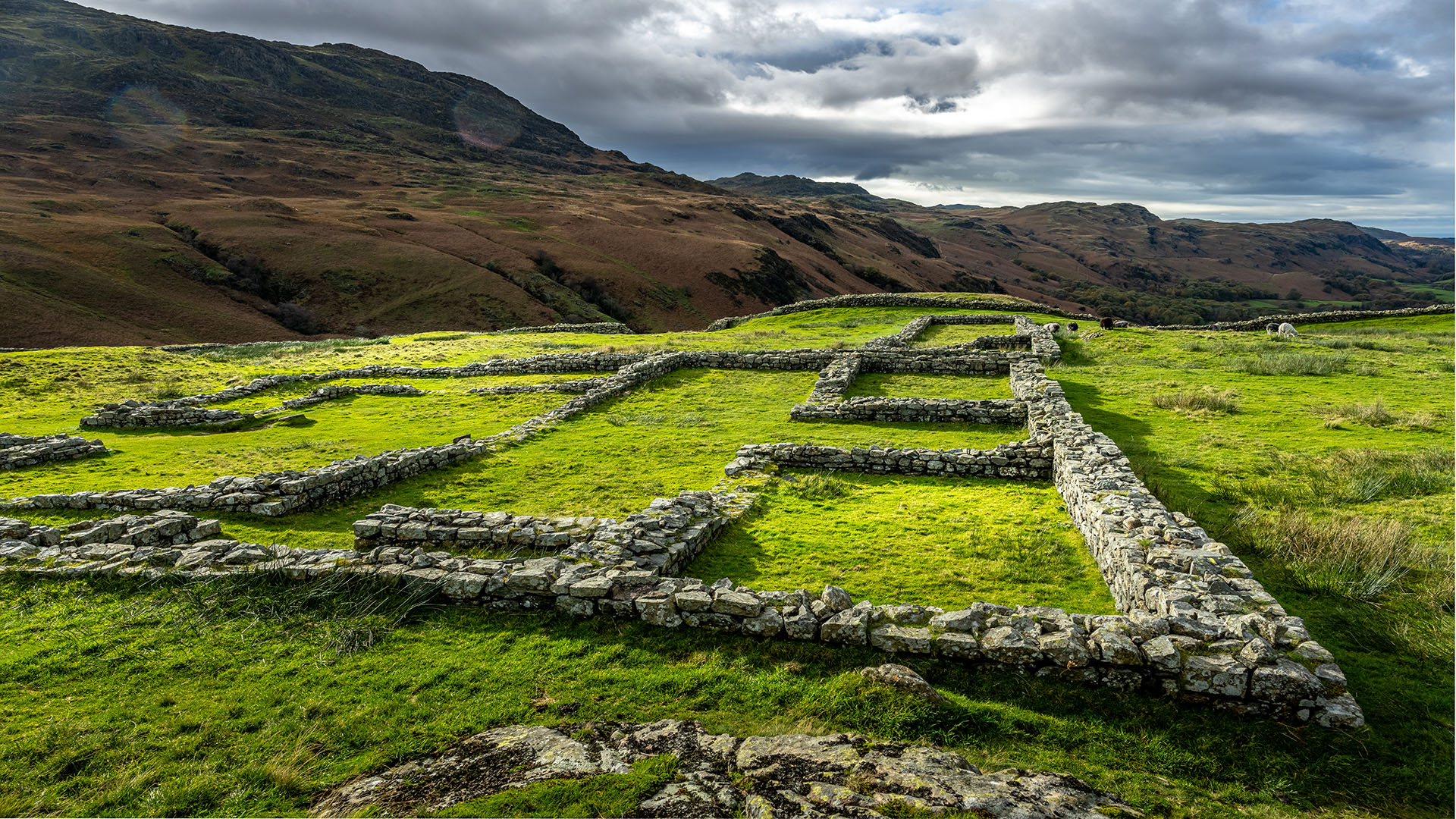
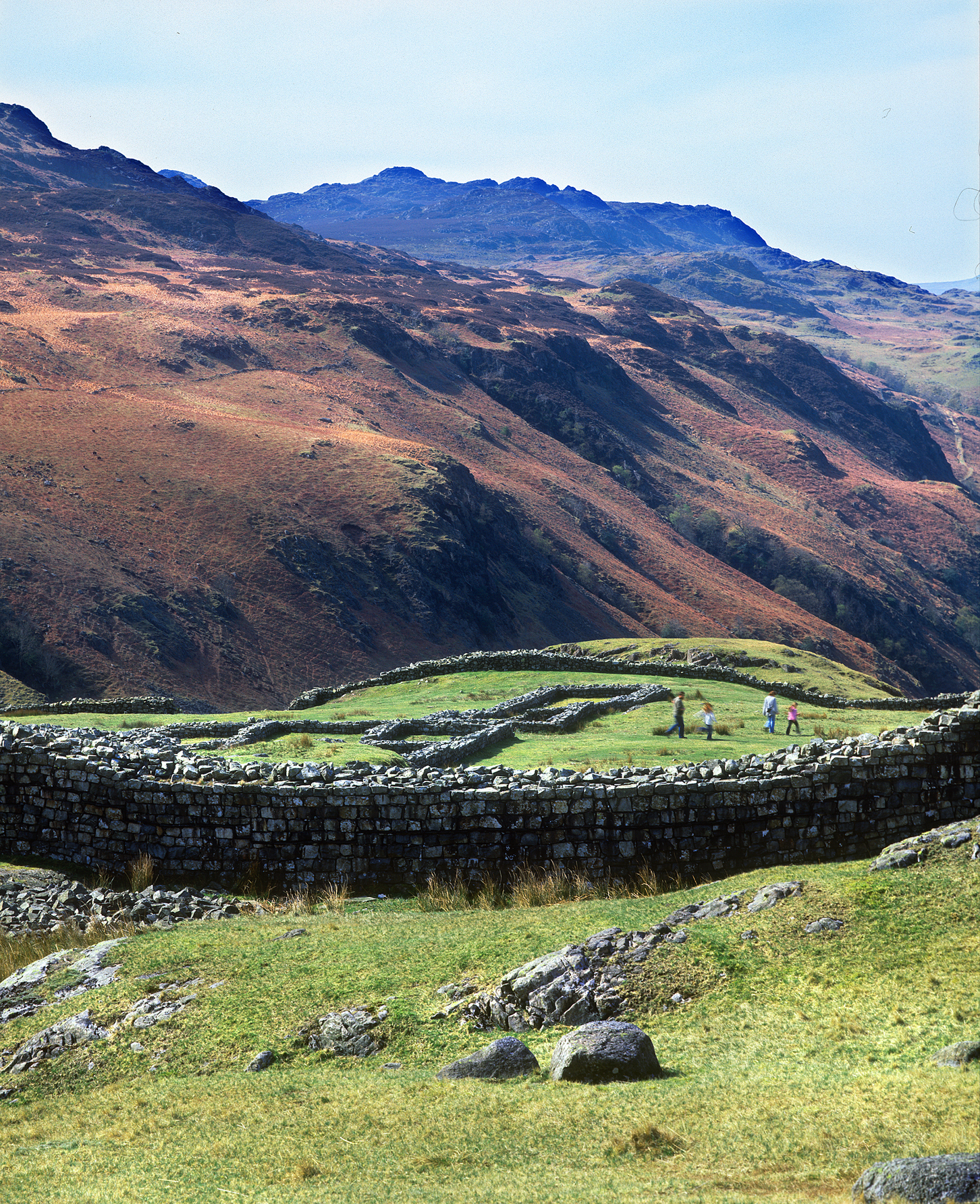
By 100 AD the Romans had reached the Lake District. In southern England the Romans built roads, elaborate villas and settlements. The north, including the Lake District, was at the frontier of the Roman Empire, so needed military bases. Here the Roman soldiers built roads, forts and temporary camps to protect the borders and supply routes.
Little visible evidence survives from the post-Roman period after 400 AD. This may be because it is buried beneath present day villages. But pollen grains found in lake sediments tell us there was a new phase of tree clearance and farming in the late sixth and seventh centuries.
Norse roots
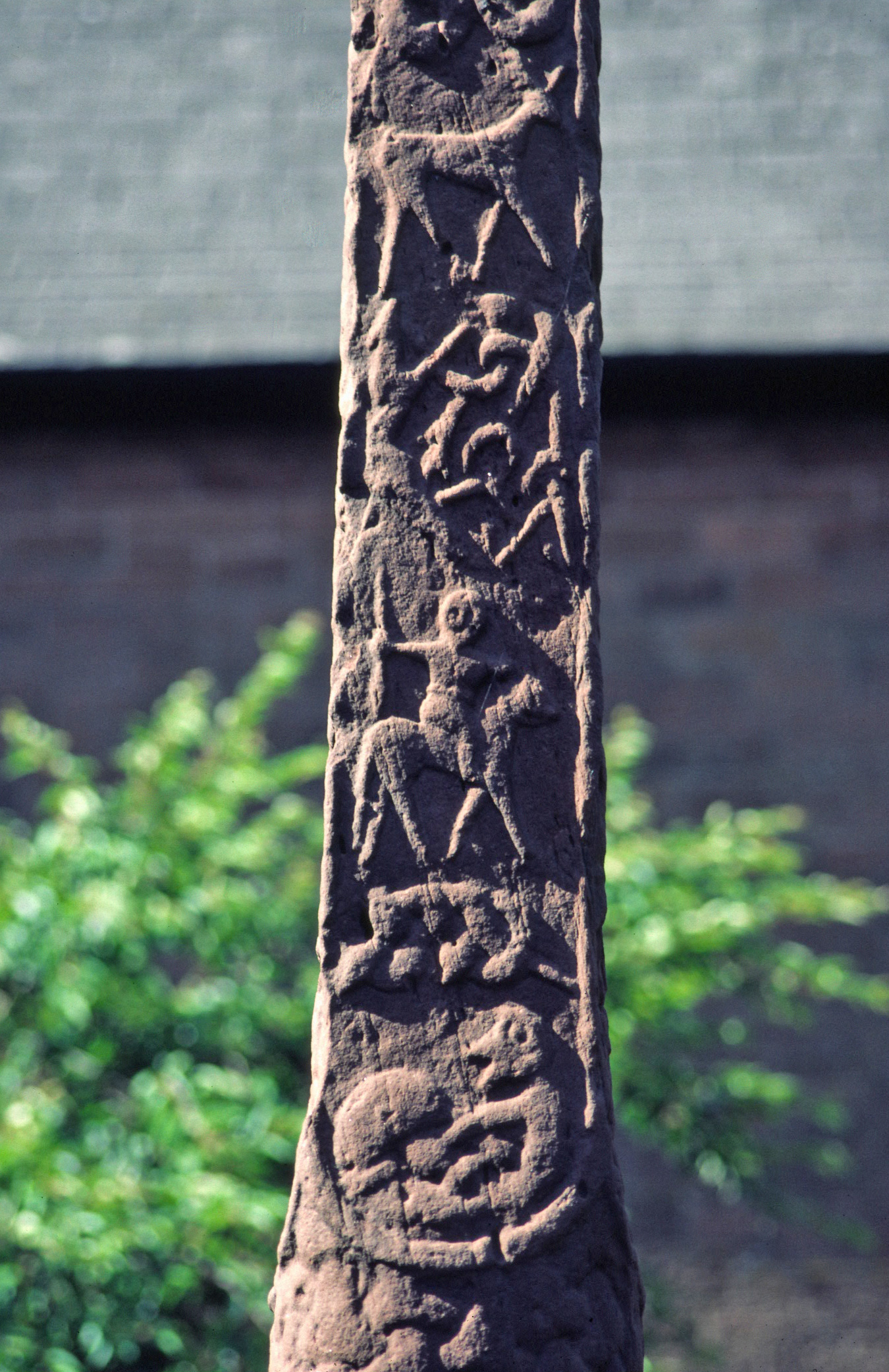
It is not until the tenth century that we again find physical evidence for people in the landscape. Norse people who had originally settled in Ireland came to the Lake District to escape political turmoil. They constructed monuments like crosses and earthworks marking significant places.
Did you know you can sometimes tell where Norse people lived because of local place names. Names ending in –by such as Ireby mean village. Those ending in –thwaite, like Satterthwaite, mean clearing. Other words with a Norse origin are:
- beck which means stream
- dale which means valley
- fell which means hill or mountain
- gill which means ravine