
Theme 1
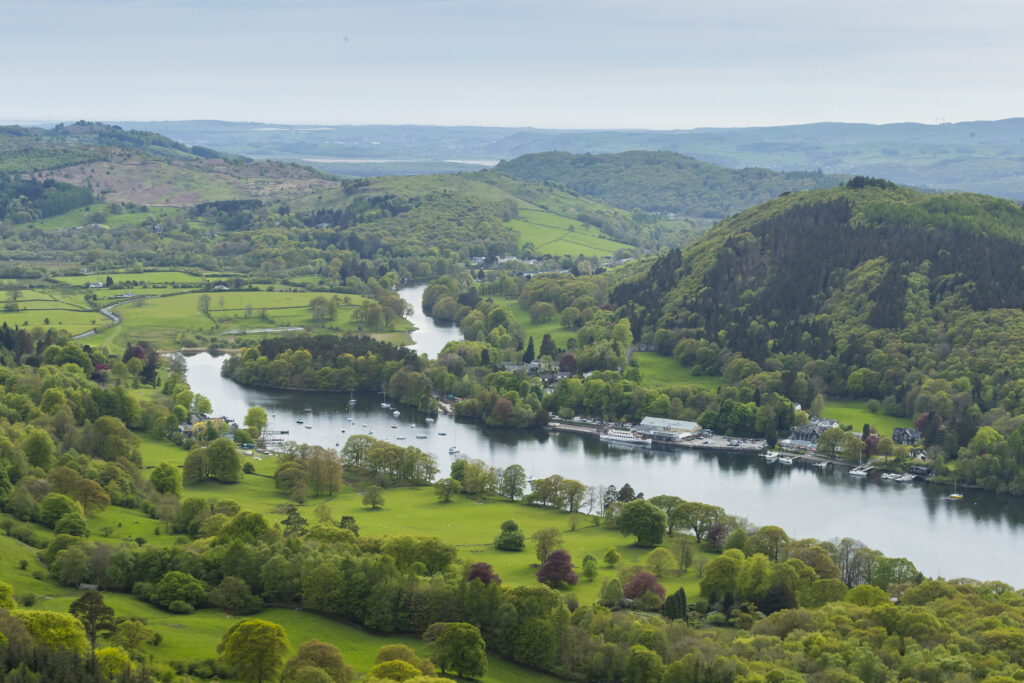
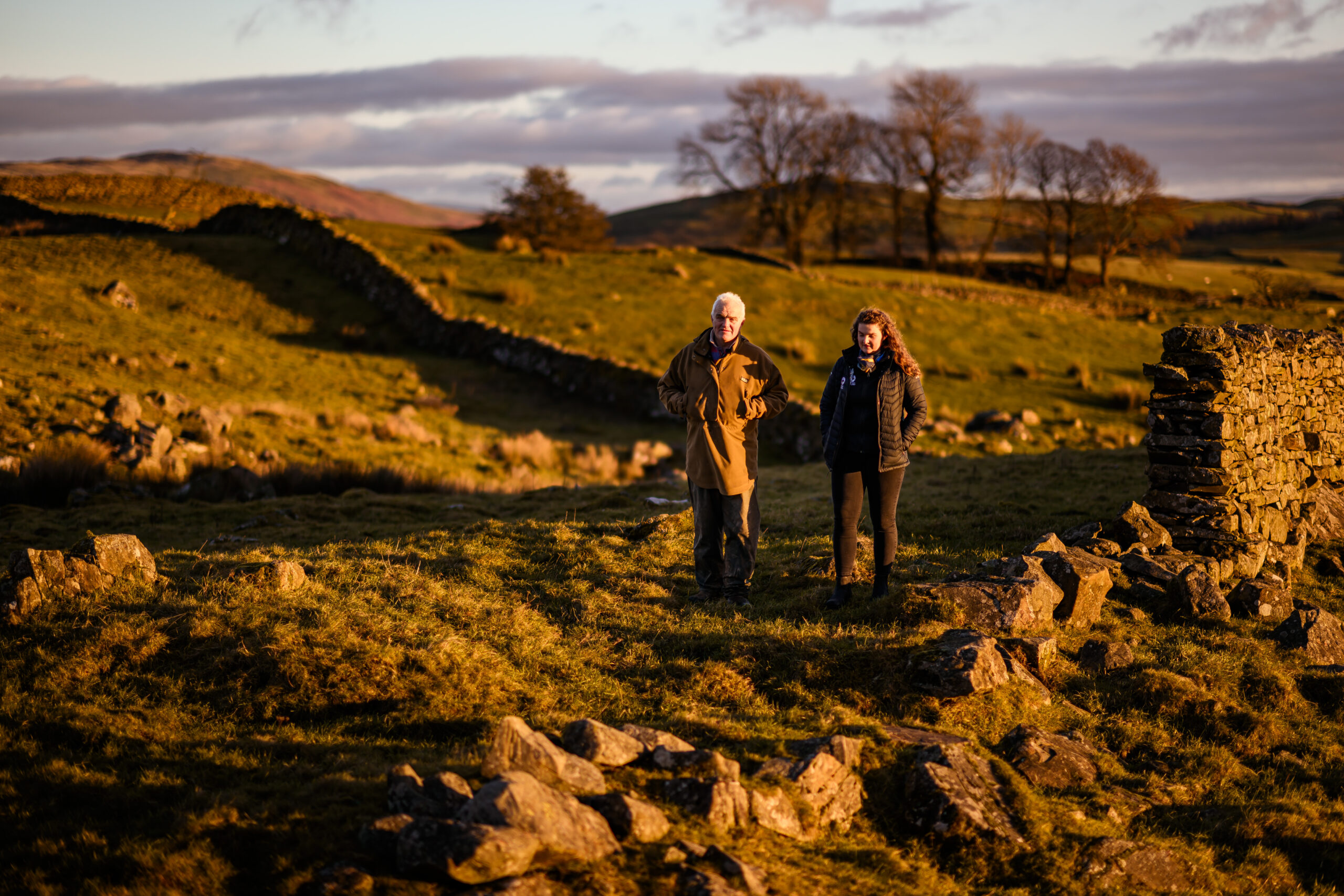
A landscape of exceptional beauty, shaped by persistent and distinctive agro pastoral and local industry which gives it special character.
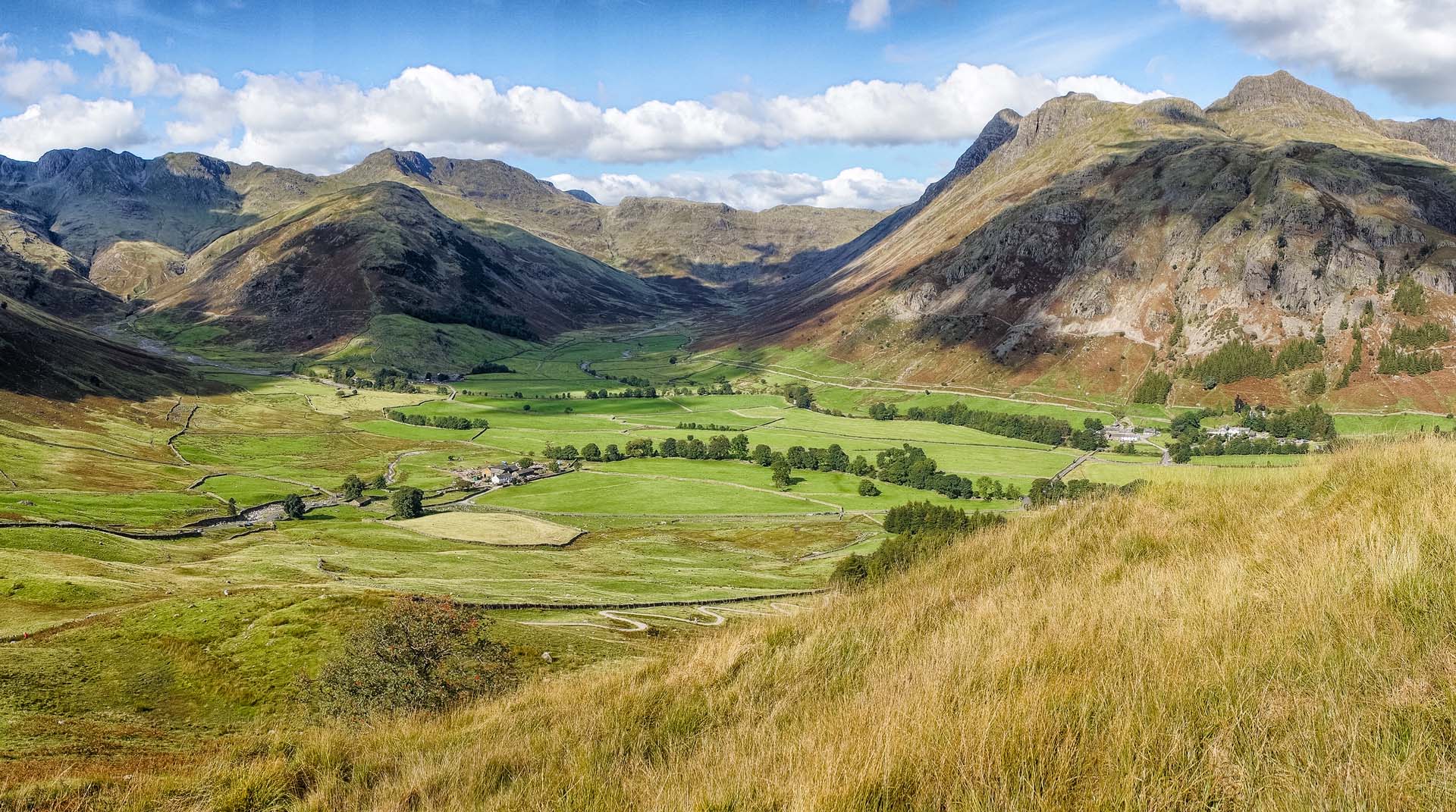
- The physical natural landscape of mountains, rivers, lakes, and valleys.
- The physical cultural landscape in the main the product of agro-pastoralism, settlements and local industry, including woodlands.
- The variety and combination of differing landscape characters and physical attributes of each of the 13 valleys.
- Evidence, intactness, and legibility of settlements and the agro pastoral character and function of the field systems and their waterways.
- Farmsteads and Farmhouses.
- Shepherds meets/shows and traditional sports.
- The unique practices of the agro-pastoral farming system.
- The surviving physical and social elements of hill farming e.g. shepherding and common gathering.
- Local techniques of landscape maintenance (stonewalling, hedging, pollarding).
- Local management and governance of Lake District farming systems, e.g. activities of breeders associations and commons committees.
- Common land and the long standing and continuing traditions of Common land management.
- Semi-natural habitats created and sustained as a result of a continuing agro-pastoral systems, for example hay meadows, pollards, wood pasture, and coppiced woodland. The mosaic of semi natural habitats above the fell wall within an actively grazed landscape.
- Ancient Semi-Natural Woodlands.
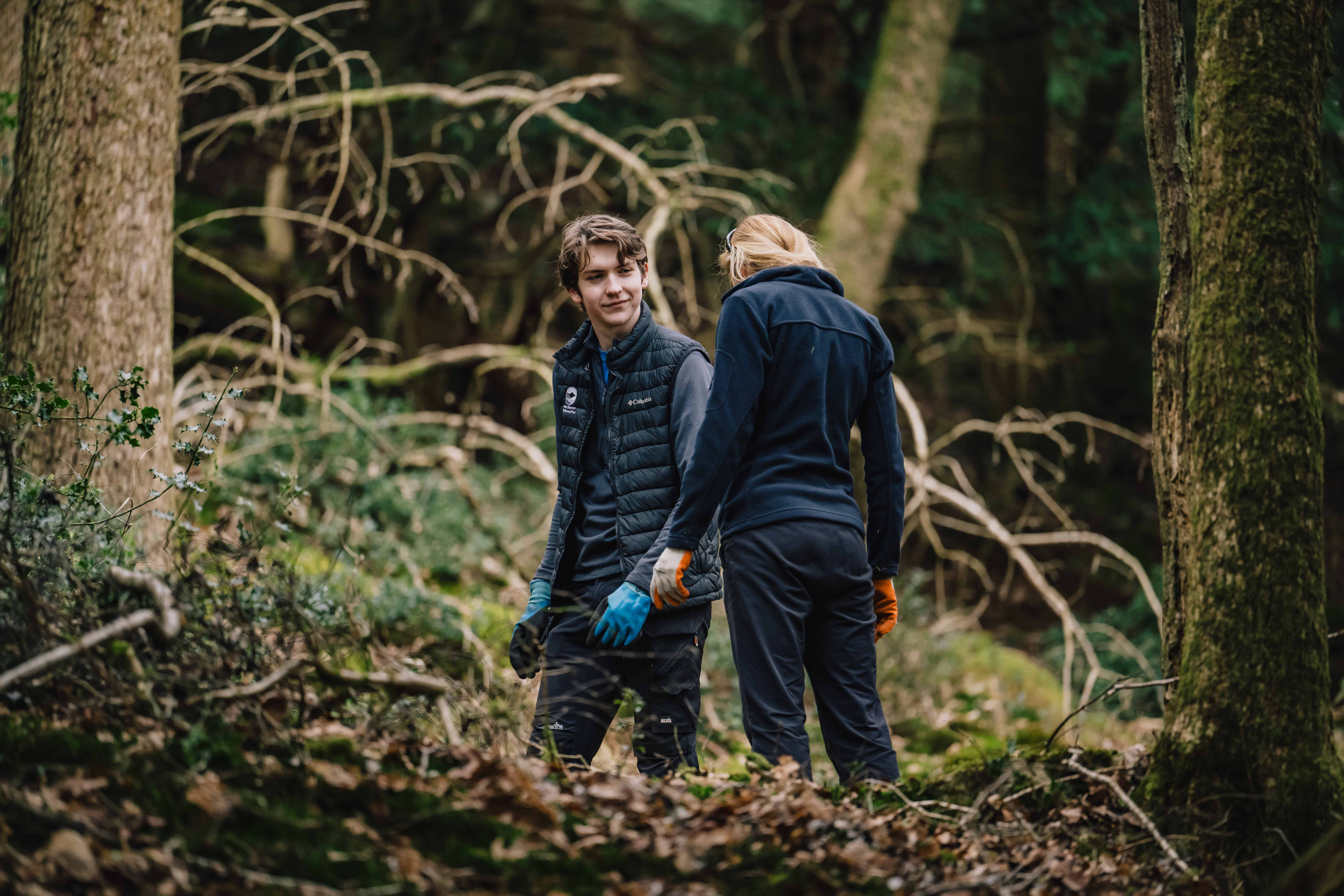
- Traditional local woodland industries, people and skills.
- The physical remains of past woodland industries, buildings, structures (i.e. Bark Barns, Charcoal Sheds).
- The physical remains of historic mines and quarries which have shaped the landscape.
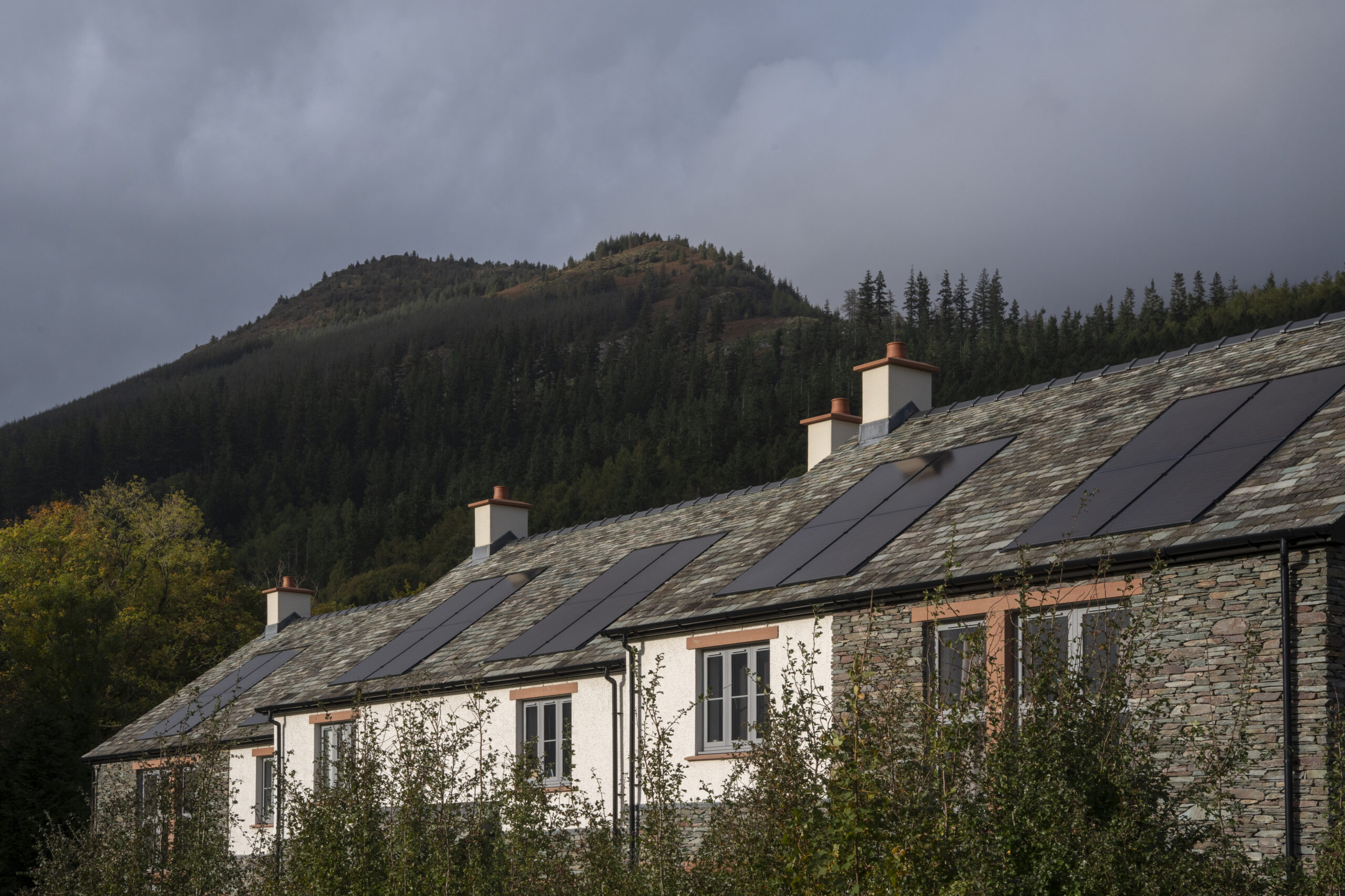
- The English Lake District’s settlement pattern of individual farms, small hamlets, large villages and market towns, historically derived and functionally.
- Medieval buildings.
- Vernacular buildings.
Theme 2
A landscape which has inspired artistic and literary movements and generated ideas about landscapes that have had global influence and left their physical mark.
- Places and collections associated with early tourism.
- Early tourist infrastructure.
- The location of viewing stations, including structures in very limited cases.
- Other key views that form the image of the Lake District.
- The values, aesthetic ideals and perceptions which led to the creation of early tourism.
- Villa Landscapes – their buildings, gardens and surrounding designed landscapes.
- The values, aesthetic ideals and perceptions which led to their creation.
- Physical designed landscapes.
- Residences and places associated with significant writers and poets.
- Key literary and artistic associations with Landscape. Surviving landscape which inspired literature and art.
- The value and significance of ideas and writings of writers and poets and artist.
- Perception and enjoyment of sites and collections associated with Picturesque and Romanticism.
- Key associations with the origins of the outdoor movement.
- Buildings linked to early outdoor holiday movement.
- Surviving landscape which inspired early climbing, outdoors recreation and the early outdoor holiday movement.
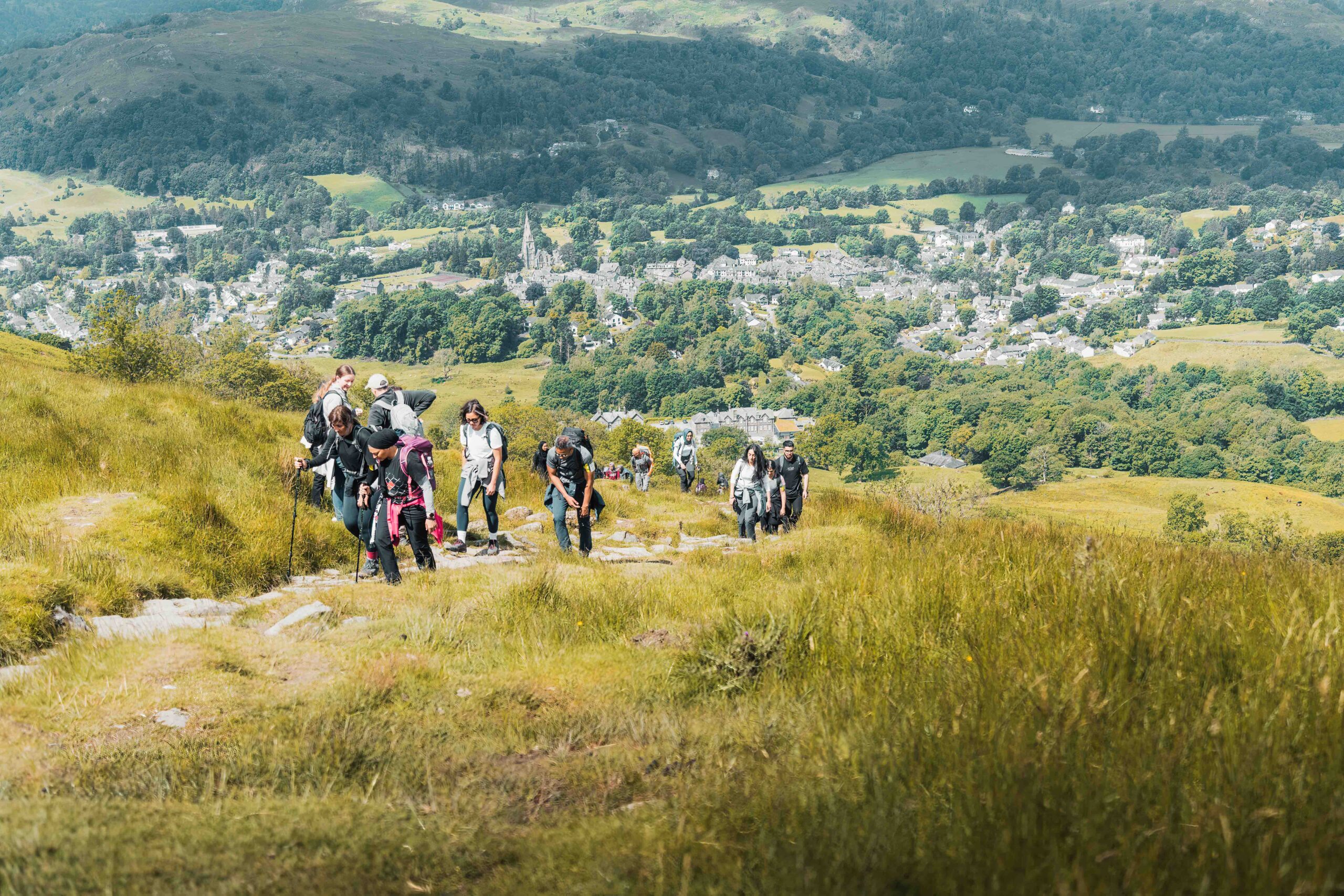
- The Romantic emphasis on outdoor activity and experience – principally walking.
- The open access to the Lake District Fells and lakes for recreation.
Theme 3
A landscape which has been the catalyst for key developments in the national and international protection of landscapes.
- Areas of the World Heritage property where historic landscape conservation battles were both won and lost.
- The idea of landscape conservation inspired by the English Lake District landscape and the universal value of scenic and cultural landscape transcending traditional property rights.
- The landscape is protected for its scenic and cultural value and is protected for the Nation.
- The perception that the landscape is protected for its scenic and cultural value and is protected for the Nation by public and state support.
- Properties owned or managed by the National Trust.
- The knowledge and perception that the creation of the National Trust was inspired by the English Lake District.
- Landscapes owned and sympathetically managed to sustain our Outstanding Universal Values by the Partnership and other landscape conservation bodies.
- Farms and land purchased by individuals and public subscription to protect the landscape and our Outstanding Universal Values e.g. traditional farming.
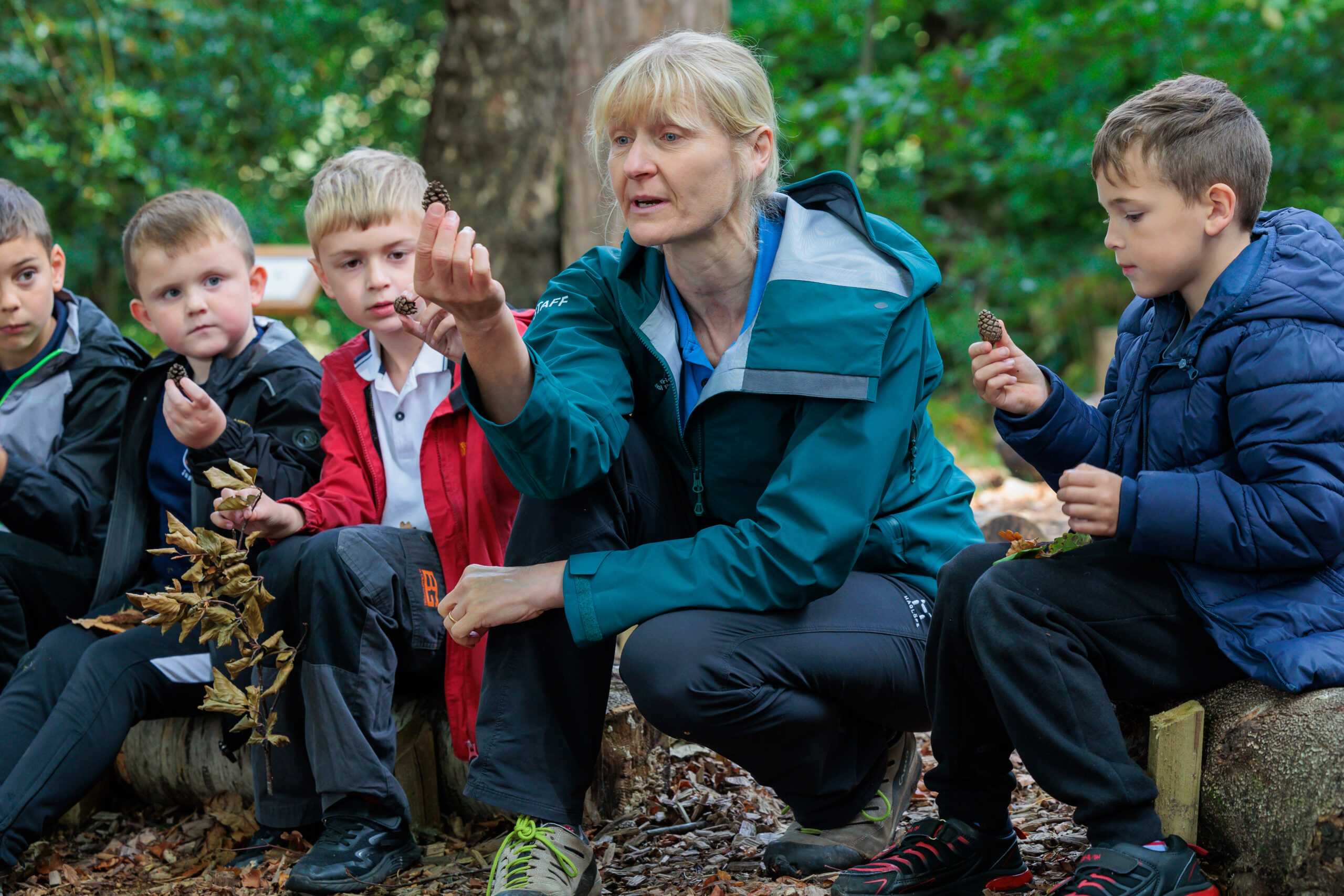
- Organisations and public participating in landscape conservation.
- The perception and enjoyment of an open landscape.
- The ability to feel the values, ideas and perceptions of harmonious beauty and other significance derived from the Picturesque and Romantic traditions specific to the English Lake District.
- The value of landscape for restoring the human spirit and wellbeing.
- Opportunities for quiet enjoyment and spiritual refreshment.