
Top tips for enjoyable Lake District star gazing
Eye adjustment takes 20 minutes to truly adapt to the dark, so give yourself plenty of time to savour the night.
Red lights help keep your night vision, so using a red torch will help keep your eyes adjusted to the dark. You can make own with a cheap light painted in red nail varnish.
Keep warm and cosy. Even in the summer, it can get pretty cold after dark. Layers of clothing, a warm hat, and some blankets or a bean bag, will let you lie back and enjoy the skies above.
A good pair of binoculars can help you see more details at night, just the same at in the day. Although binoculars aren’t as powerful as a telescope they will show 25 or even up to 50 times more than the naked eye.
Star and constellation naming apps. There are lots of great apps for your phone that can use your location and direction to map out and name the stars and constellations above you.
Check the dates for low moonlight nights. Watching a stunning full-moon rise over a fell can be magical. But the extra moonlight on days around full moon does limit the stars you can see.
Dark Skies over the Lake District
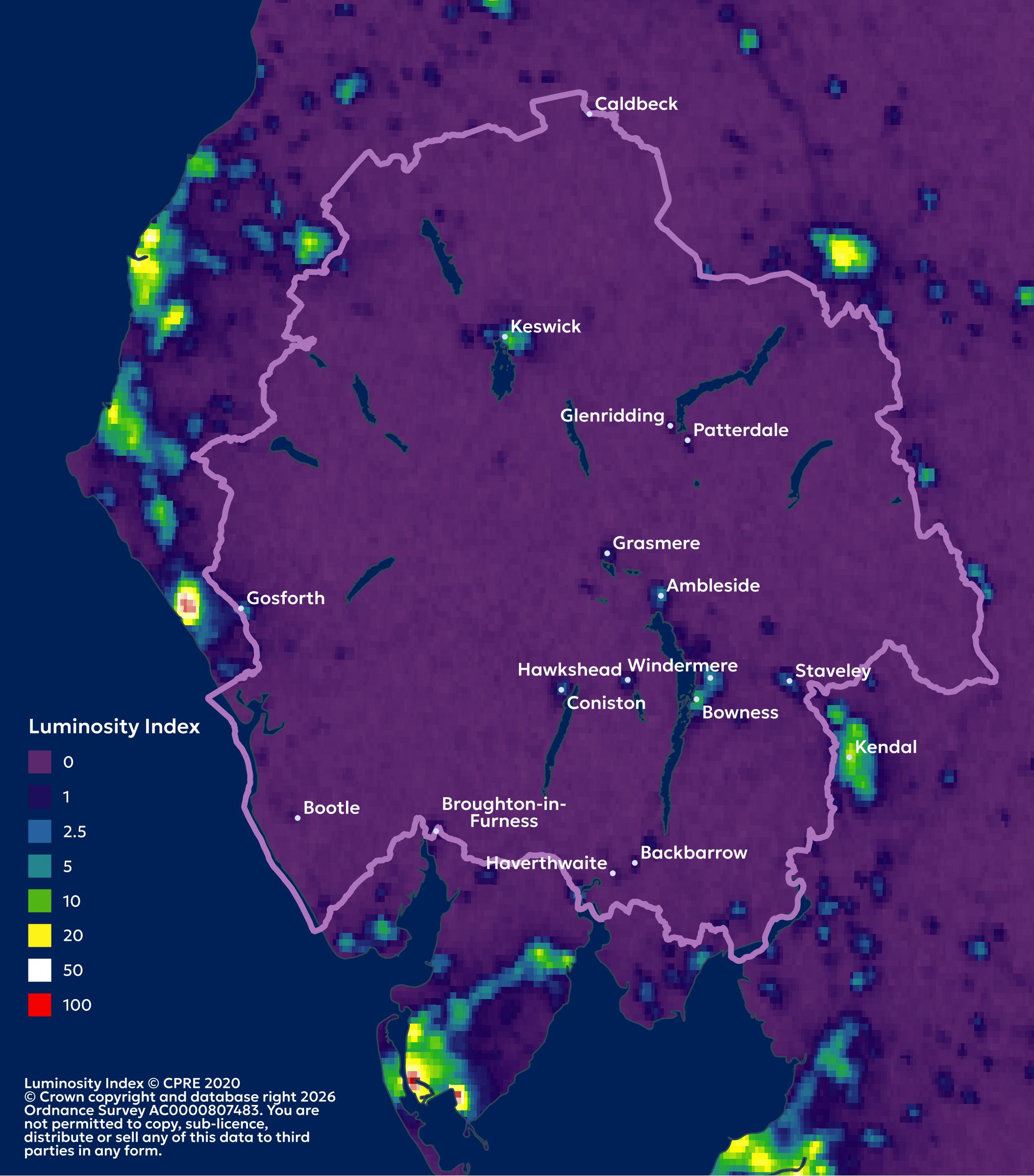
Light at night time is measured as luminosity. In the UK, the highest values of luminosity are measured in Glasgow, with an average of 1500 and London, with an average of 850. In the Lake District the highest level measured is 12, in central Keswick. The rest of the Park is dark, with luminosity levels mostly measured at near 0.
Top places for star gazing in the Lake District
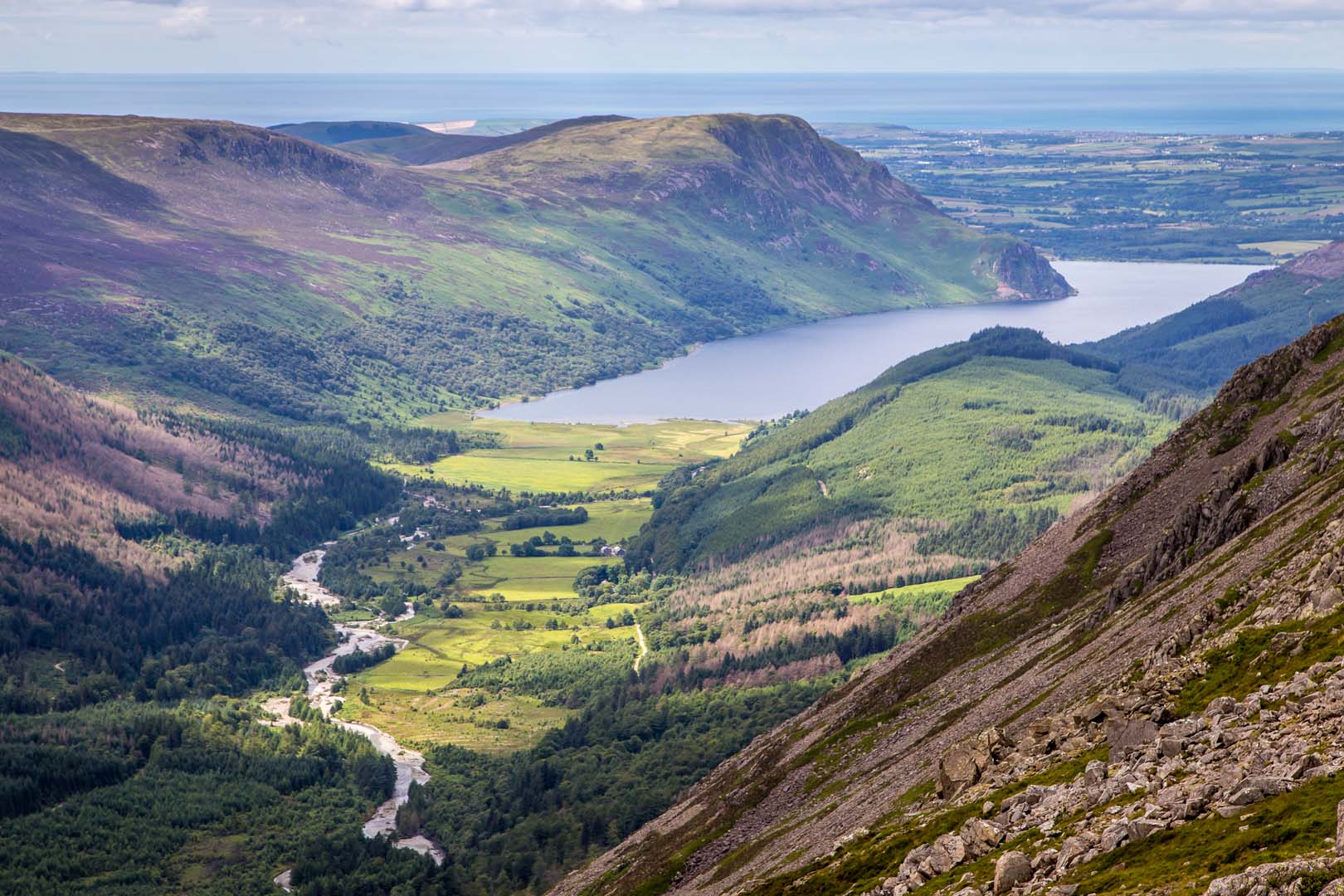
Ennerdale
A remote valley in the North West of the Lake District, Ennerdale is managed to increase wildlife and limit human intervention. There are two car parks at the Western end of the valley and a number of places you can stay, including hostels. With some of the darkest skies in Cumbria, and real natural wilderness feel, Ennerdale is the perfect place for some serious star gazing.
Find visiting information, including where to stay, on the Wild Ennerdale website below.
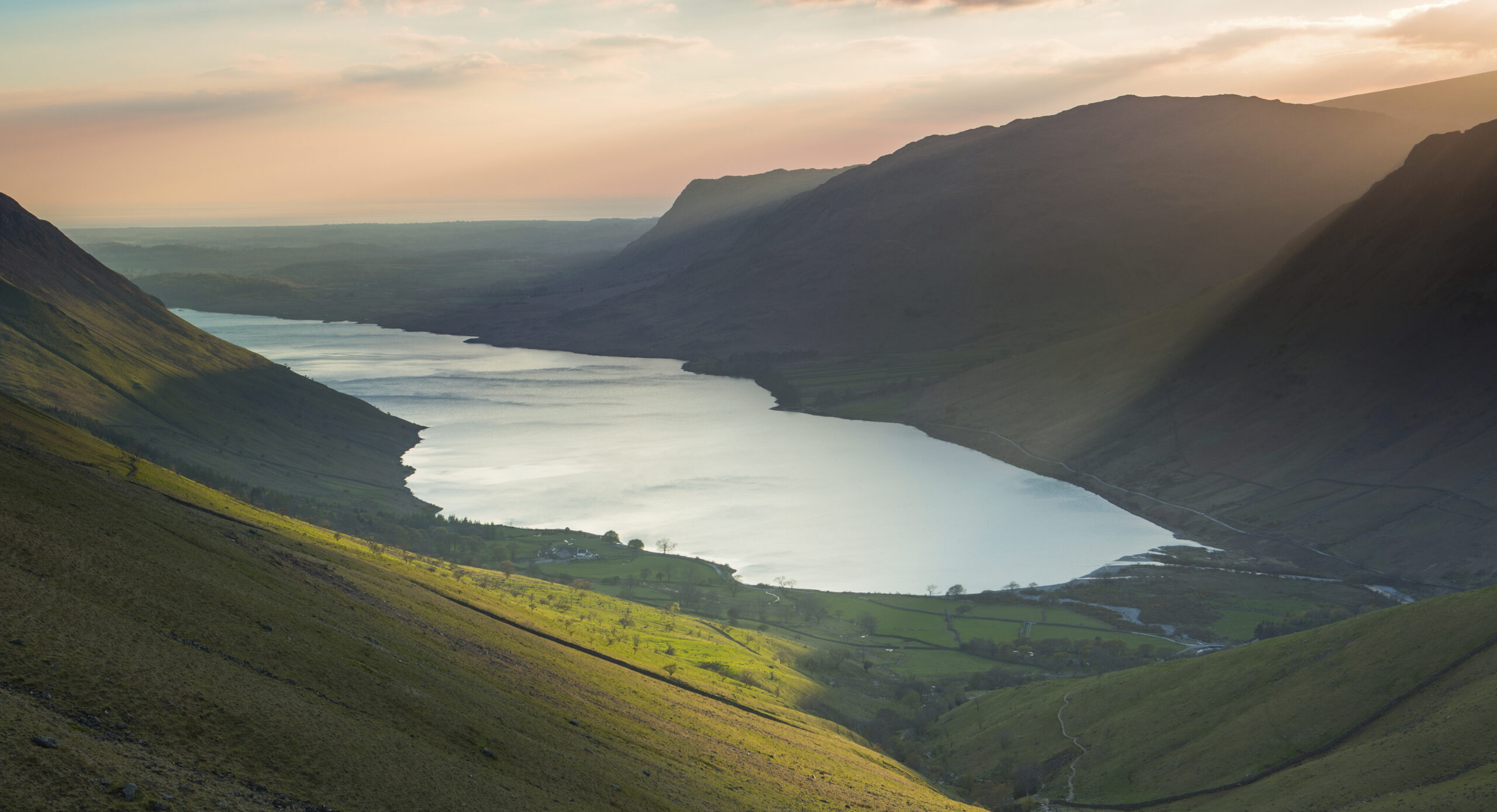
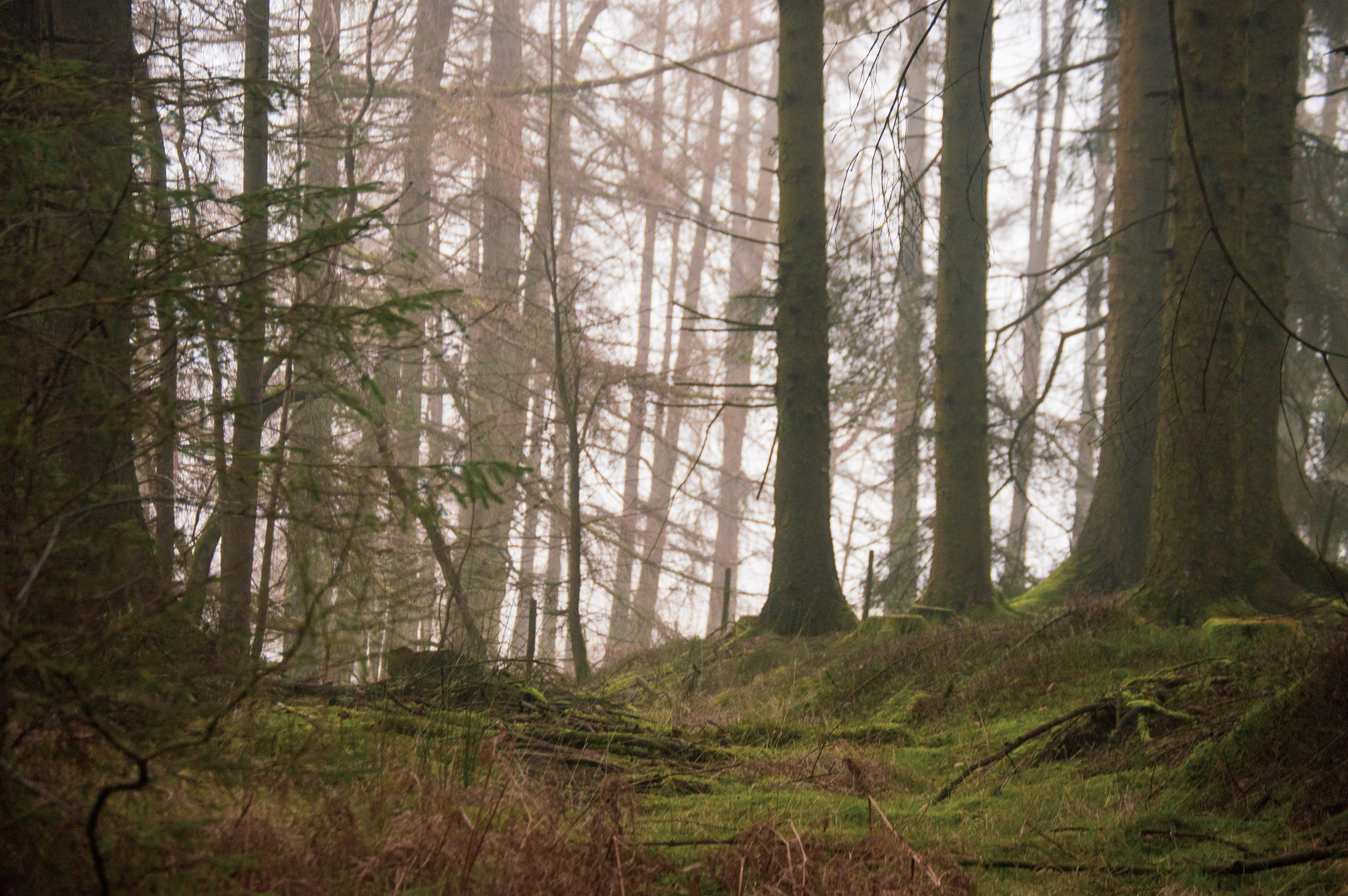
Grizedale Forest
Set between Windermere and Coniston lakes, this area of forest is fairly easy to get to and has a number of car parks and cycle routes. There are a number of star gazing events at Grizedale Forest, with talks, videos and help with telescopes, as well as star gazing outside if the skies are clear.
Visit the Forestry England website below for visiting information and see what’s on.
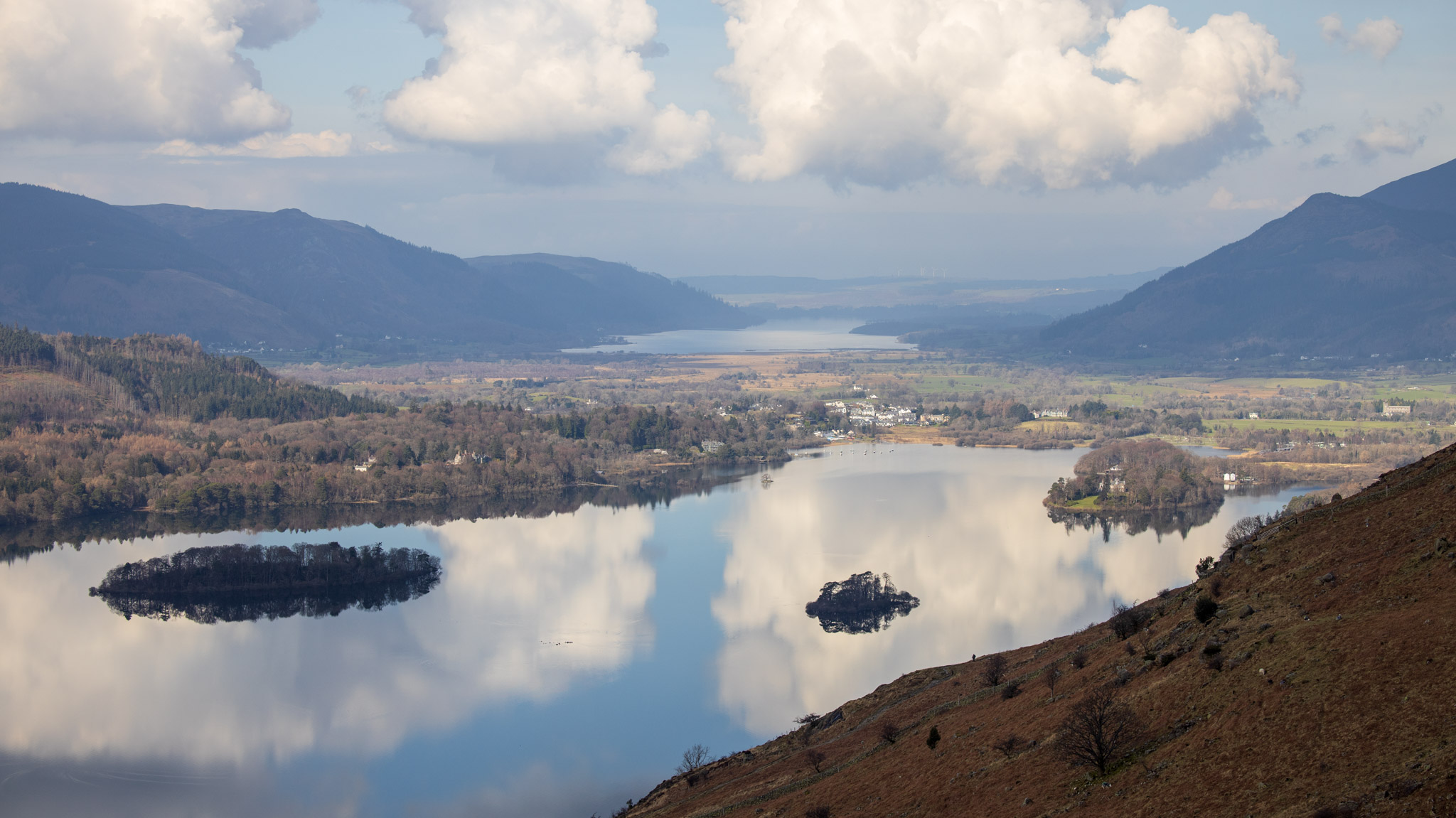
Borrowdale Valley
The peaceful Borrowdale Valley stretches south from Derwentwater, and splits into three smaller valleys, Watendlath, Stonethwaite and Seathwaite. It also includes the Honister Pass, a high, winding road which climbs out of Borrowdale and then down into the Buttermere valley. The imposing height of Scafell Pike, the highest mountain in England sits to the southern end. Climbing high away from light sources below is a great way to get really dark skies.