
Osprey Watch
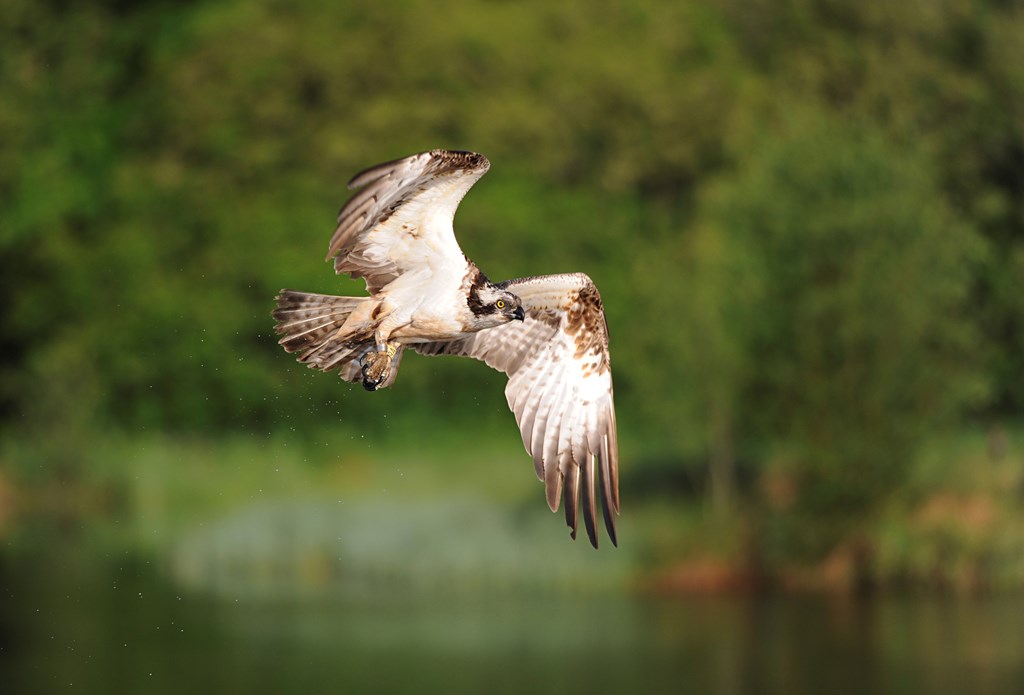
Image credit: Ben Andrew, RSPB
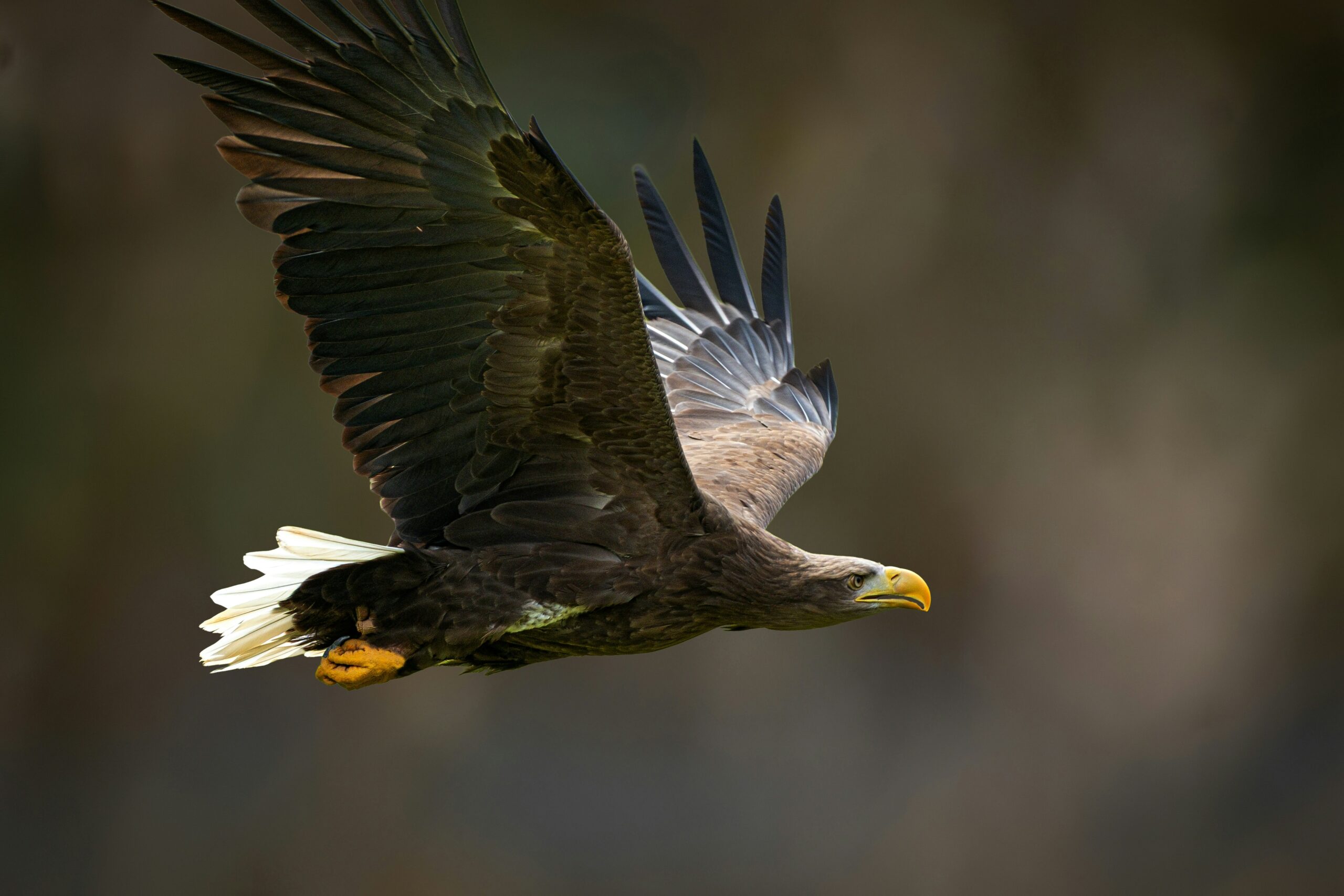
The Lake District Osprey Project was a partnership set up between the Forestry Commission, Lake District National Park Authority and Royal Society for the Protection of Birds (RSPB) supported by many volunteers. The project initially aimed to ensure the continued success of breeding ospreys at Bassenthwaite Lake; to assist with natural colonisation elsewhere in the Lakes; and to provide visitors to the Lakes with the opportunity to see and find out more about ospreys.
Offspring of the original breeding pair at Bassenthwaite have been spotted around Thirlmere, South Cumbria, Foulshaw Moss and South Scotland. The project was disbanded in 2022, due to the successful re-establishment of breeding pairs at locations around the Lake District.
Caldbeck Common enclosures project
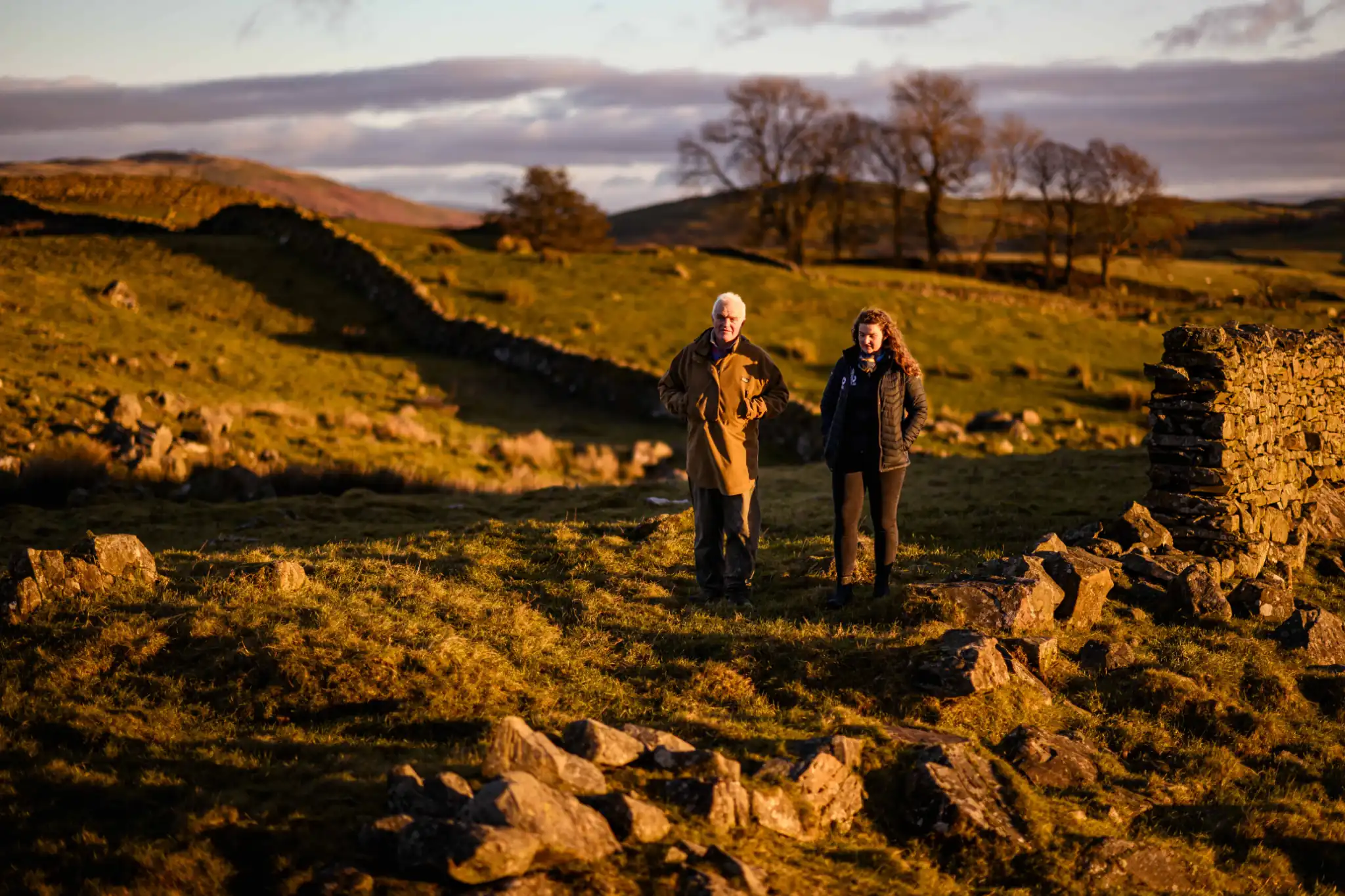
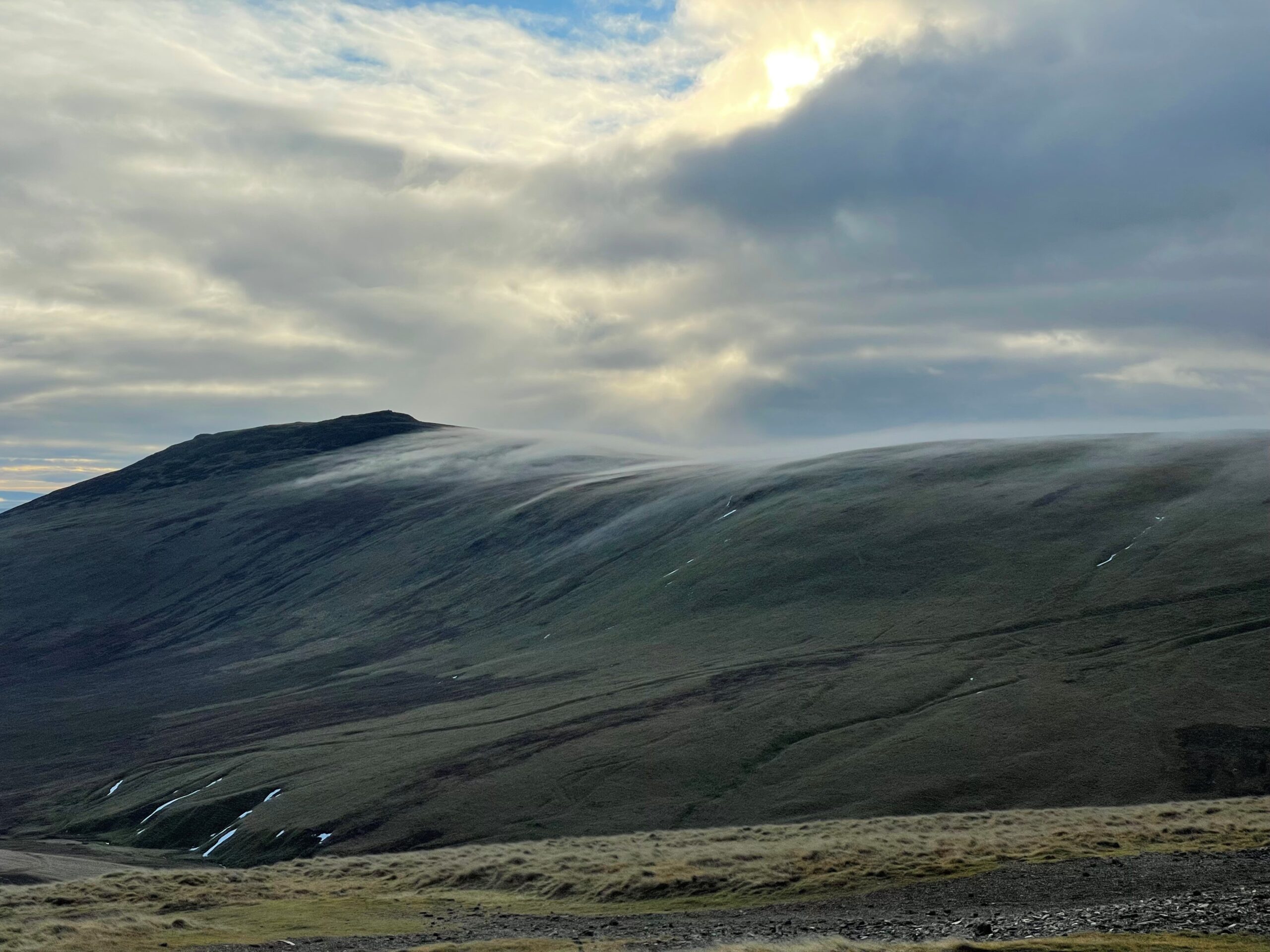
Caldbeck Common makes up part of the Skiddaw Group SSSI and Lake District High Fells Special Area of Conservation. It includes important habitats such as heather and moss moorland, blanket bog and juniper scrub. The area also supports large populations of upland breeding birds which are surveyed annually.
The aim of the enclosures project is to enhance the recovery of upland heath plant communities by reducing grazing pressure; boosting biodiversity whilst supporting commoning.
The Lake District National Park Authority (LDNPA), the Caldbeck Commoners’ Association and Natural England are working together on this exciting project to fence off three upland areas of designated ‘Site of Special Scientific Interest’ on Caldbeck Common, totalling 36.2ha, for a period of five years.
Stanley Ghyll
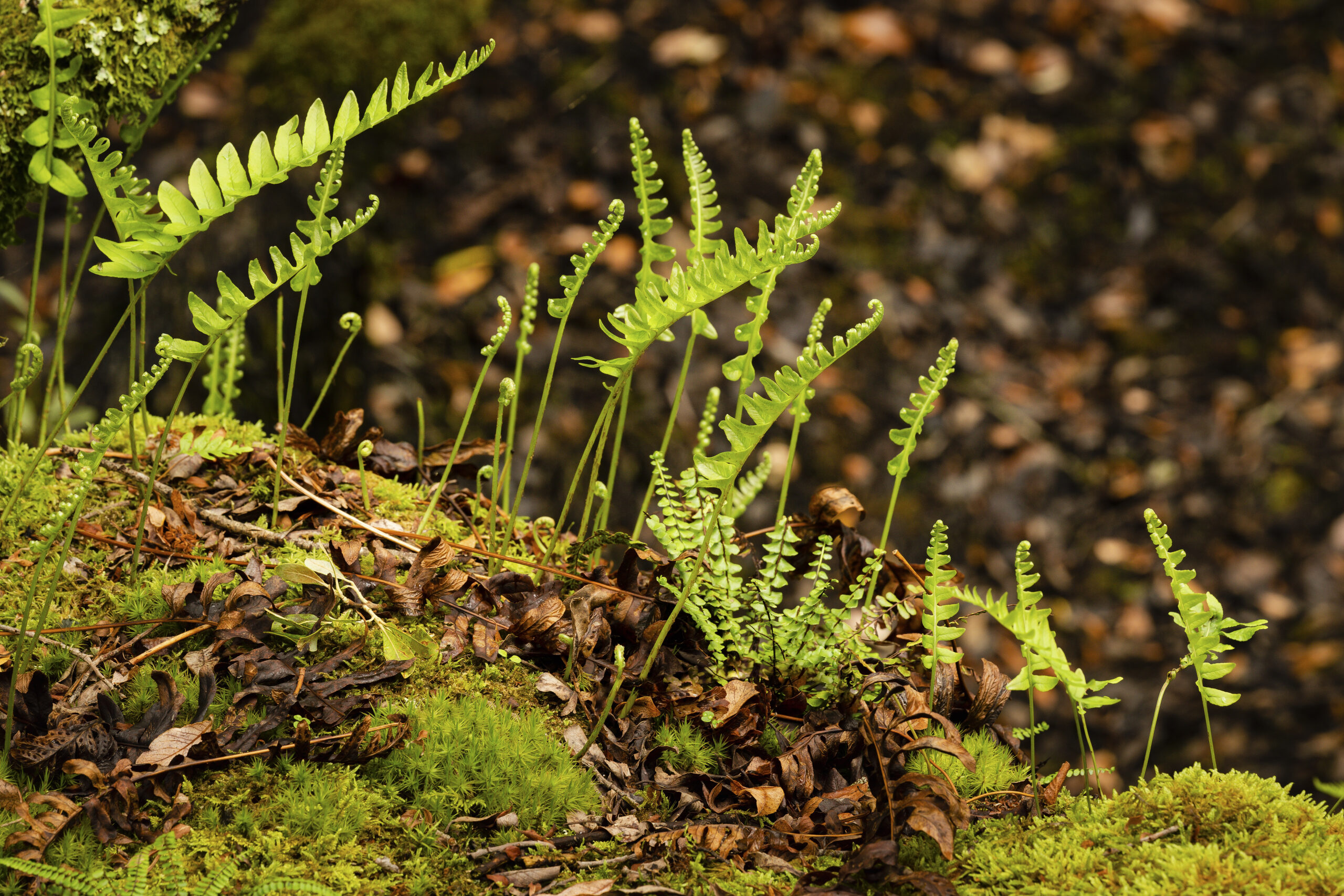
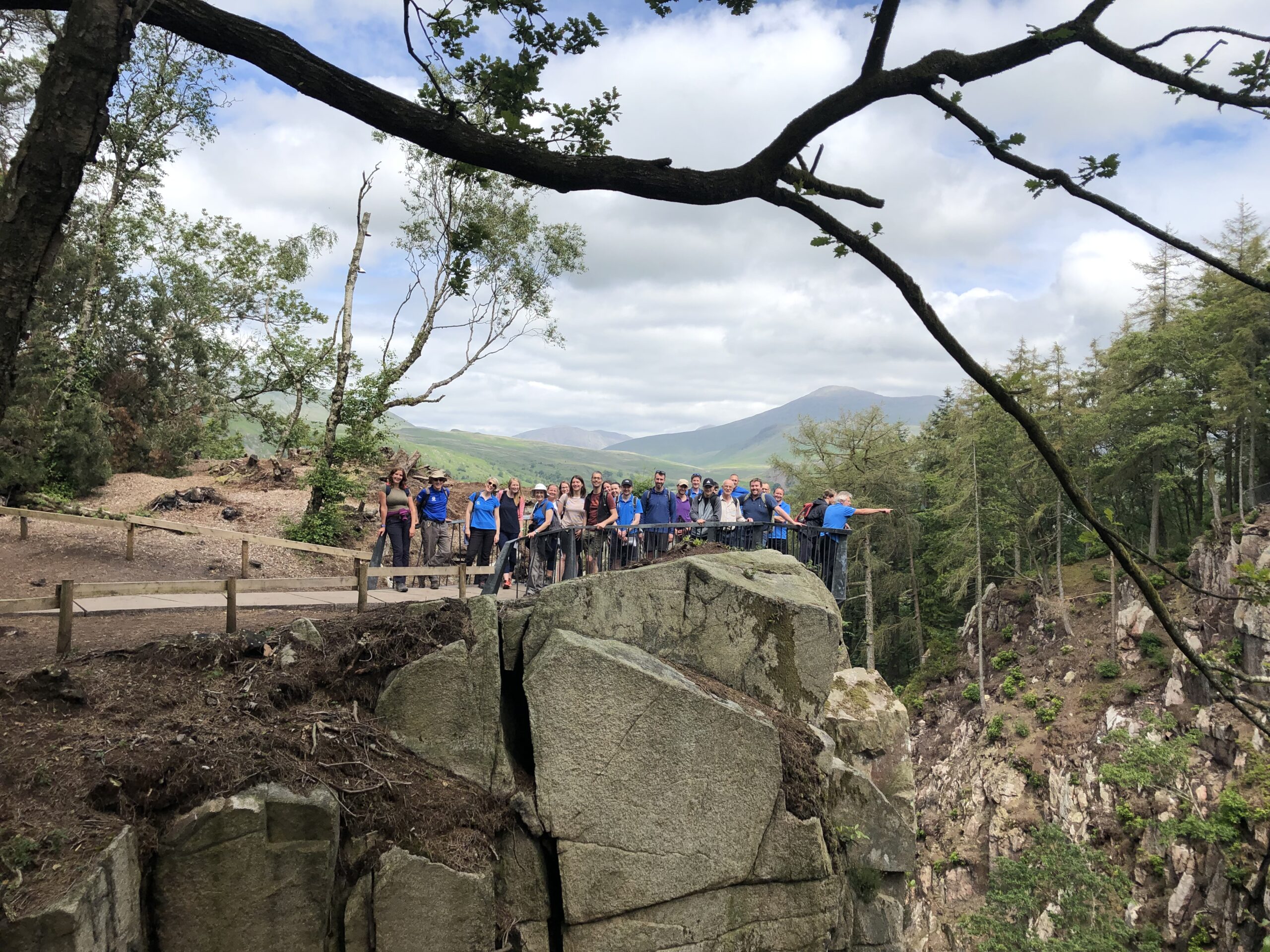
Stanley Ghyll is “one of the finest waterfall ravines in the Lake District”. The humid, sheltered beck, waterfall and woodland conditions within the Site of Special Scientific Interest (SSSI) protect a rich community of flora. Purchased by the Lake District Special Planning Board (which later became the Lake District National Park Authority) in 1994, the site is now well on its way to much improved biodiversity.
Wild Deer Management Strategy
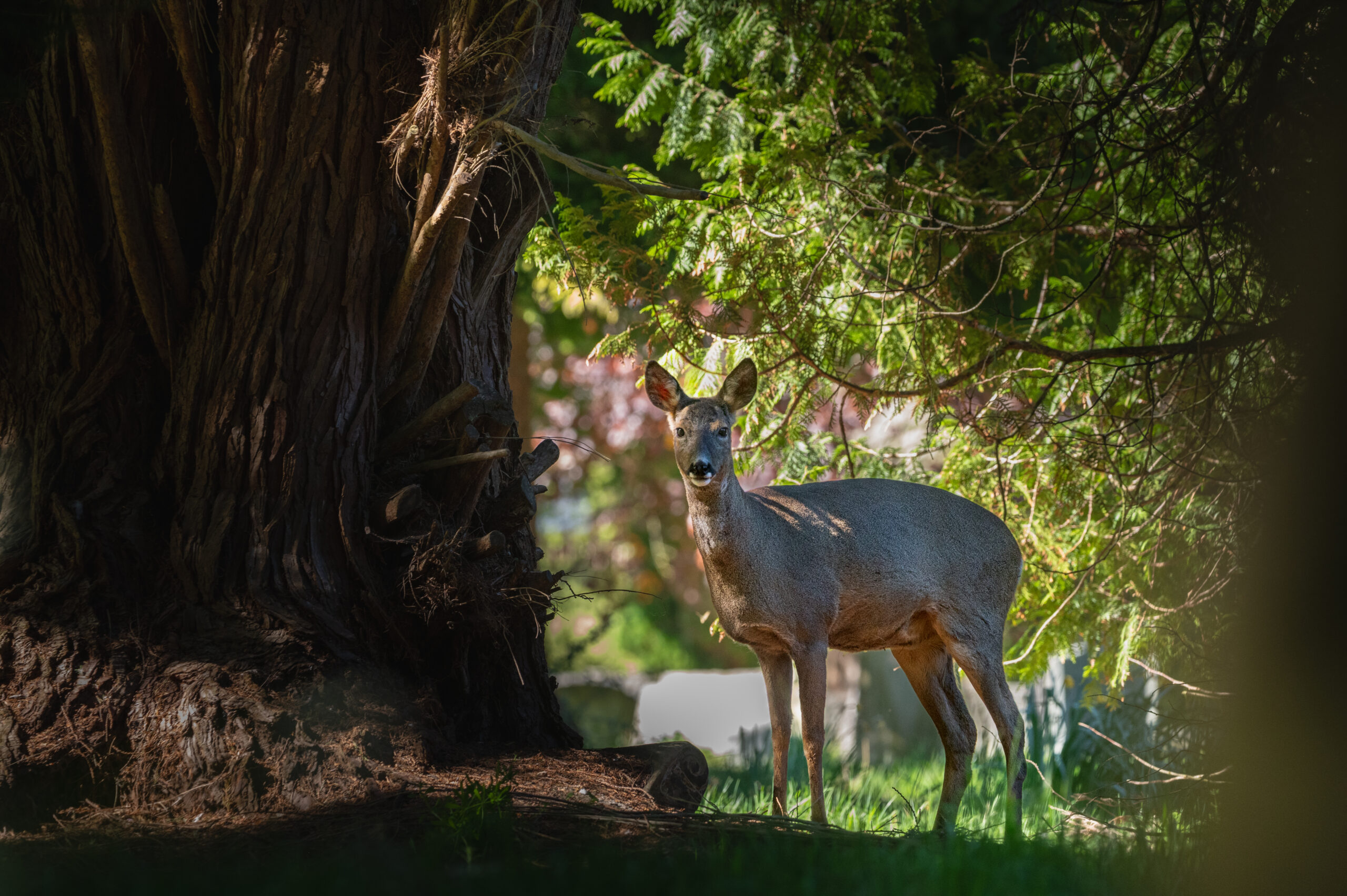
Deer populations across the UK have grown dramatically over the past century, driven by land‑use changes and the loss of natural predators. In the Lake District, rising deer numbers now present significant environmental and land‑management challenges.
To address the challenges, land managers in the Lake District are working towards regulating deer populations at sustainable levels. The Lake District Wild Deer Management strategy promotes evidence‑led, collaborative and adaptive management, bringing together landowners, environmentalists, deer stalkers and deer experts to protect the landscape while safeguarding the welfare of deer for the future.
Rusland Woodland consultation
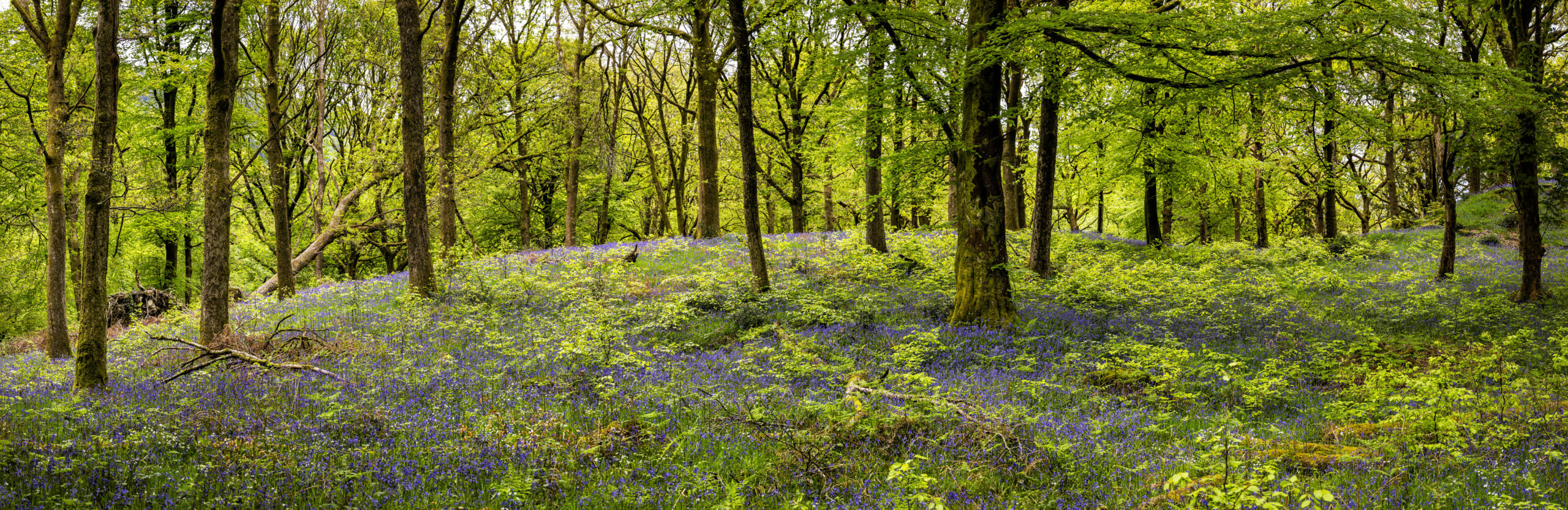
We are inviting the community, partners and visitors to review and feedback on our draft 10 year woodland management plan for the woodland property that we own in the Rusland Valley. The plan details how we will care for the woodlands over the next decade, aiming to protect and enhance the habitats in the Rusland Valley.
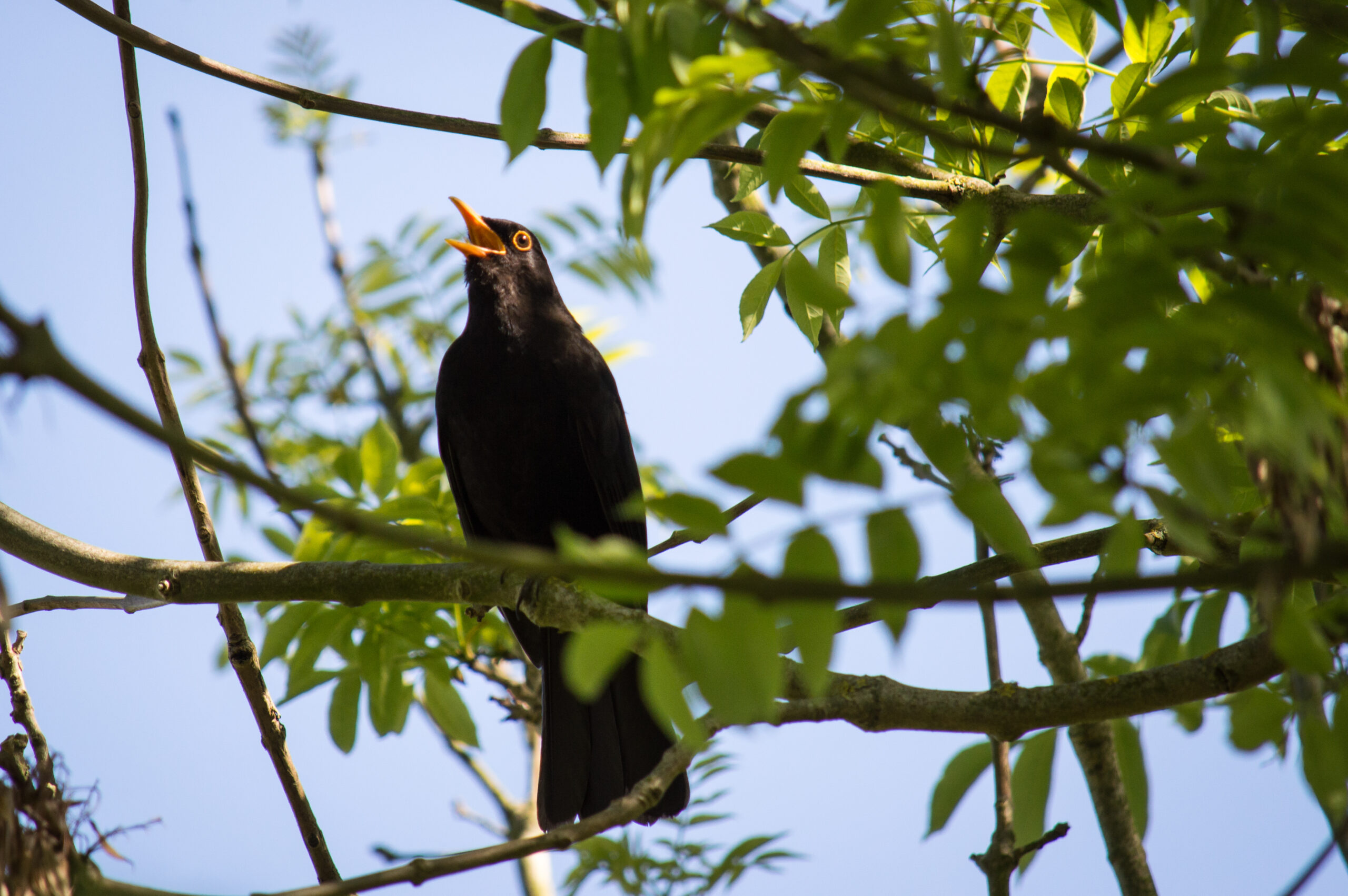
Live bird call detection
With help from Beak Tech, we installed acoustic monitors at three of our office sites across the Lake District. They run 24/7 and detect live bird call statistics, which can be seen in our live feed.