
Windermere case study
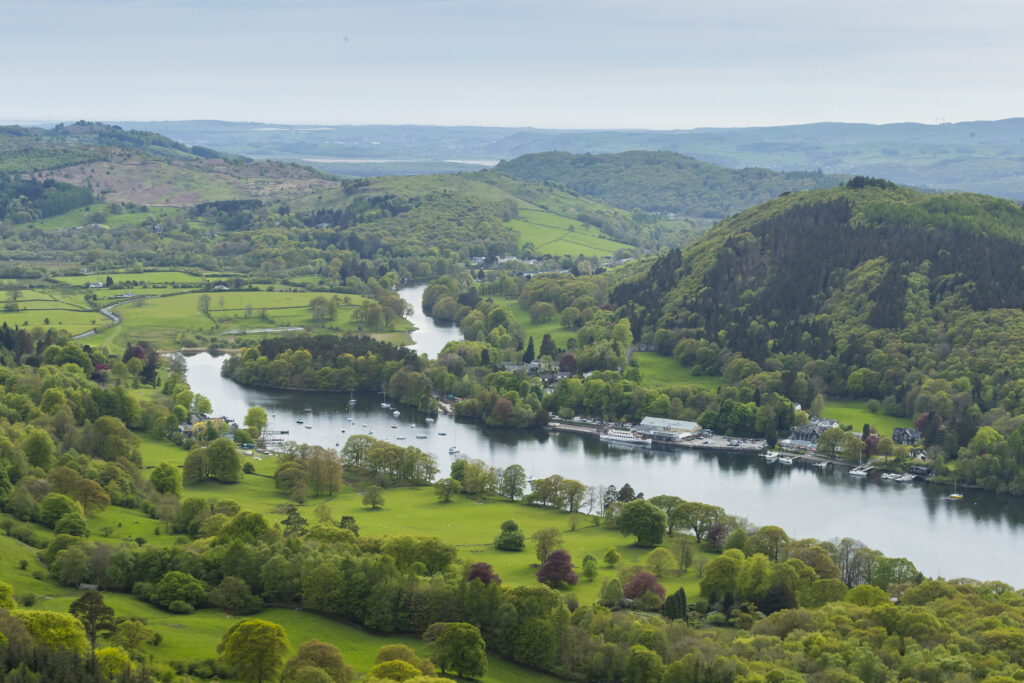
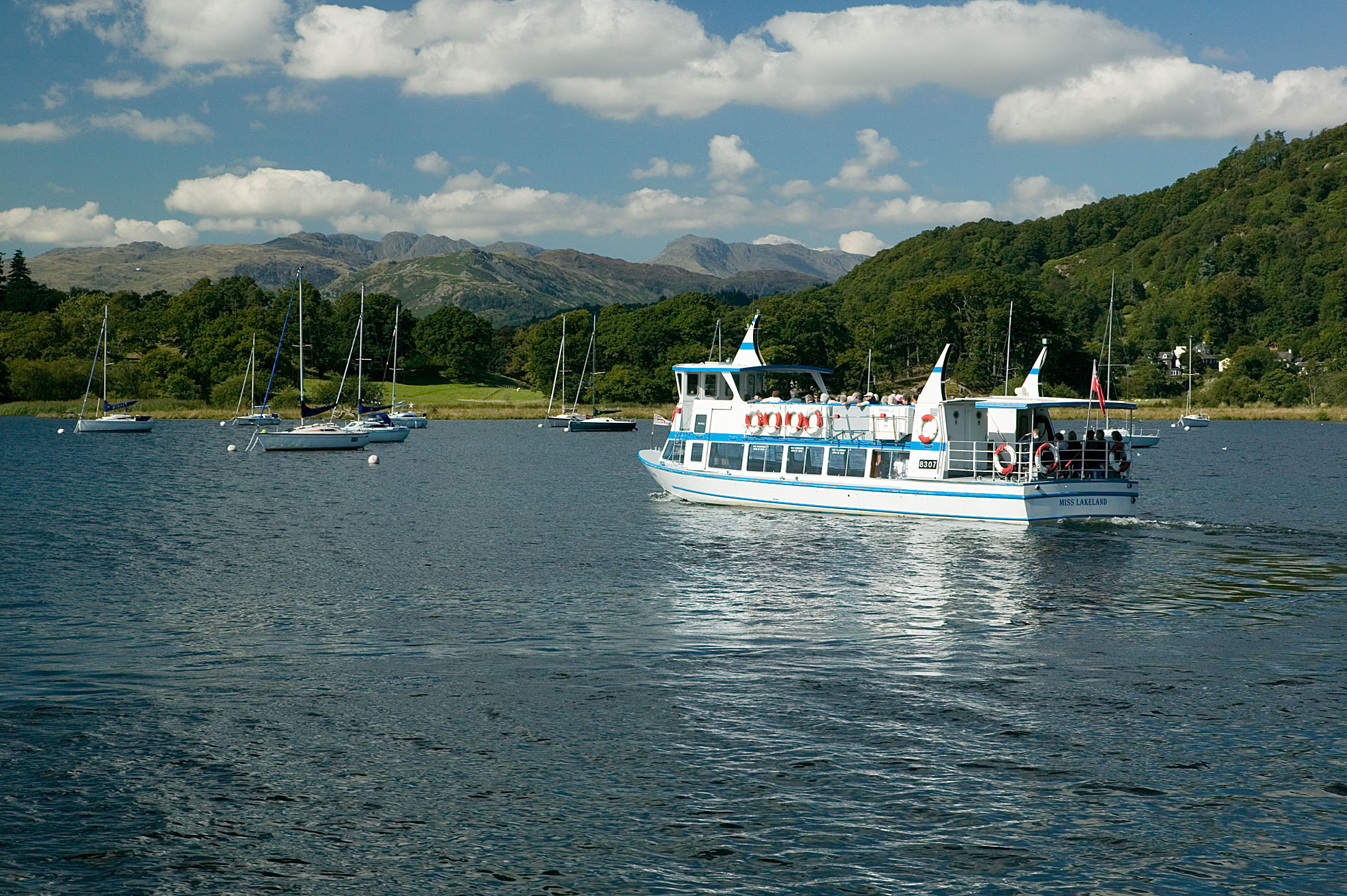
The image above pictures a Windermere Lake Cruise’s ferry departing from Waterhead near Ambleside with the Langdales in the background.
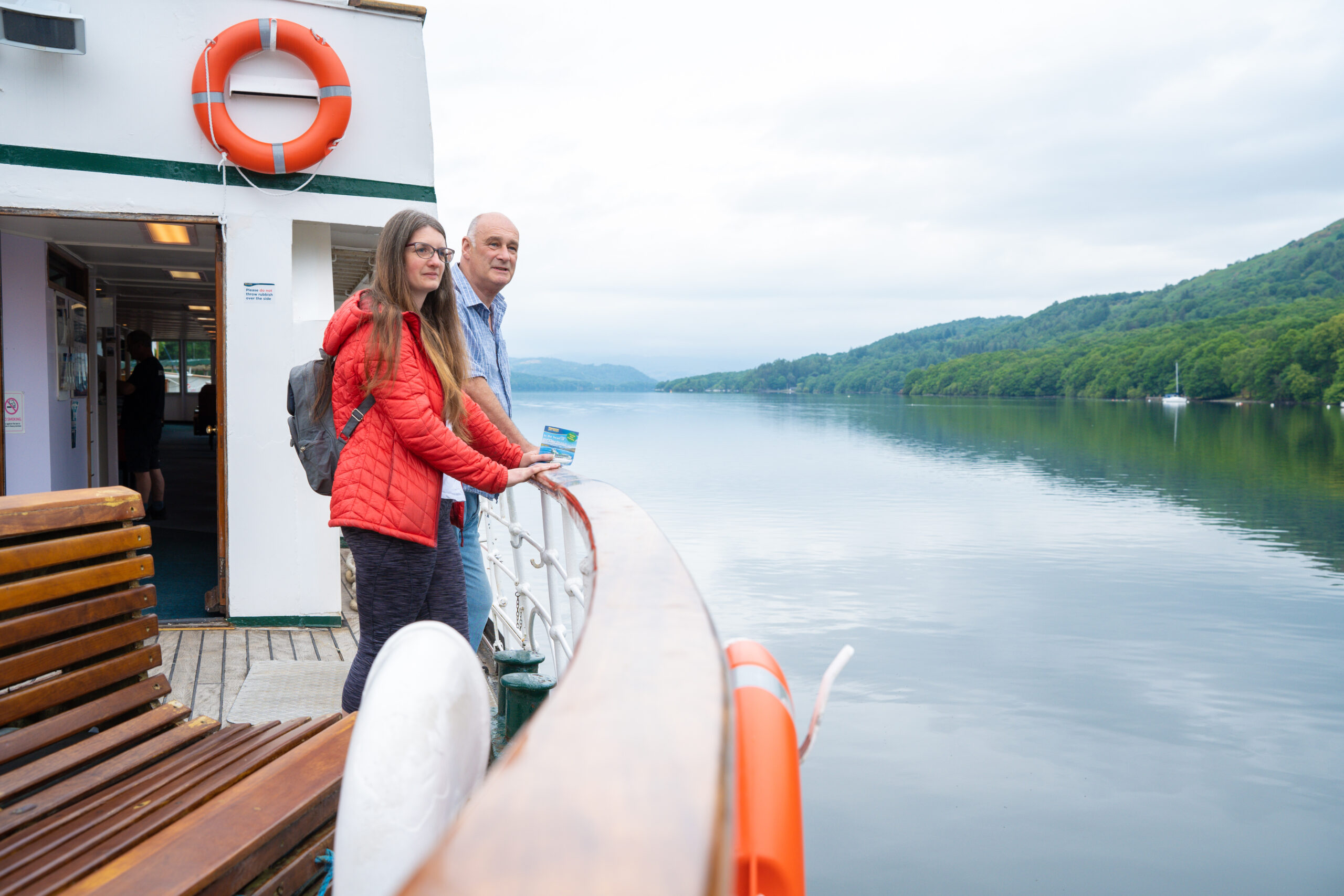
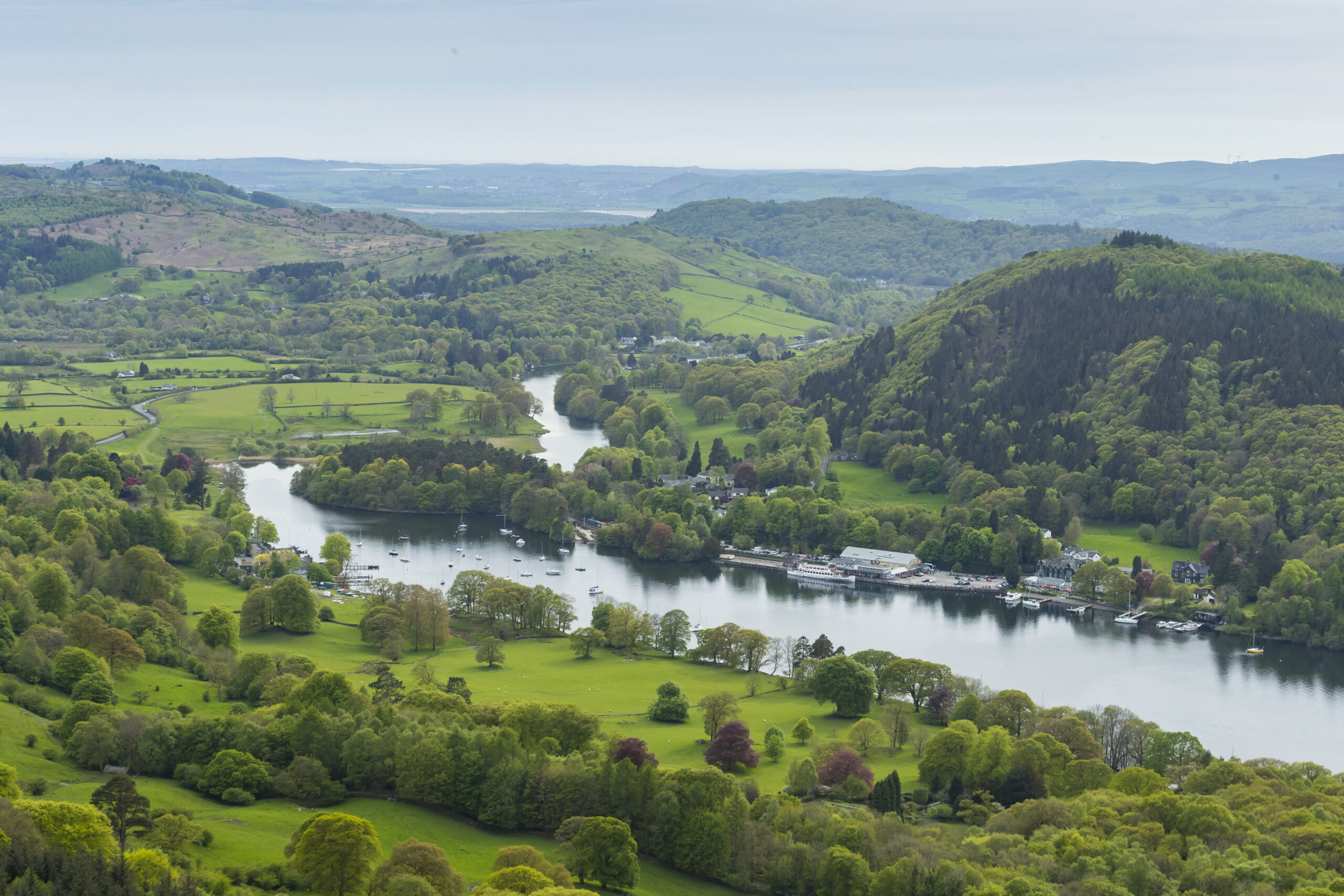
In 2022 Windermere Lake Cruises were the 4th most popular paid-for tourist attraction in England and the most popular attraction in the North West, with over 1.3 million people using them that year. They take visitors up to the head of the lake as far as Waterhead, near Ambleside and down to Lakeside at the southern end.
At 17 km long, Windermere is England’s longest lake. It has its own rangers and patrol boats in the summer months. There is a 10mph speed limit on the lake. This came into force in 2005 to allow smaller vessels such as sailing boats and kayaks to enjoy the lake safely without being endangered by jet skis, water skiers and fast motor boats. However, this decision was controversial and many local businesses had to diversify in order to continue trading. Tourists in general bring jobs and money into the area but increase traffic congestion and have a significant environmental impact.
The Lake District National Park was formed in 1951 but the idea of an area for all to enjoy and have access to began long before. The poet William Wordsworth along with other famous Lakeland characters such as John Ruskin, the art critic and social reformer, all thought that this area of outstanding beauty should be protected for everyone to enjoy in the future.
The railway from Kendal to Windermere that was completed in 1847 improved access for many, but it was the advent of the motor car which brought the high visitor numbers, firstly the charabancs of the early 1900s and later the private car. Initially it was only the local factory workers who would visit from the surrounding counties on their days off, but now visitors from the southeast of England outnumber those from any other region and many people come from overseas too.
Current surveys show that about 18 million visitors come to the Lake District each year. Most come to enjoy the scenery, peace and quiet and walking but many others visit specific attractions or take part in an outdoor activity. They stay in a mixture of self-catering and serviced accommodation. The National Park Authority’s current challenge is finding ways of encouraging sustainable tourism without further damaging the very landscape which visitors come to enjoy.
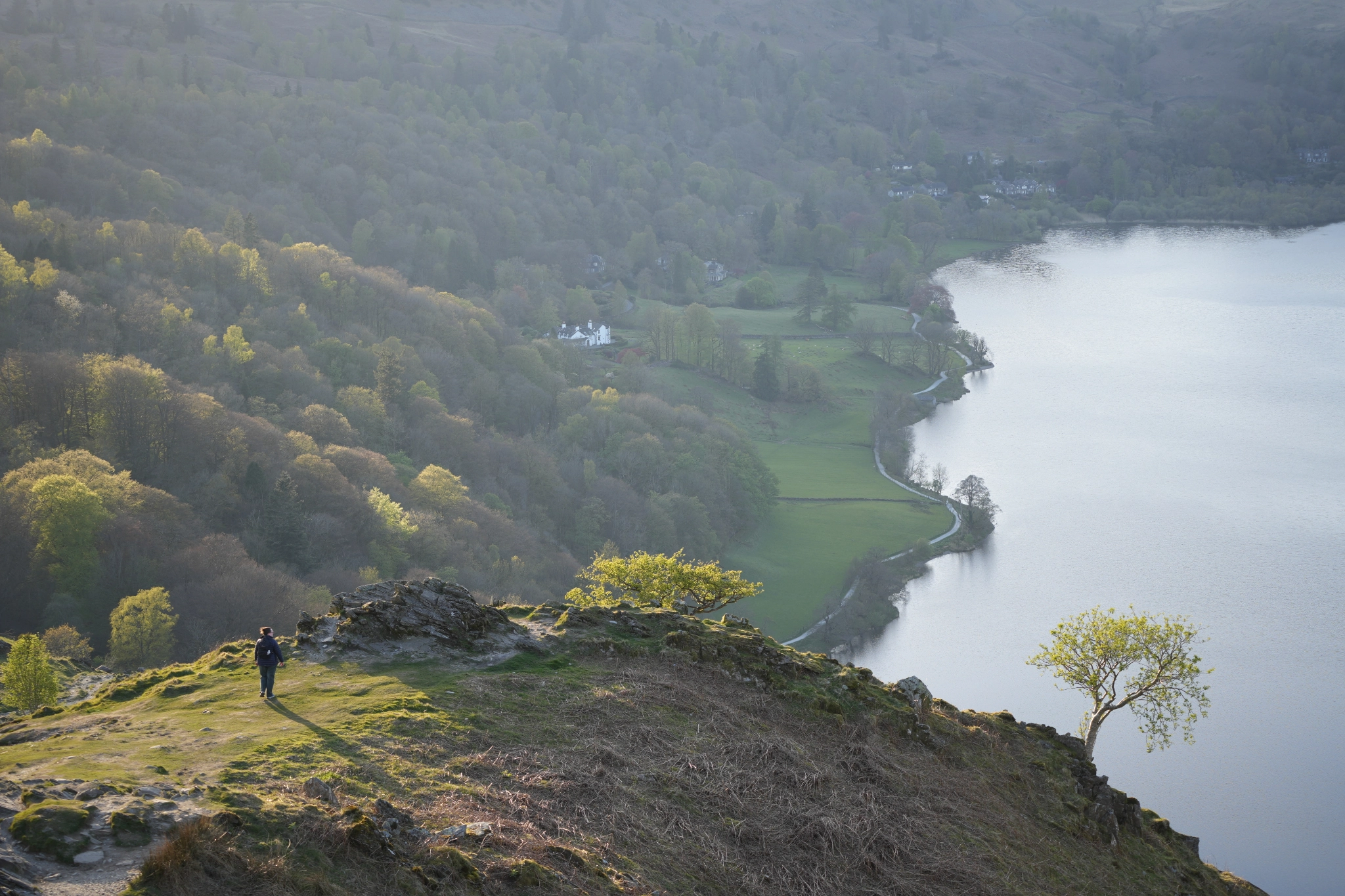
Lakeshore erosion is a continuing problem around Windermere. Tourists and locals alike enjoy walking by the lakeshore but it destroys plant life and leads to erosion of the area. Soil gets washed away and then only a stony beach remains rather than a natural area of reeds, and water-loving plants. Some sections of lakeshore have been cordoned off to allow regrowth of natural lakeshore habitats. Many studies have been conducted on the ecology of the lake, and other measures have been taken to reduce pollutant levels in the water to encourage plant and fish life.
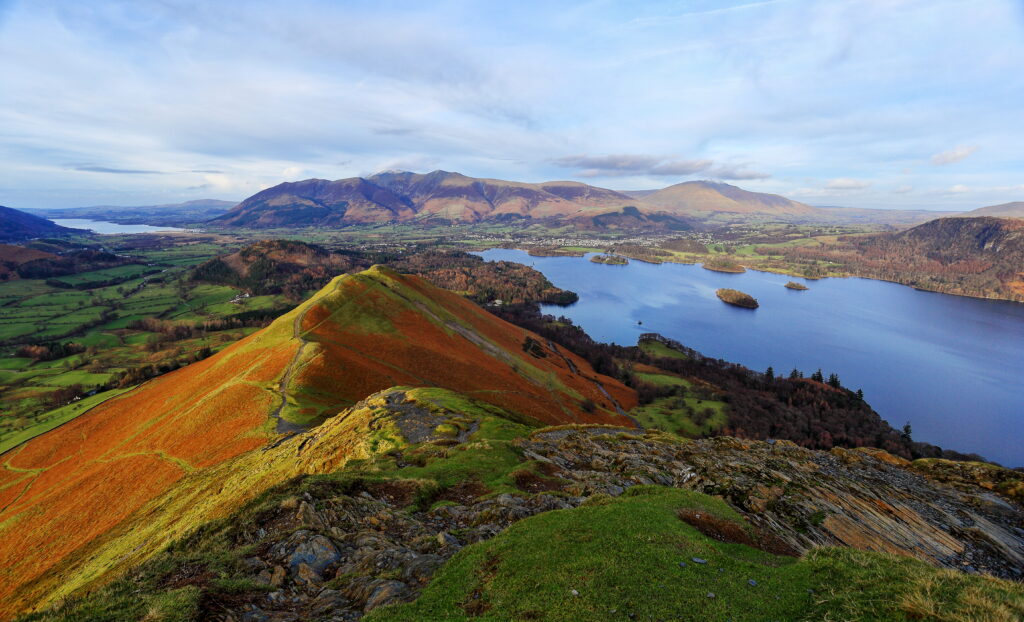
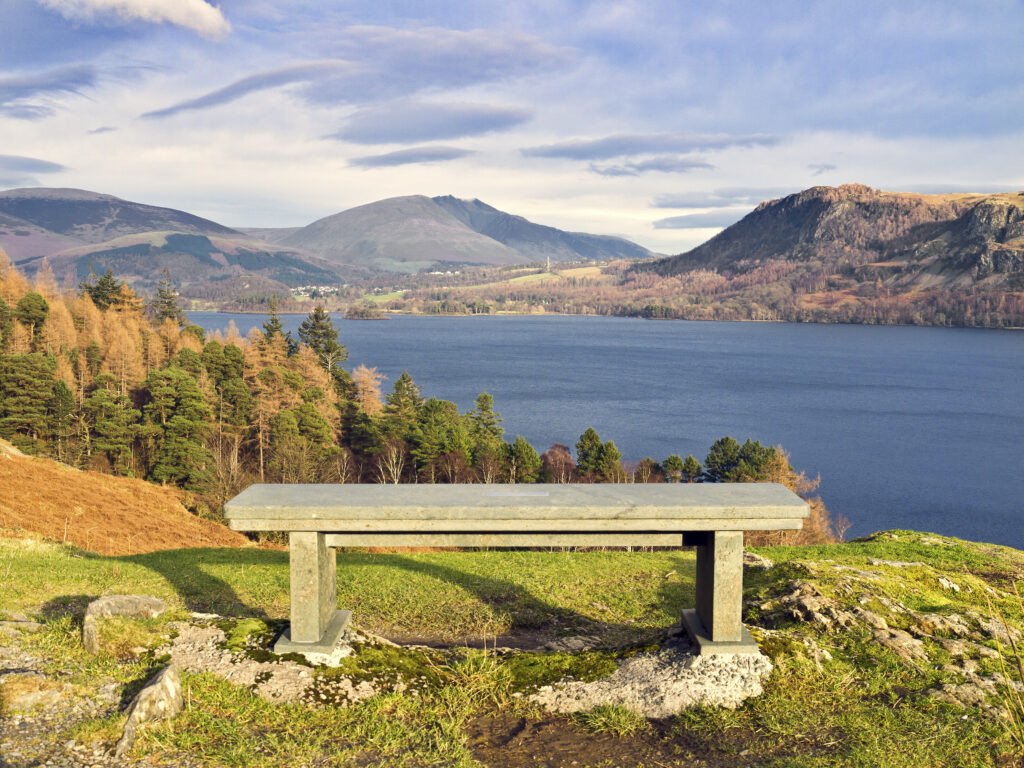
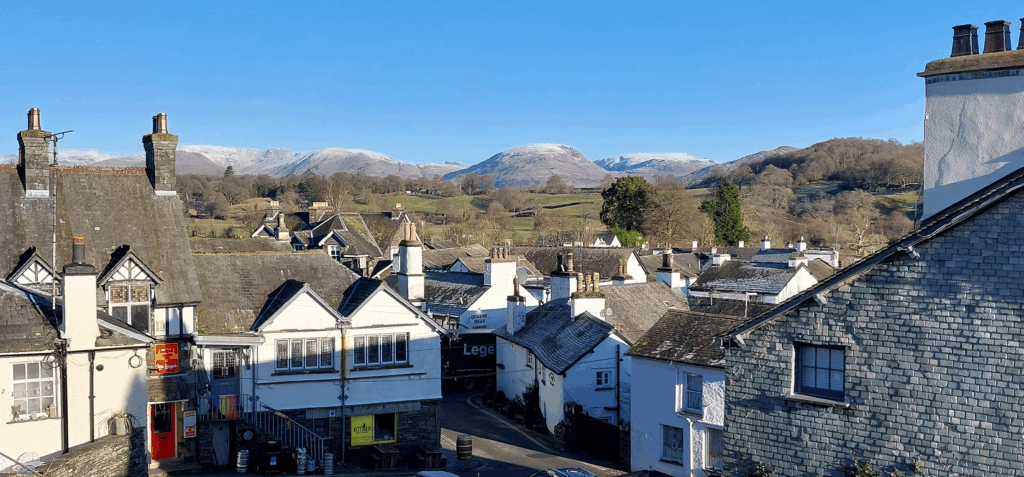
Windermere images
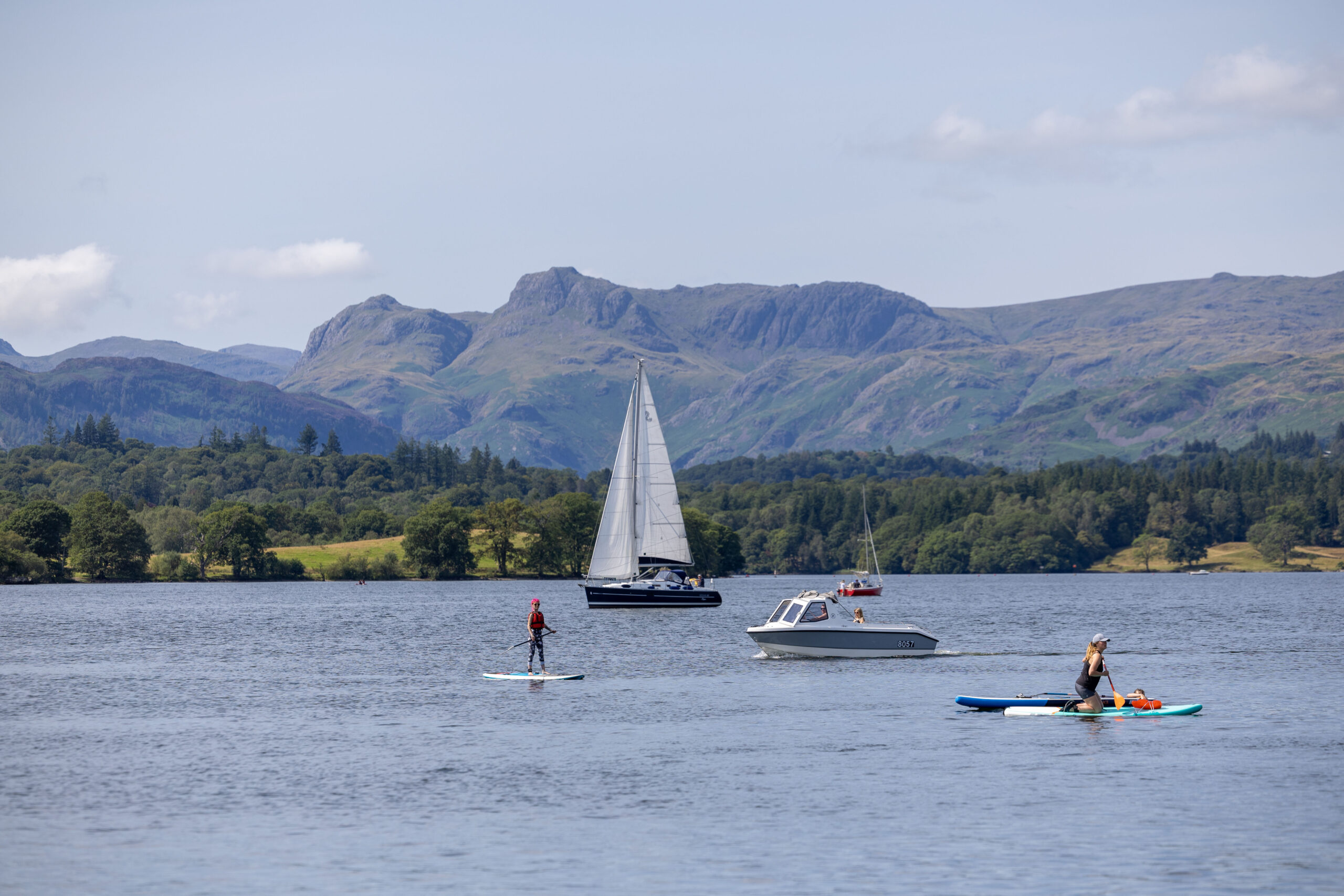
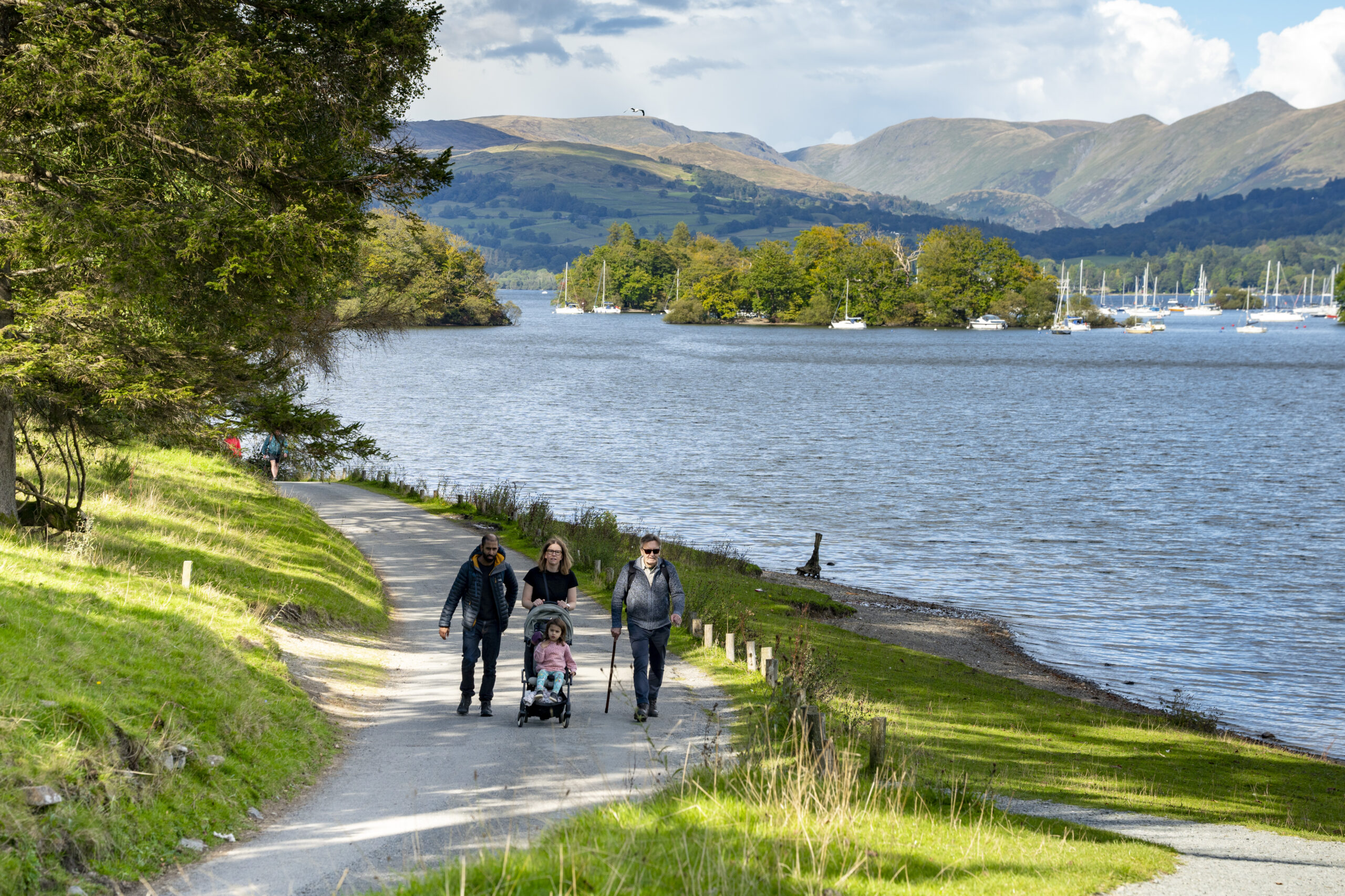
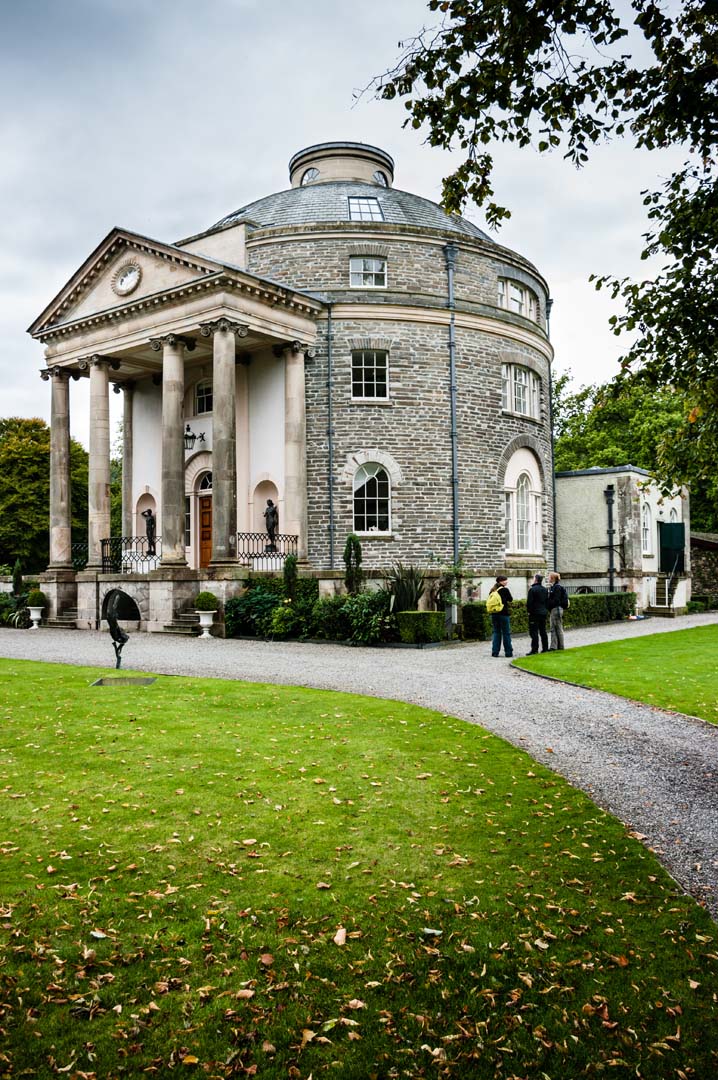
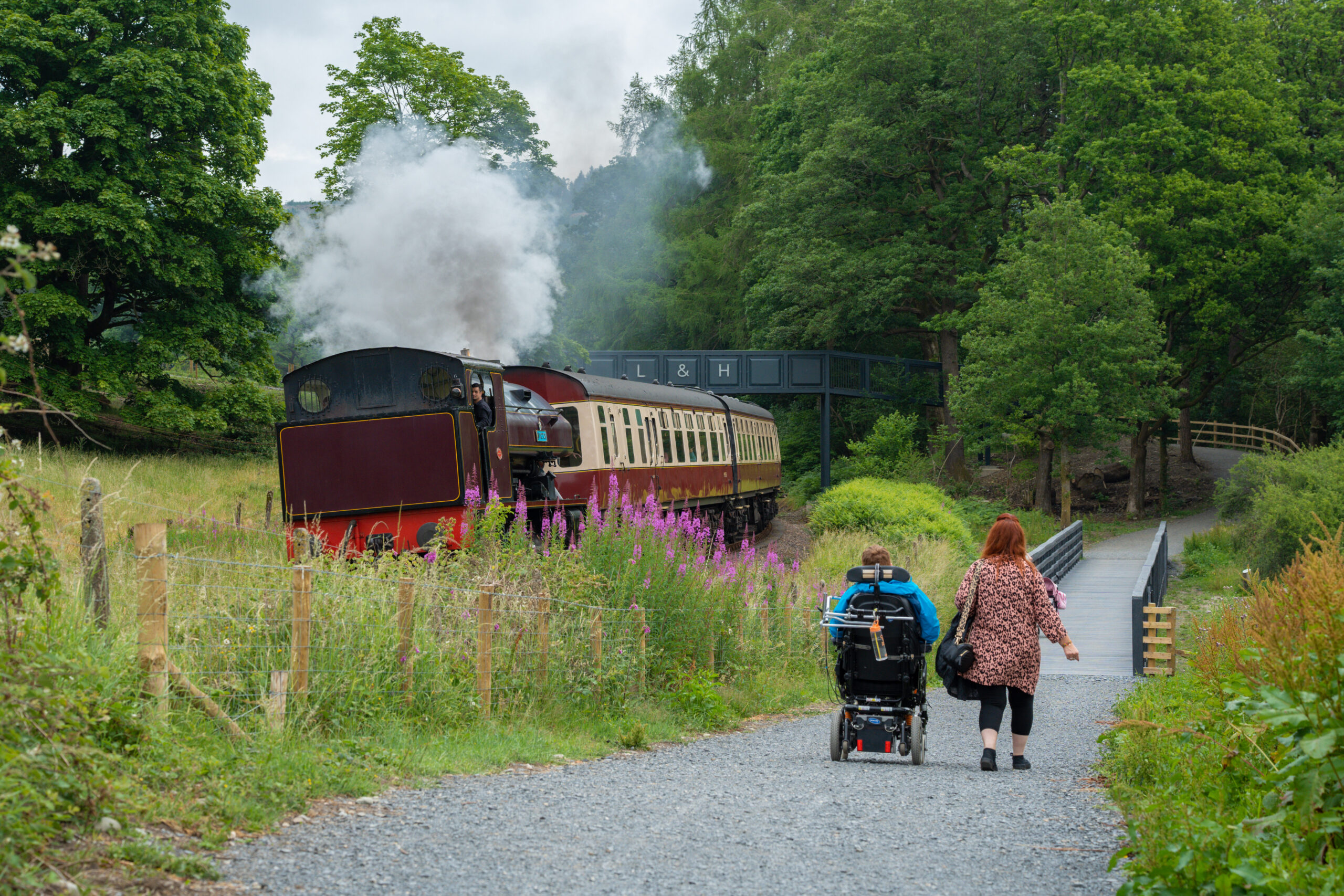
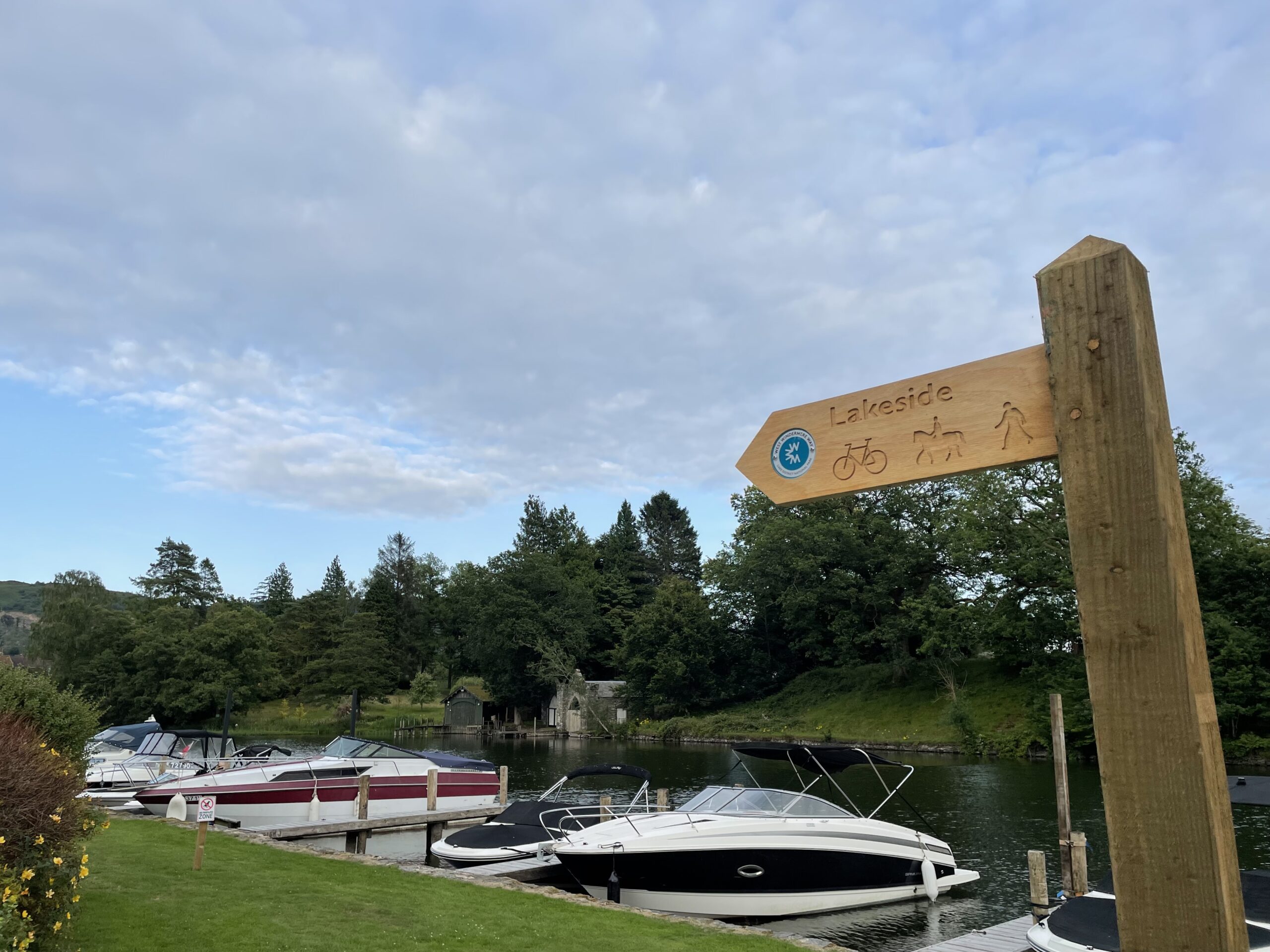
Important vocabulary
tourist, tourism, erosion, access, attraction, environmental impact
Discussion starters and questions
- What season is it likely to be?
- What do you think the positive and negative effects of all these people to the area might be?
- Are there competing uses for the lake?
- What facilities do you think there might be for tourists in nearby Bowness?
- What impacts do the ferry boats have on the lake and the other lake users.
- What might people be saying to each other?
- Use five words to describe the landscape
- Imagine what the lake shore would look like if no humans had visited it, what differences would there be?
Find out more about tourism in the Lake District
Tourists from all over the world visit the Lake District National Park for its spectacular scenery, wildlife, history and culture. Tourism is vital to the economy of the area, providing employment and supporting services in local communities.
Tourism is the main source of income for Lake District economy. Tourism brings great benefits to the area. Visitors spend money on accommodation, food, drink and leisure activities and indirectly support other business such as wholesalers and the building trade.
-
- There were 17.45 million tourists to the Lake District in 2025
- There were 29.55 million tourist days (spending more than three hours) in the Lake District in 2025
- Direct Expenditure for the Lake District in 2025 was £1.784 billion
- Economic Impact for the Lake District in 2025 was £2.396 billion
Source for all figures: Cumbria Tourism
Like all of our National Parks, the Lake District is meant to be for everyone. We are working to ensure that the area is accessible to anyone who wishes to make use of it. Initiatives include:
- Guided walks which welcome people with limited mobility or sight problems
- Footpaths suitable for wheelchairs and pushchairs – find out more in our Miles without Stiles section
- Taking our message to community events such as Preston Mela
Tourism in the Lake District began in the late eighteenth century. Before then it was considered a wild and desolate place. In 1724 Daniel Defoe described the area as “the wildest, most barren and frightful of any that I have passed over in England”.
Eighteenth century visitors
In 1778 Father Thomas West published ‘A Guide to the Lakes’ in which he recommended the best spots for visitors to stand and admire the landscape. Before long, the writings of poets such as Wordsworth, Southey and Coleridge were promoting the beauty and splendour of the landscape to a nation eager to escape the growing cities.
In 1820 William Wordsworth published his own guide book ‘A Guide through the District of the Lakes in the North of England’ which sold rapidly and encouraged many more visitors. Political problems in Europe also meant that wealthy tourists, who might otherwise have done a grand tour of the great cities of Europe, were looking for opportunities to travel closer to home.
Daytrippers ahoy!
The “working classes” soon joined the ranks of holiday makers, as improved working conditions led to a shorter working week, increased wages and paid holidays. The railway reached Windermere in 1847 followed by further lines to Keswick and Lakeside at the south end of Windermere. These allowed many more people from a wide range of social classes to visit on day trips from cities including Manchester, Liverpool and Newcastle.
Improvements in the roads, widespread car ownership and rising standards of living led to ever increasing numbers of visitors from the 1960s.
Over 18 million tourist visited the Lake District in 2023. Such large numbers of visitors bring both great advantages to the area along with some big challenges.
Positive impacts
- The needs of tourists create new jobs
- Tourists support local shops and products
- Money from tourists can be used to conserve and improve the area
- Services for tourists benefit local people, for example public transport and roads
- Local people value and care for the environment
Negative impacts
- Jobs in tourism are often seasonal and wages are low
- Prices rise in shops as tourists have more money to spend
- Shops cater for the requirements of tourists not local people
- Large numbers of tourists can damage the environment. For example footpath erosion – take a look at Fix the Fells
- Demand for holiday homes pushes up house prices for local people. Read more in Affordable housing
- More pollution and litter
- More traffic congestion and parking issues
- More pressure on infrastructure such as sewage systems, roads and facilities.
Sustainability is at the core of all we do as National Park Authority. Our vision, agreed by all our partners, states that “The Lake District National Park will be an inspirational example of sustainable development in action.”
We want a tourism industry that is successful and profitable and protects the local environment and culture.
We want to:
- sustain the landscape, wildlife and cultural heritage which have always attracted visitors.
- improve the visitor experience by providing better services such as information, public transport and improved public toilets
- improve access to the countryside and water
- provide more opportunities for adventurous activities and things to do when it is raining
- offer local food and crafts distinctive to the area
- ensure that good quality accommodation is available at a wide range of prices
Useful links:
- Sustainable tourism
- STEM resource – for teachers aimed at top end KS2 and KS3 to promote STEM skills, in the classroom or as homework. Students complete five challenges looking at sustainable travel to and around the Lake District National Park. Classroom ideas, data, activity templates and answers are all included.