
The Lake District’s Wild Deer Management Strategy
To address the challenges, land managers in the Lake District are working towards regulating deer populations at sustainable levels. The Lake District Wild Deer Management strategy promotes evidence‑led, collaborative and adaptive management, bringing together landowners, environmentalists, deer stalkers and deer experts to protect the landscape while safeguarding the welfare of deer for the future.
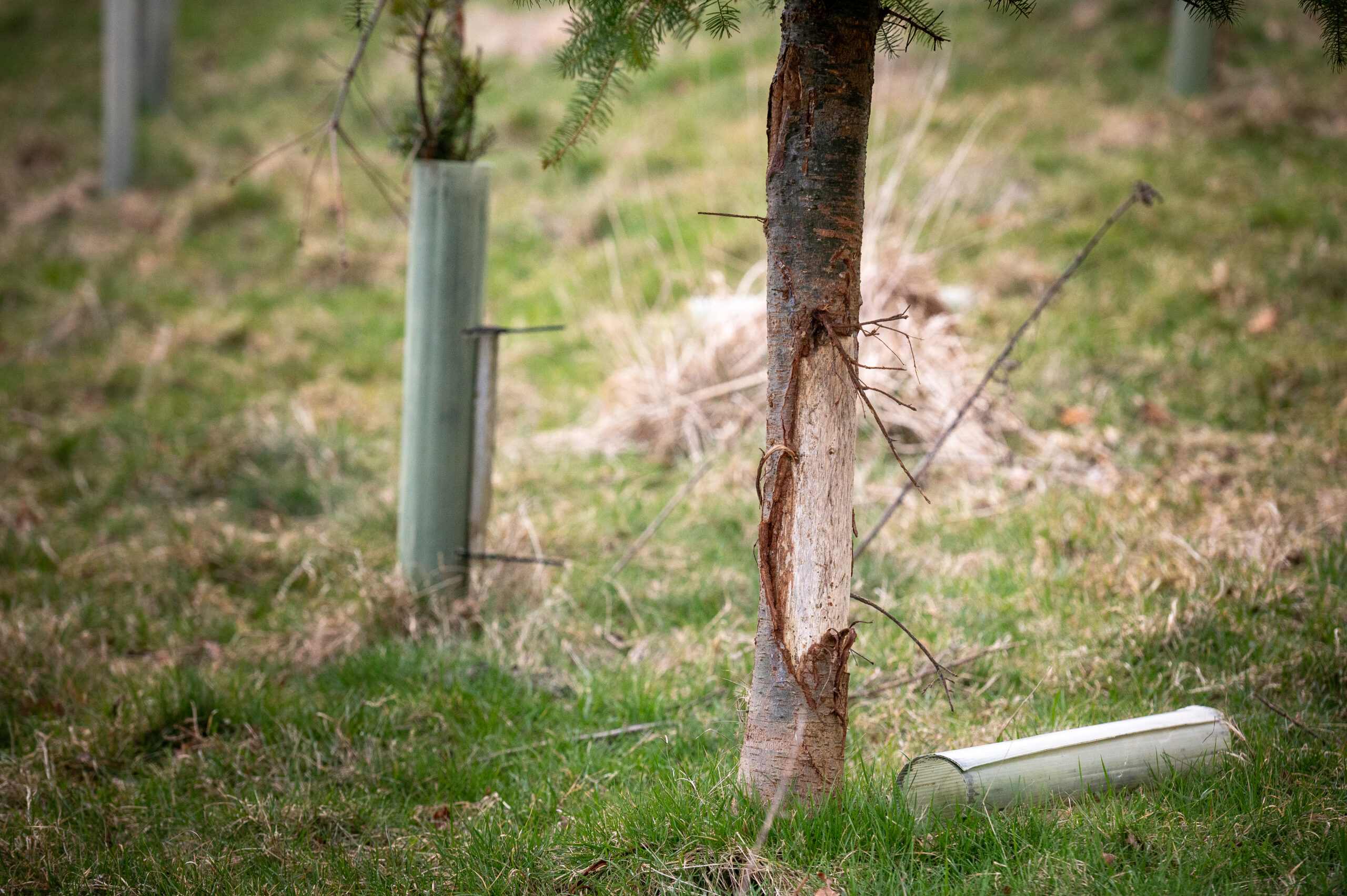
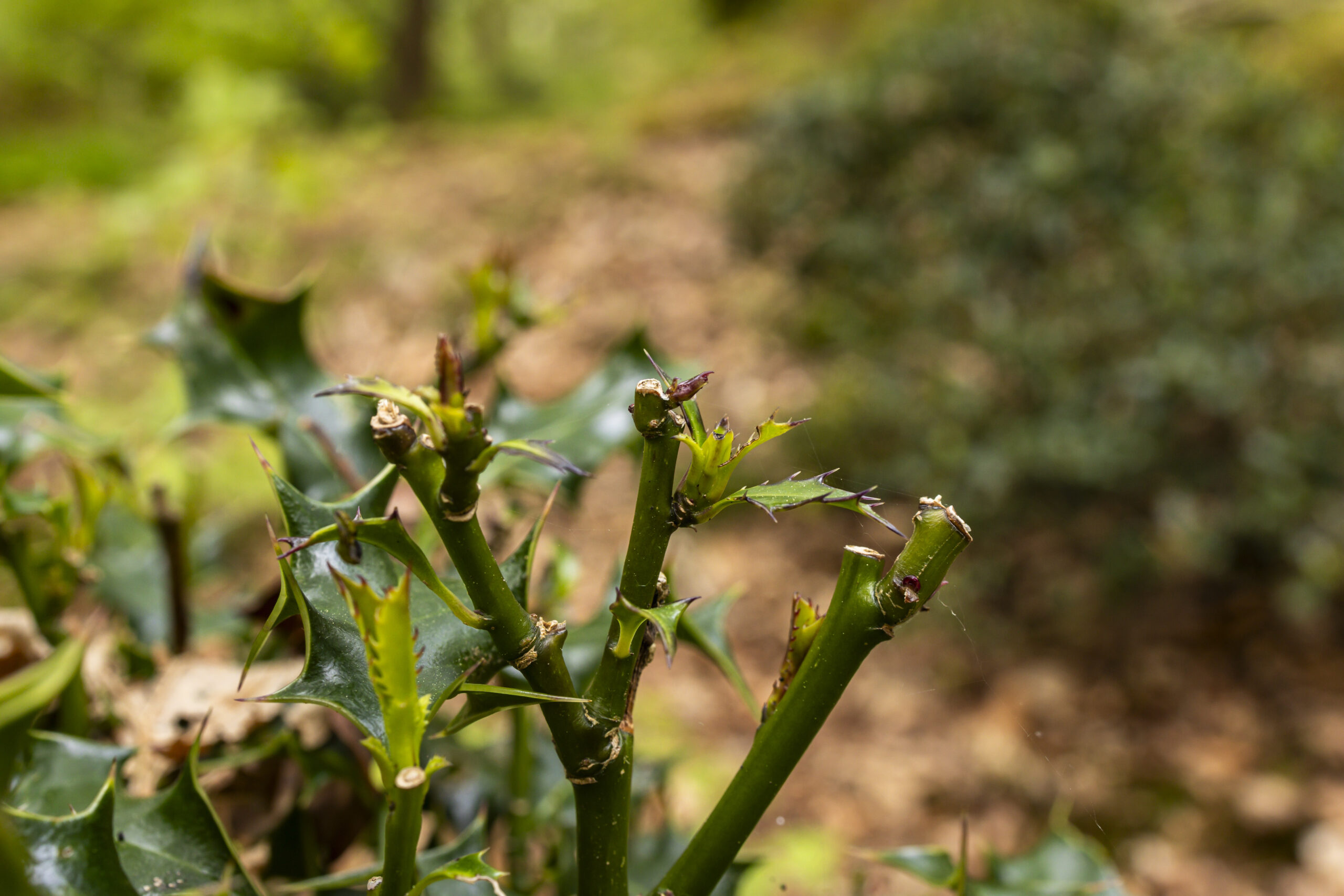
Nationally there is increasing evidence demonstrating the negative impacts wild deer have on the natural diversity of habitats, economy and health and safety, including:
- Damage to woodland plants and stock and the additional costs of protecting trees and shrubs from deer.
- The reduction of woodland bird abundance and changes to small mammal and invertebrate assemblages.
- Increase in deer related vehicle collisions, some of which result in human injuries or fatalities.
- Transmission of diseases to other deer and cattle, including carrying the species of tick that can transmit Lyme disease and encephalitis in humans.
- Damage to agricultural, horticulture and timber crops, parklands and gardens.
This strategy has been developed by the Lake District Wild Deer Management Strategy Steering Group made up of representatives from the Lake District National Park Authority, Natural England and deer managers from Forestry Commission, Forestry England, North Lakes Red Deer Group, Cumbria Connect, National Trust, and United Utilities.
Five themes of the strategy
Communication |
We will work together to share clear, joined-up messages that help build understanding and awareness of deer management across the Lake District |
Collaboration |
We will support closer working between Lake District landowners, farmers, deer managers and stalkers to deliver deer management at a landscape scale. |
Data and evidence |
We will strengthen the local evidence base by sharing knowledge, research and practical techniques across the Lake District, including tools such as drone surveys and ground impact assessments. |
Adaptability |
In the Lake District, we will bring together local experience and scientific evidence to support a flexible, practical and impact-focused approach to deer management. |
Lake District venison brand |
We will support the growth of a strong local venison market by encouraging initiatives that promote Lake District venison to the highest standards of welfare and quality. |

Research and monitoring
Monitoring wild deer in the Lake District presents many challenges, such as the complex and difficult terrain, extent of territory, and the paradox of weather (bad weather stops work due to poor visibility and good weather encourages more people, leading to more disturbance).
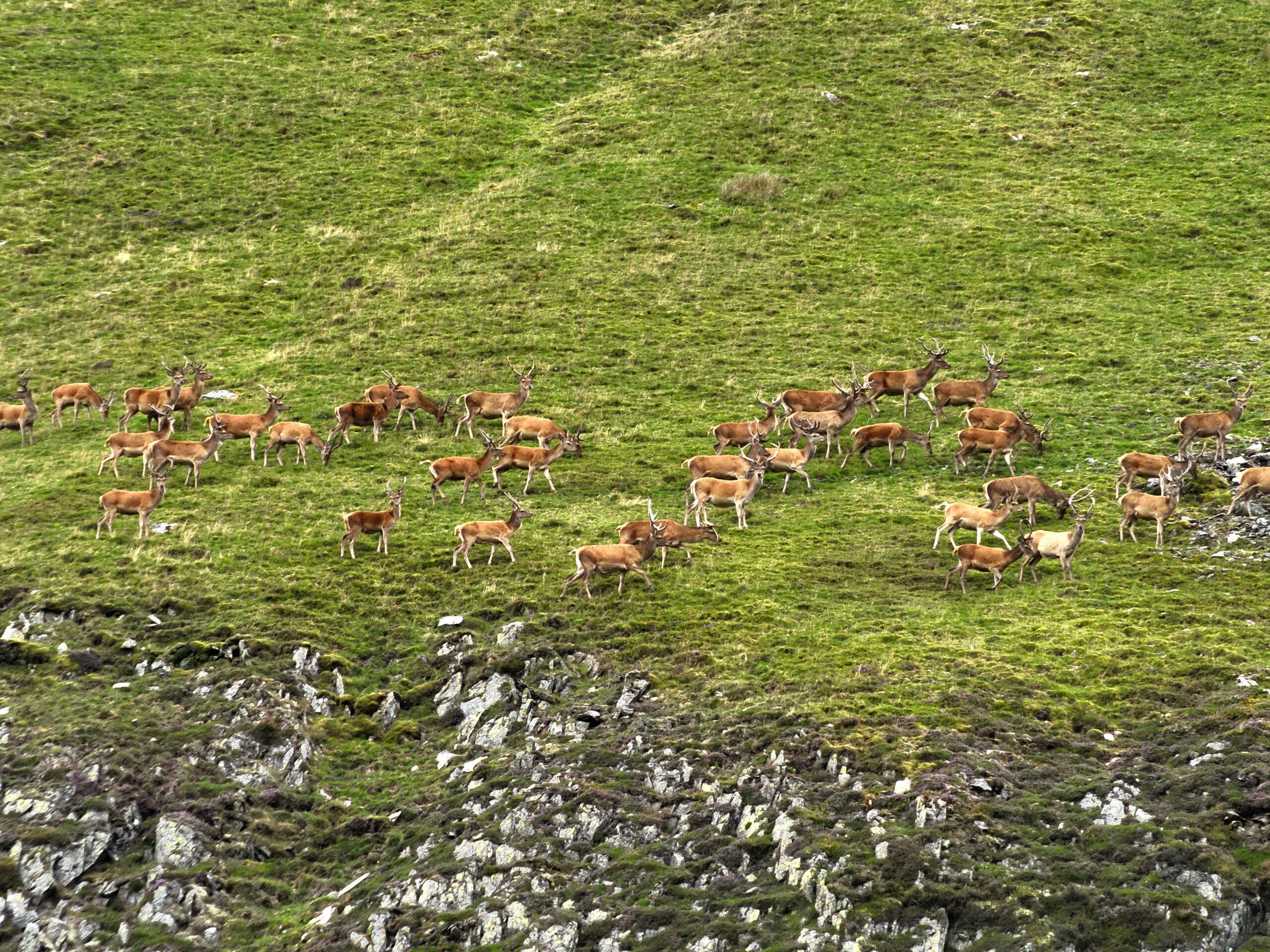
Drone data is proving to be a useful tool in estimating deer density and understanding distribution at landscape scale. Drone surveys can sometimes collect more precise data on deer numbers and spatial concentrations than the traditional foot counts. They can cover large areas in a shorter timeframe and access hard-to-reach locations with minimal disturbance, therefore expanding the geospatial scope of surveys.
Image credit: BH Wildlife Consultancy
Types of wild deer
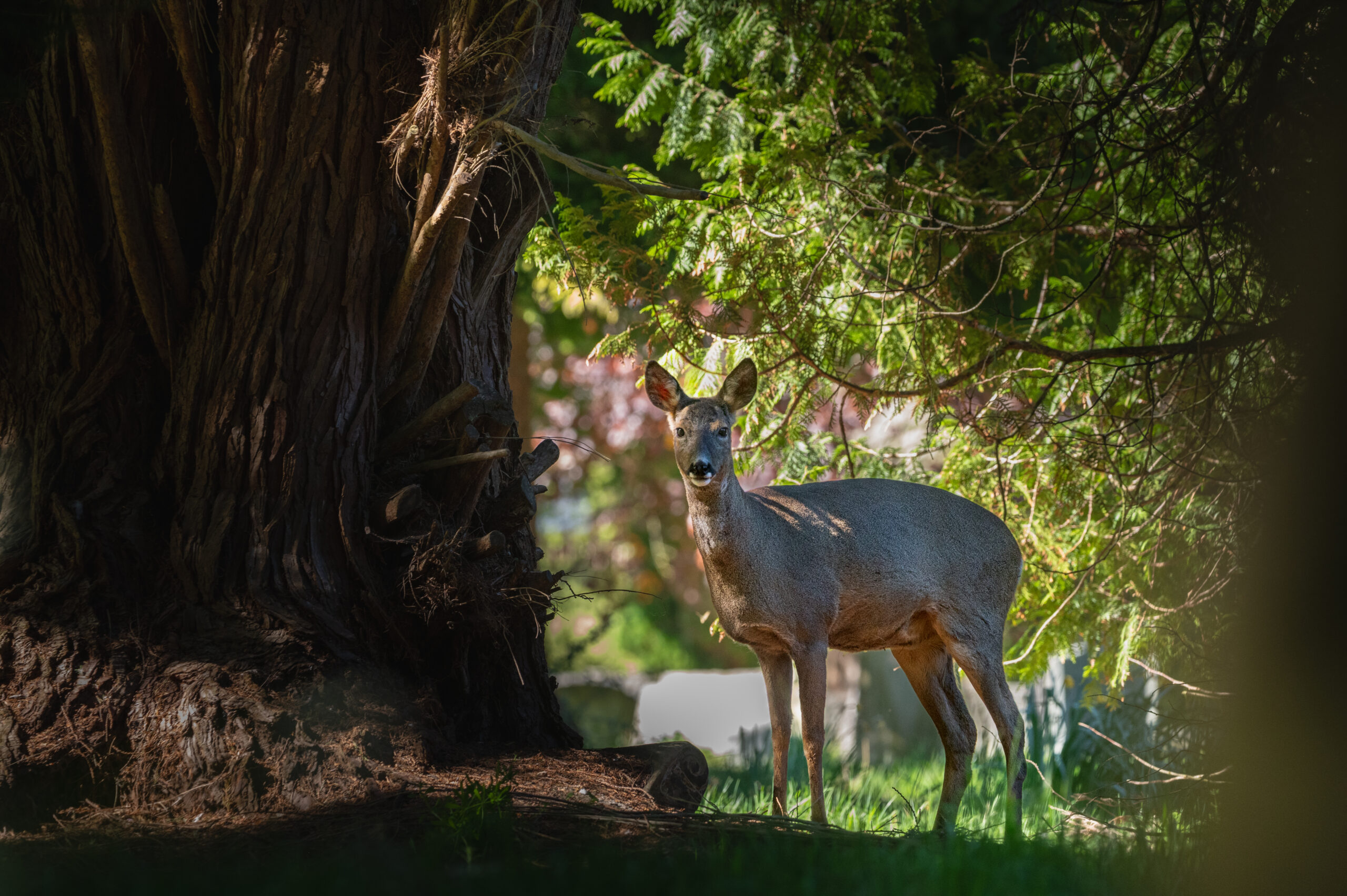
Wild deer are not officially “owned”, and their transitory nature means they are free to roam across the landscape, unless impeded by deer fencing, railways or roads. There are five species of wild deer that exist within the Lake District National Park. Red and Roe deer are regarded as native species; whilst Sika and Fallow deer (Fallow deer are often referred to as naturalised) are classed as introduced species and their distribution is considerably less and restricted to the central and southern areas of the Lake District. Muntjac deer, introduced into the UK from China in the 20th century are increasingly observed in the Lake District and Cumbria.
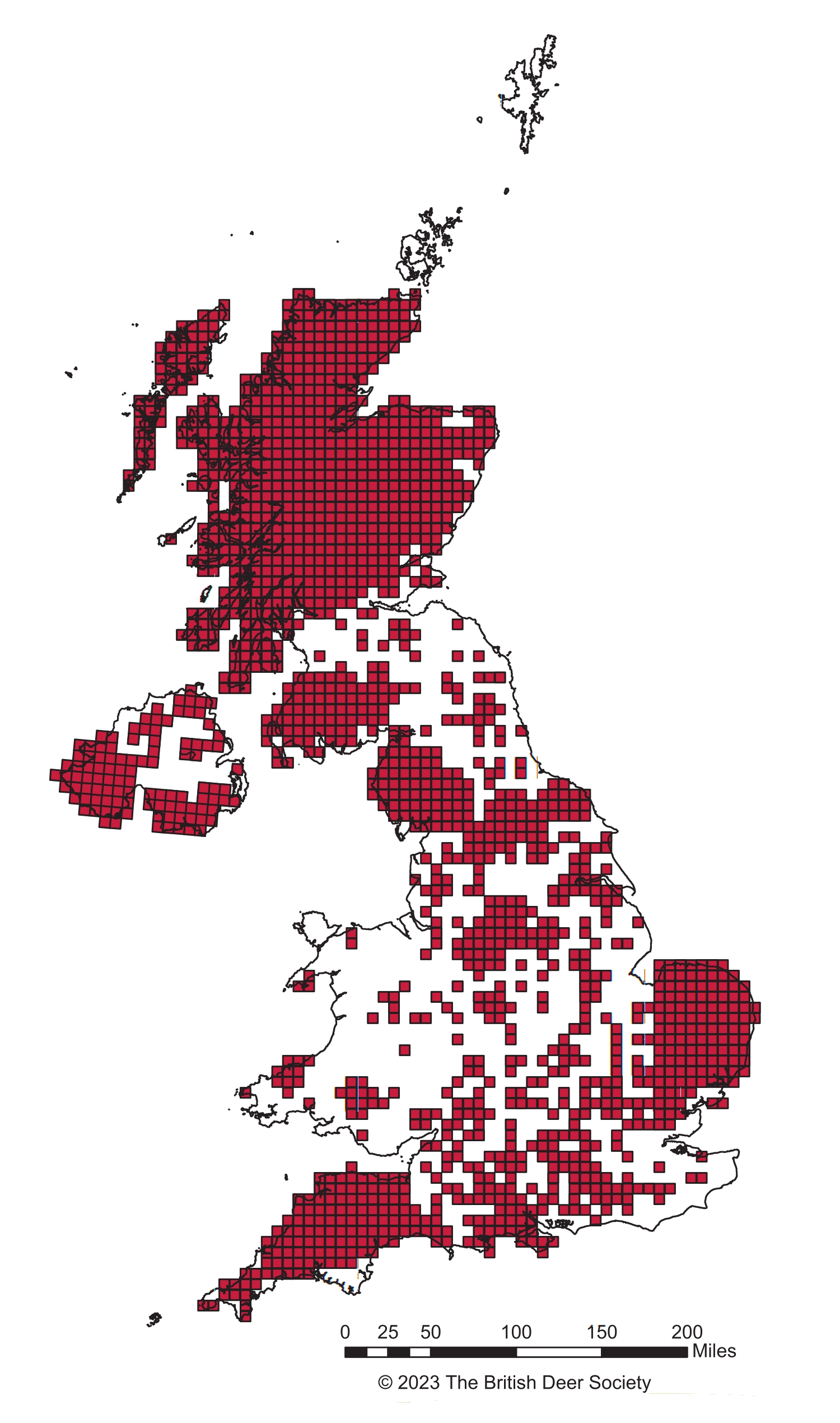
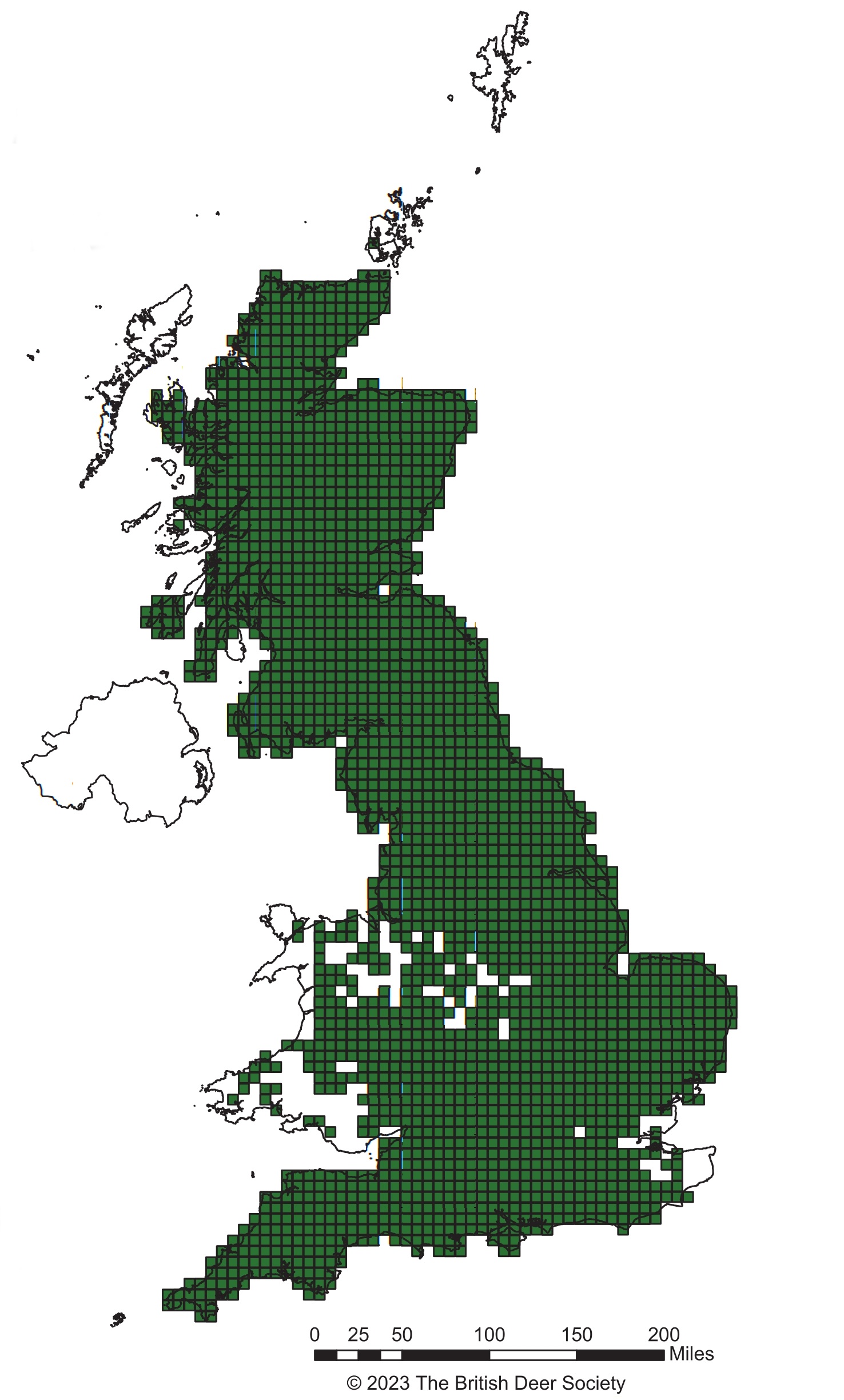
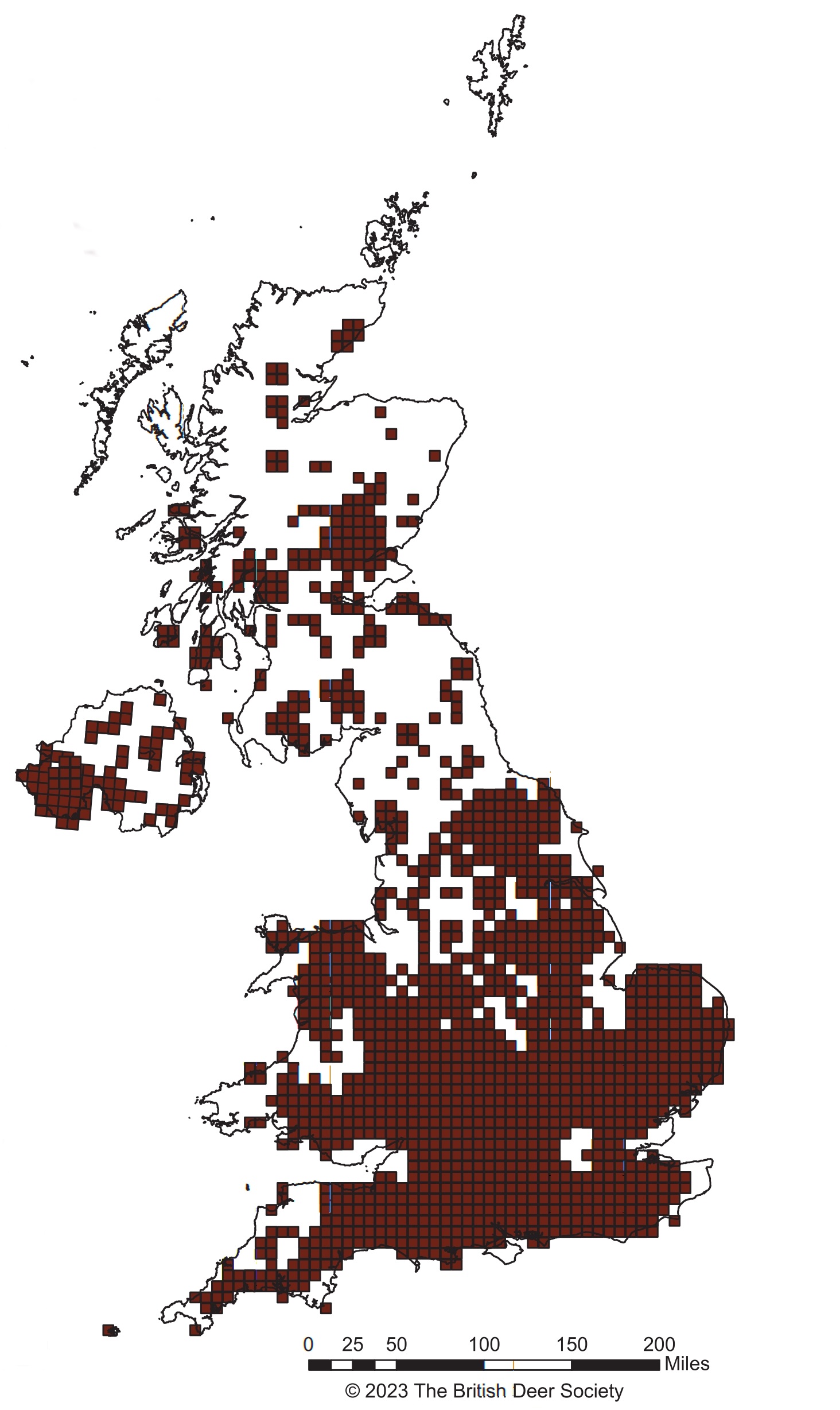
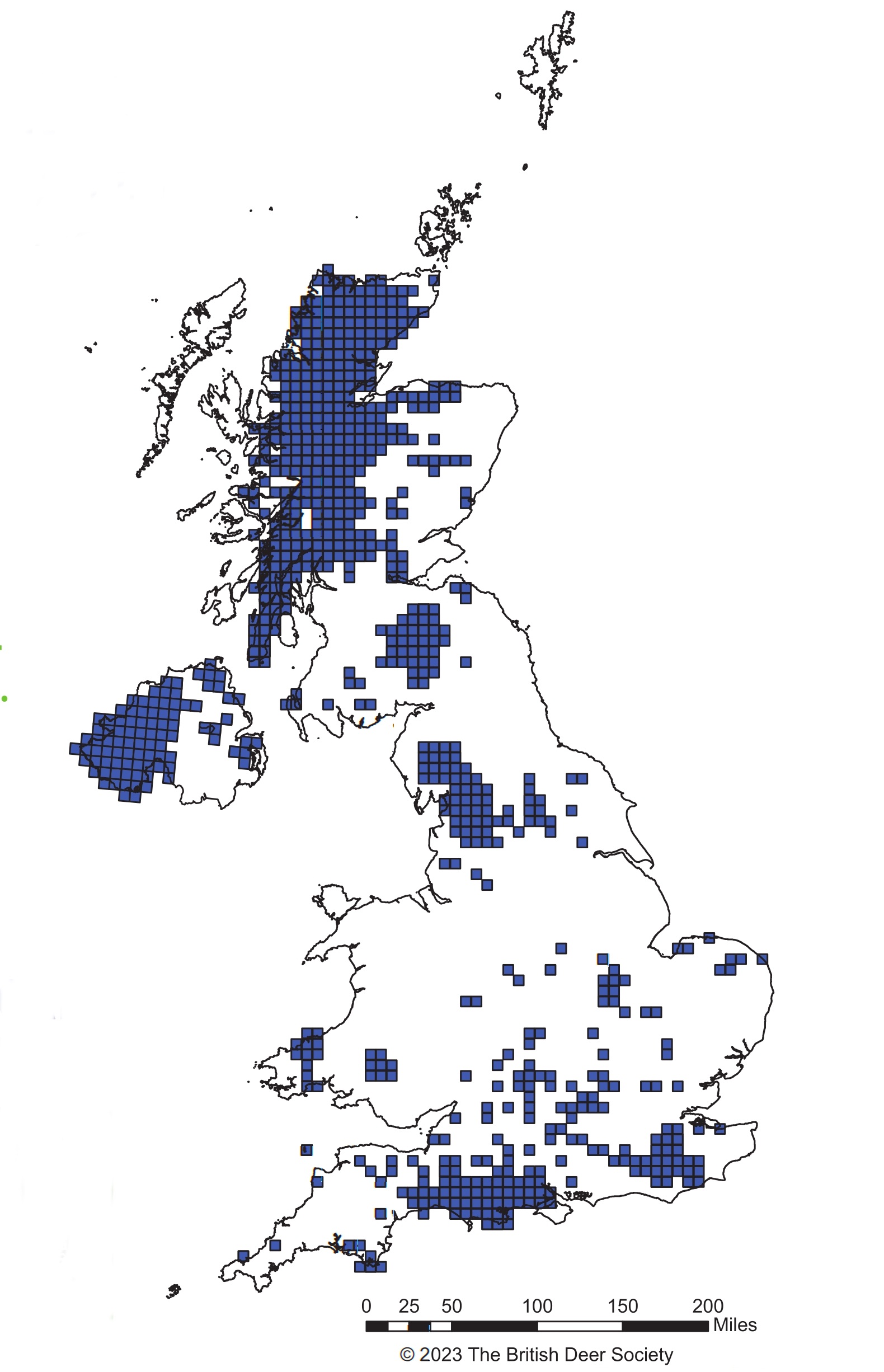
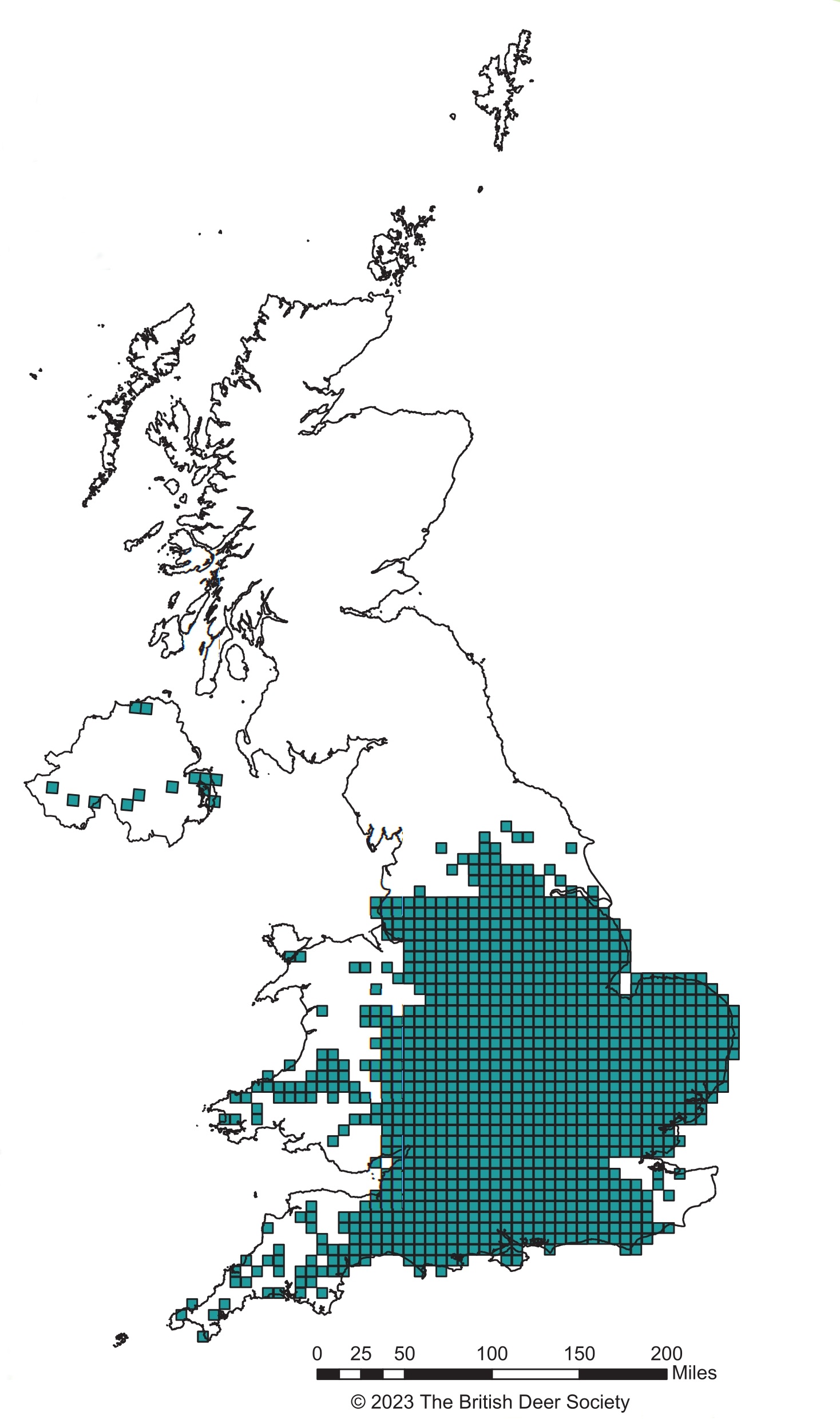
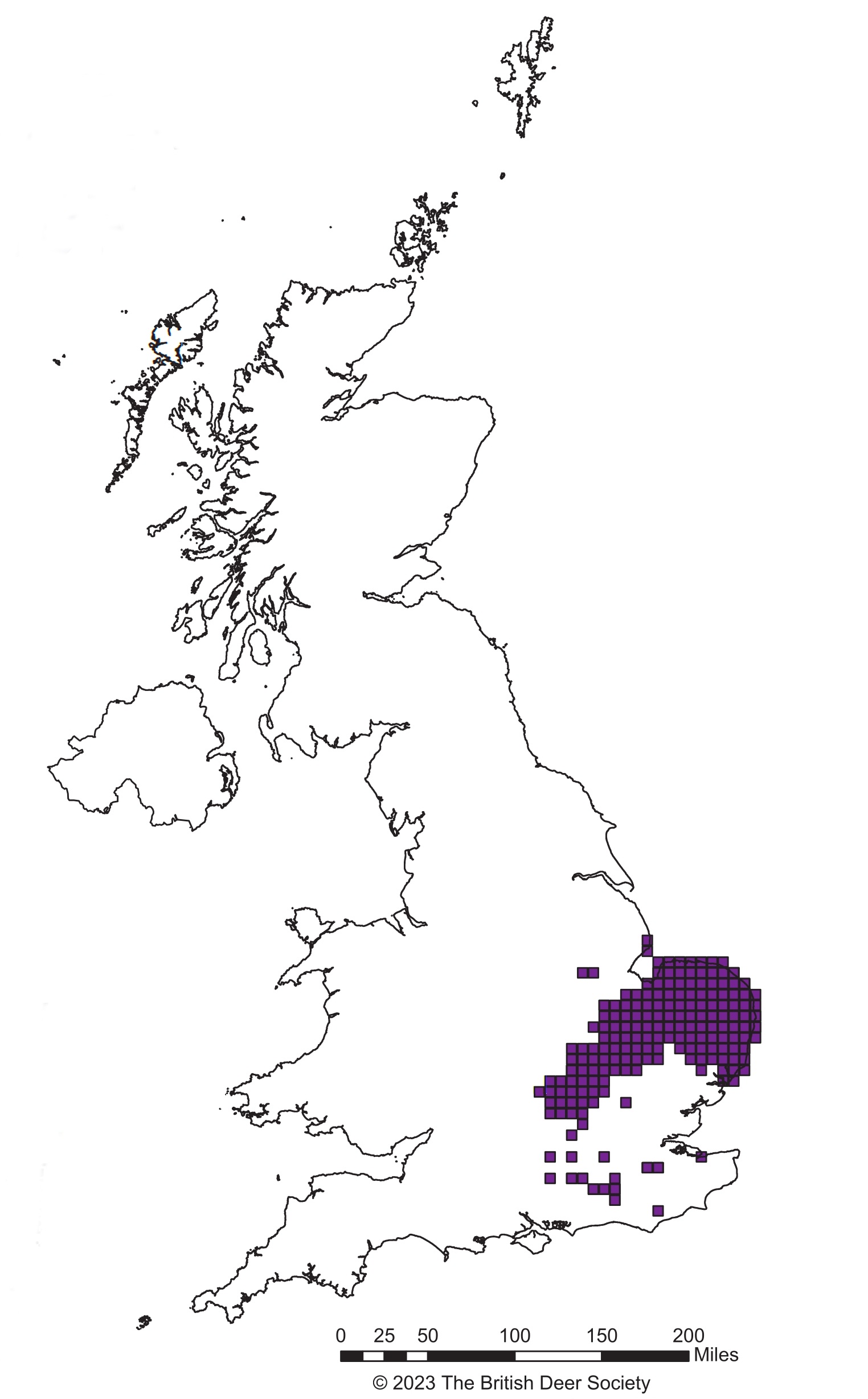
Map credit: The British Deer Society
Lake District habitats
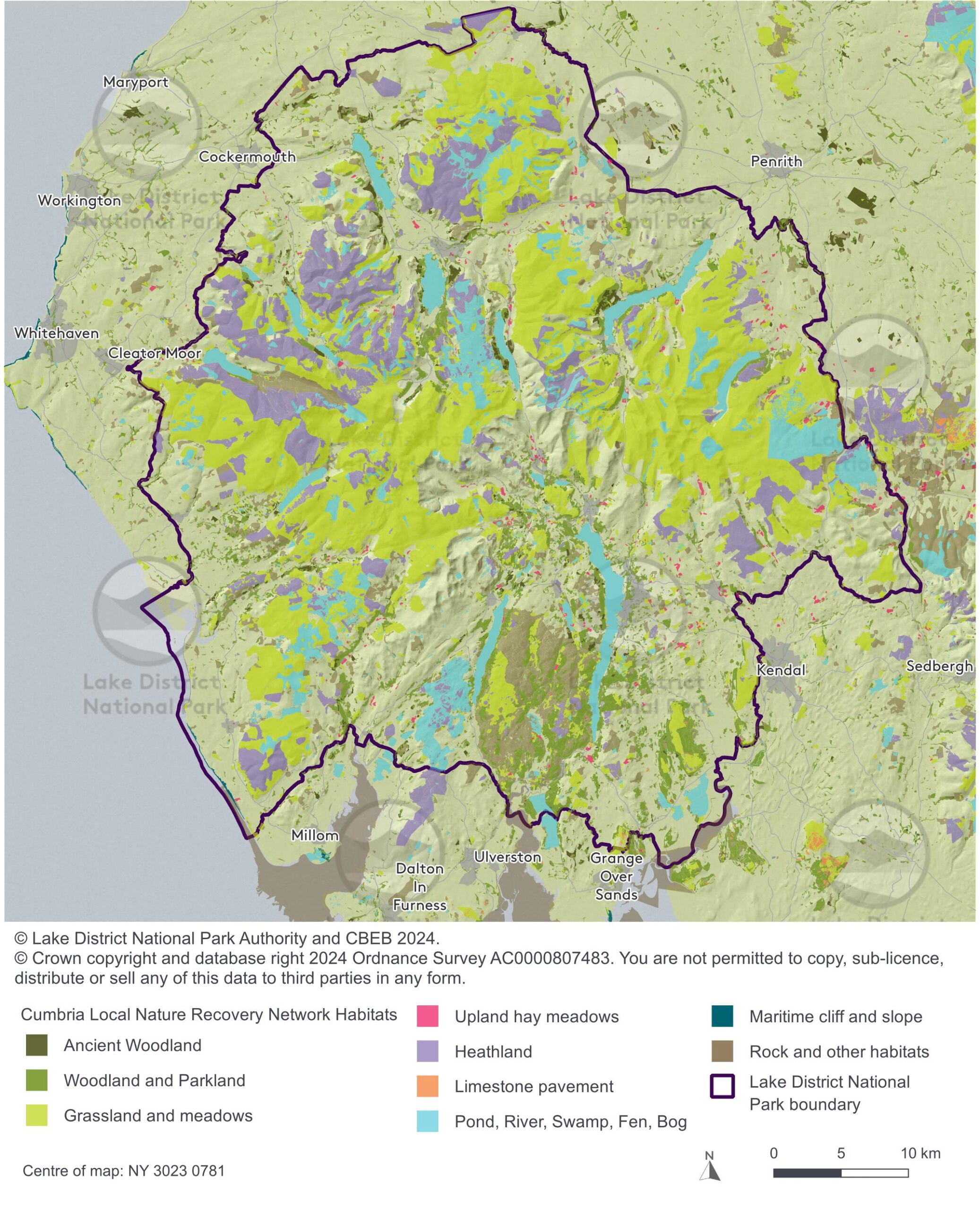
Cumbria Local Nature Recovery Network Habitats
Lake District Wild Venison brand
The Lake District Wild Venison brand brings together land managers, stalkers, processors, butchers and chefs around shared standards, reliable infrastructure and fair pricing to help create a stronger, more trusted supply of Lake District wild venison. Lake District Wild Venison adds value to responsibly managed wild venison through trusted provenance, local identity and a recognised mark of sustainable landscape management.
Visit our Lake District Wild Venison page to find out more, information on how you can use the brand, and express interest.
Frequently asked questions
Native red and roe deer are, without doubt, an important part of the Lake District landscape, contributing to its rich cultural and natural heritage. However, over the last century populations have grown significantly across the UK, and in the Lake District the rising numbers present significant increasing environmental and land management challenges which, if unchecked, will present serious problems.
This includes serious damage to woodlands and sensitive habitats, as deer browsing and trampling prevents trees from regenerating, damages soil structure and reduces biodiversity. High deer densities are also linked to increased road traffic accidents, damage to crops and gardens, and the spread of ticks that carry livestock and human diseases.
To address these challenges, land managers in the Lake District are working towards regulating deer populations at sustainable levels.
Non-lethal methods of deer management, such as fencing and deterrence, are limited in their scale and effectiveness, and alone they cannot currently control deer populations at landscape-scale. However, the wild deer strategy encourages the use of these methods alongside culling as part of an adaptive management approach, which is data and evidence-led, impact-focused and proportionate.
A key part of the five-year action plan is to support training of deer management and processing skills for local deer stalkers, deer managers and farmers. Humane control of deer management has been pioneered by training led by the British Deer Society, and the training involves best-practice guidance, an understanding of biology and behaviour, use of appropriate tools and a commitment to minimise suffering.
The Lake District Wild Deer Management Strategy Steering Group is made up of representatives from Natural England, Forestry Commission, Forestry England, North Lakes Red Deer Group, Cumbria Connect, National Trust, United Utilities and facilitated by the Lake District National Park Authority. Representatives from these organisations with either expertise or statutory responsibility have been involved in the development of the Wild Deer Management Strategy.
A wider stakeholder group has been consulted throughout the process and includes local landowners, land managers, deer stalkers, deer management groups, farmers, and other interested parties.
The Lake District Wild Deer Management Strategy sets out an approach to the management of deer in the region and encourages a collaborative landscape scale approach through knowledge-sharing and partnerships. This is an important component of the strategy as wild deer move across landscapes and landownership boundaries, and effective management requires collaboration between many stakeholders.
The strategy recommends advising and supporting landowners, land managers and farmers on deer impacts and sustainable populations and signposting to existing agri-environment schemes and funding streams. It also advises the development of a best practice toolkit on how to set up a landscape-scale landowner collaboration and encourages collaborative deer control days, as well as identifying and supporting opportunities to improve training to help increase the number of well-trained deer stalkers and deer managers.
The Lake District Wild Deer Management Strategy aligns with the Government Policy Statement on Deer Management as below.
Shared principles: Both documents promote sustainable, evidence‑based deer management to improve biodiversity, protect habitats and reduce negative environmental impacts.
Complementary roles: The national strategy sets the overall framework, while the Lake District strategy translates this into practical, action for the Protected Landscape.
Local delivery: The local strategy reflects the Lake District’s unique agro‑pastoral systems, hefting and cultural landscape, ensuring implementation supports both nature recovery and traditional practices.
Contribution to national targets: Local monitoring, training, venison market development and collaborative management directly support national objectives on ecological condition, climate resilience and rural economy.
Partnership working: The Lake District approach relies on cooperation between land managers, commoners, agencies and organisations aligning with the national emphasis on coordinated delivery.
Five species of wild deer are present in the Lake District. Native red and roe deer are the most widespread, but sika, fallow and muntjac deer — all introduced species — are also found in the area, with muntjac increasingly being observed across Cumbria.
Non-native species pose significant problems for native ecosystems, forestry and woodland biodiversity. Of particular concern is the risk of hybridisation between red and sika deer, which threatens the genetic integrity of the Lake District’s native red deer herd — thought to be one of the purest in mainland Britain. Muntjac deer are also spreading northward and, if left unmanaged, could extend their range further into the National Park.
The strategy sets out specific actions to prevent the further spread of non-native species, monitor for signs of hybridisation, and manage populations of sika and muntjac towards suppression. Protecting the genetic integrity of the native red deer herd is a priority, and deer management groups are actively working to prevent red-sika contact along the border with the Western Dales.
Venison from culled deer is a nutritious, high-quality food — low in cholesterol and saturated fat and a rich source of lean protein. As a product of responsible deer management, wild venison also supports the rural economy and local supply chains.
A Lake District wild venison brand is currently being developed by the Lake District National Park Authority and partners. The aim is to ensure that meat sourced through responsible population management is sold locally as high-quality, traceable produce, giving consumers confidence in the origins and welfare standards behind what they buy. The strategy supports the development of local processing capacity, additional shared larders, and new routes to market including hotels, restaurants and farm shops.
The strategy is built on a foundation of data, evidence and accountability. Each of the five themed goals in the action plan has its own defined outcomes and measures of success, which will be reviewed annually by the Steering Group.
Monitoring tools include thermal drone surveys to track deer density and distribution across the landscape, habitat condition assessments to measure changes in browsing pressure, and deer impact assessments to understand how management activity is affecting the recovery of sensitive habitats. Traditional foot counts and trail camera networks continue to play a role alongside newer technology, providing detailed ground-level information.
Key indicators of success include sustainable native deer populations established in core nature recovery areas, no increase in the range or extent of non-native species, no evidence of red-sika hybridisation, and measurable improvements in the condition of Sites of Special Scientific Interest within the National Park. Regular reviews will ensure the strategy remains responsive to new evidence and changing conditions on the ground.
Red deer in particular are an important part of the Lake District’s visitor offer, and places such as Martindale near Pooley Bridge attract visitors specifically to see them. The strategy fully recognises their cultural, historical and natural significance, and the goal of the strategy is sustainable management — not eradication.
By regulating deer populations at levels that are healthy for both the animals and the habitats they depend on, the strategy aims to ensure that native red and roe deer remain a valued and visible part of the landscape for generations to come. A thriving, well-managed deer population in good condition is itself an outcome of the strategy.
Visitors may occasionally see evidence of deer management activity in the National Park. Where this is the case, land managers are encouraged to provide clear, on-site information about why management is taking place and the benefits it delivers for the landscape and wildlife.