
Grasmere Gingerbread®
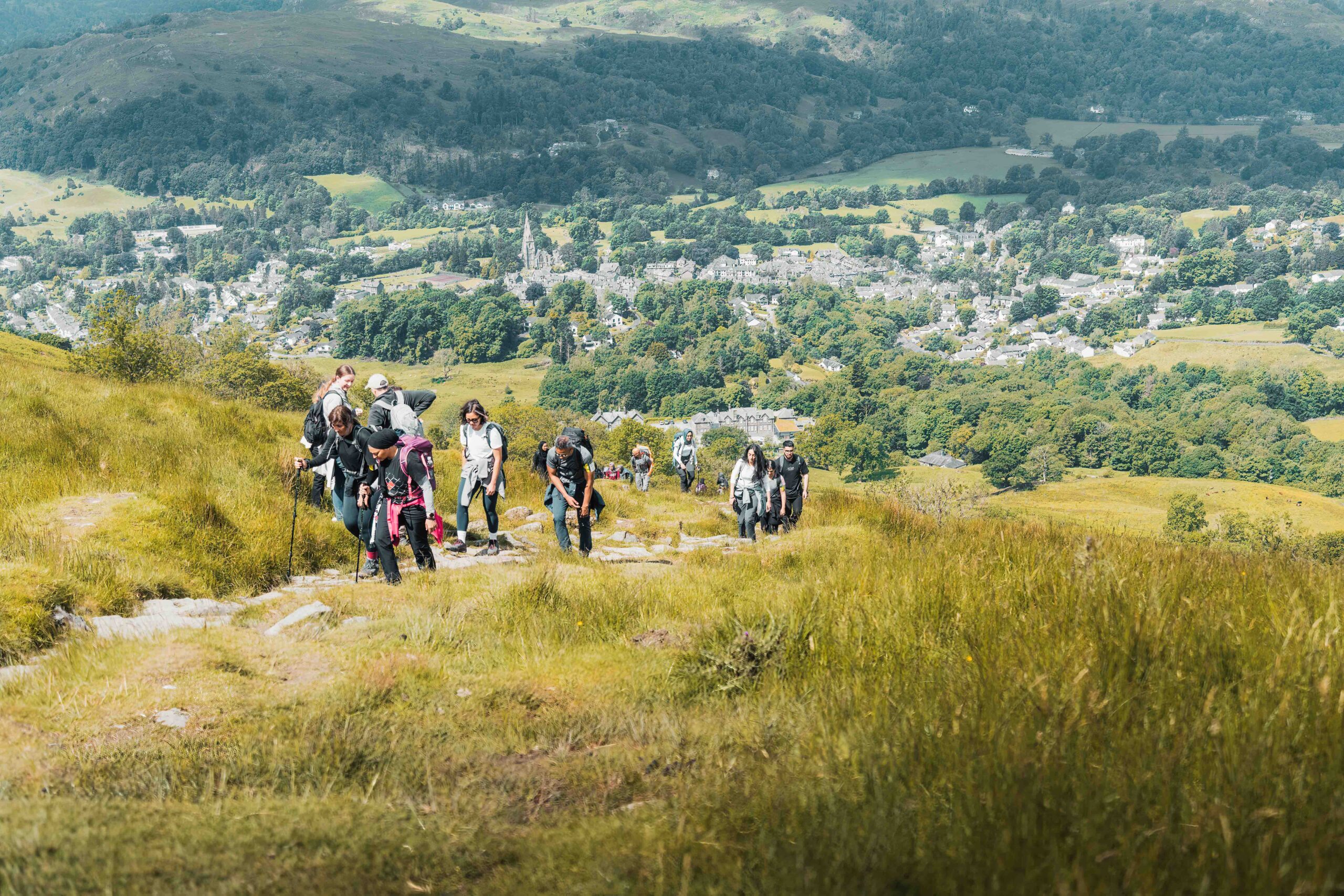
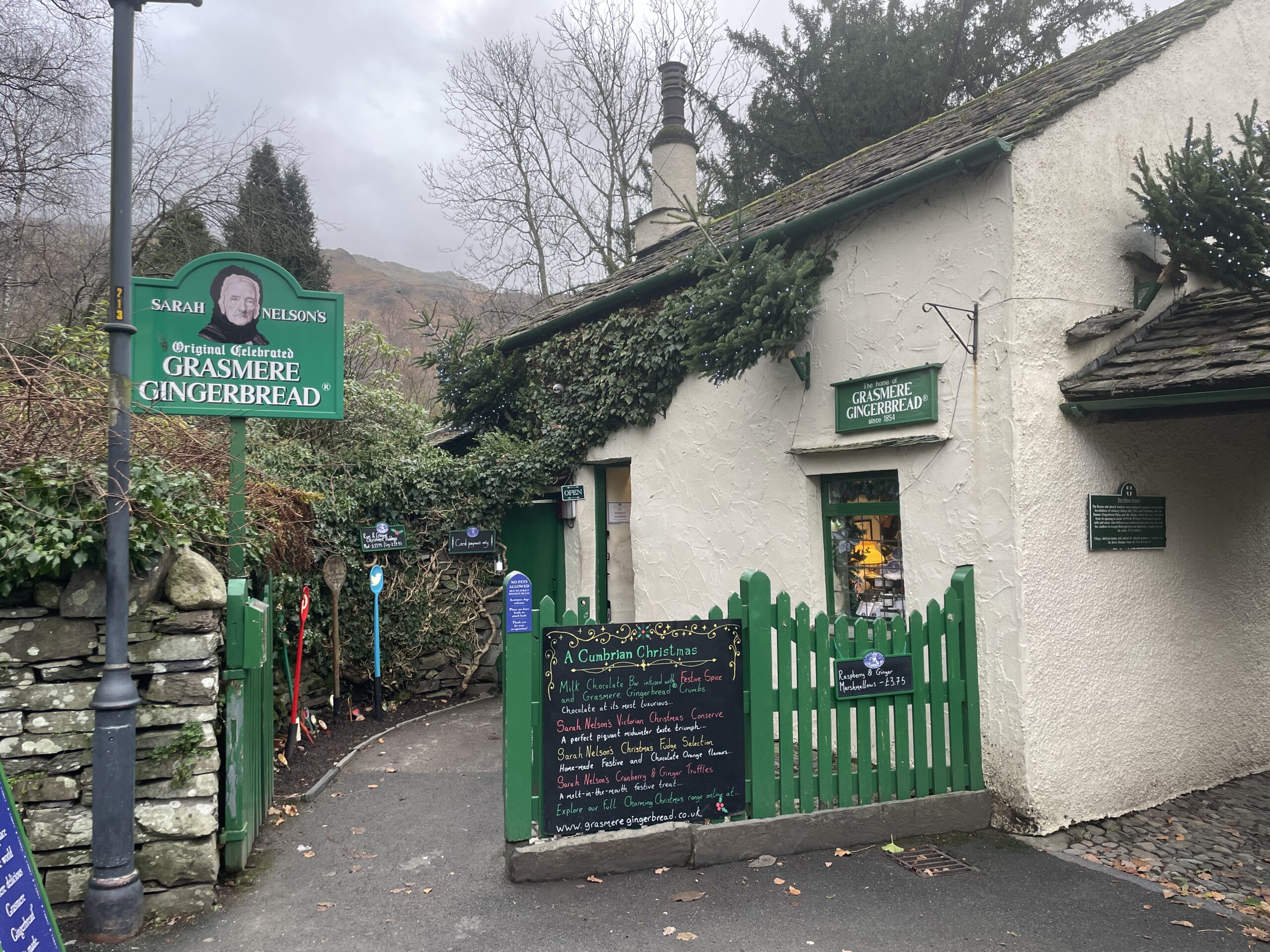
Grasmere Gingerbread® is made and sold in the village of Grasmere, one of many popular places to visit in the area. It was set up by a lady called Sarah Nelson, whose family needed to raise extra income when they moved to the house, the former village school, in 1854. The recipe is still a closely guarded secret and the taste is unique to this particular gingerbread. Some of Cumbria’s other well-known local produce includes Cumberland sausage, Herdwick lamb, Cartmel Sticky Toffee Pudding and Kendal Mint Cake.
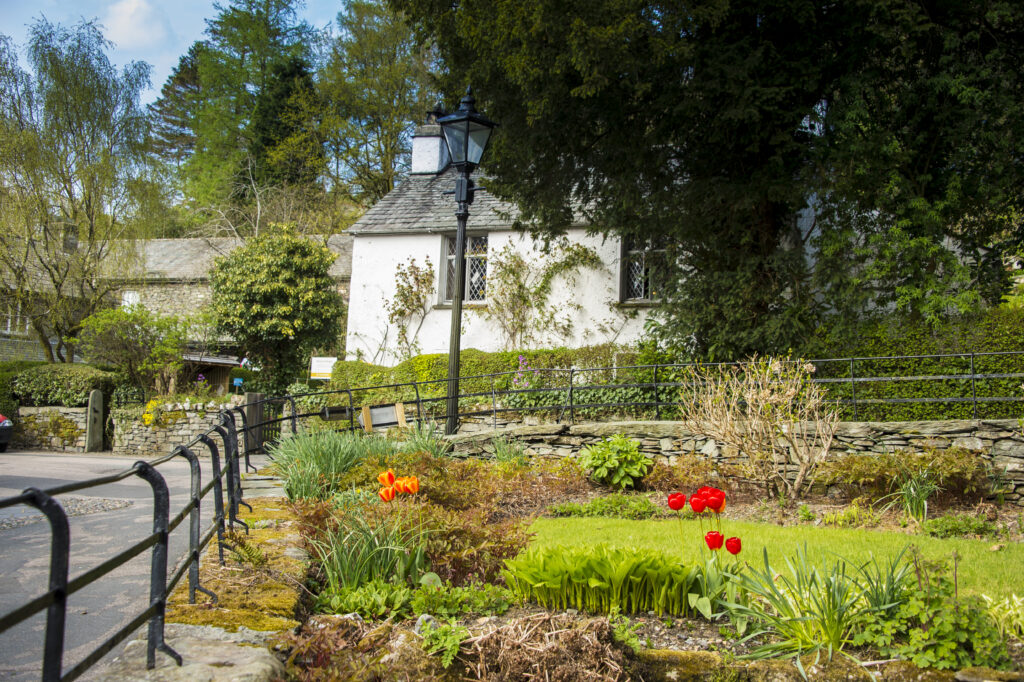
The right of the photo shows the Lych gate, traditionally the gate by which people from Grasmere would enter the church yard. The shed-like building to the right of the gate, a former coal shed, is said to be where naughty school children were locked overnight!! William Wordsworth spent most of his life living in or around Grasmere and is buried in the St Oswald’s churchyard with other family members, including his wife Mary and sister Dorothy. As well as writing poems he was also an advocate for the Lake District and together with John Ruskin was, to an extent, responsible for the early ideas which later led to the establishment of bodies such as the National Trust and National Parks. He said of Grasmere that it was ’the fairest place on earth’.
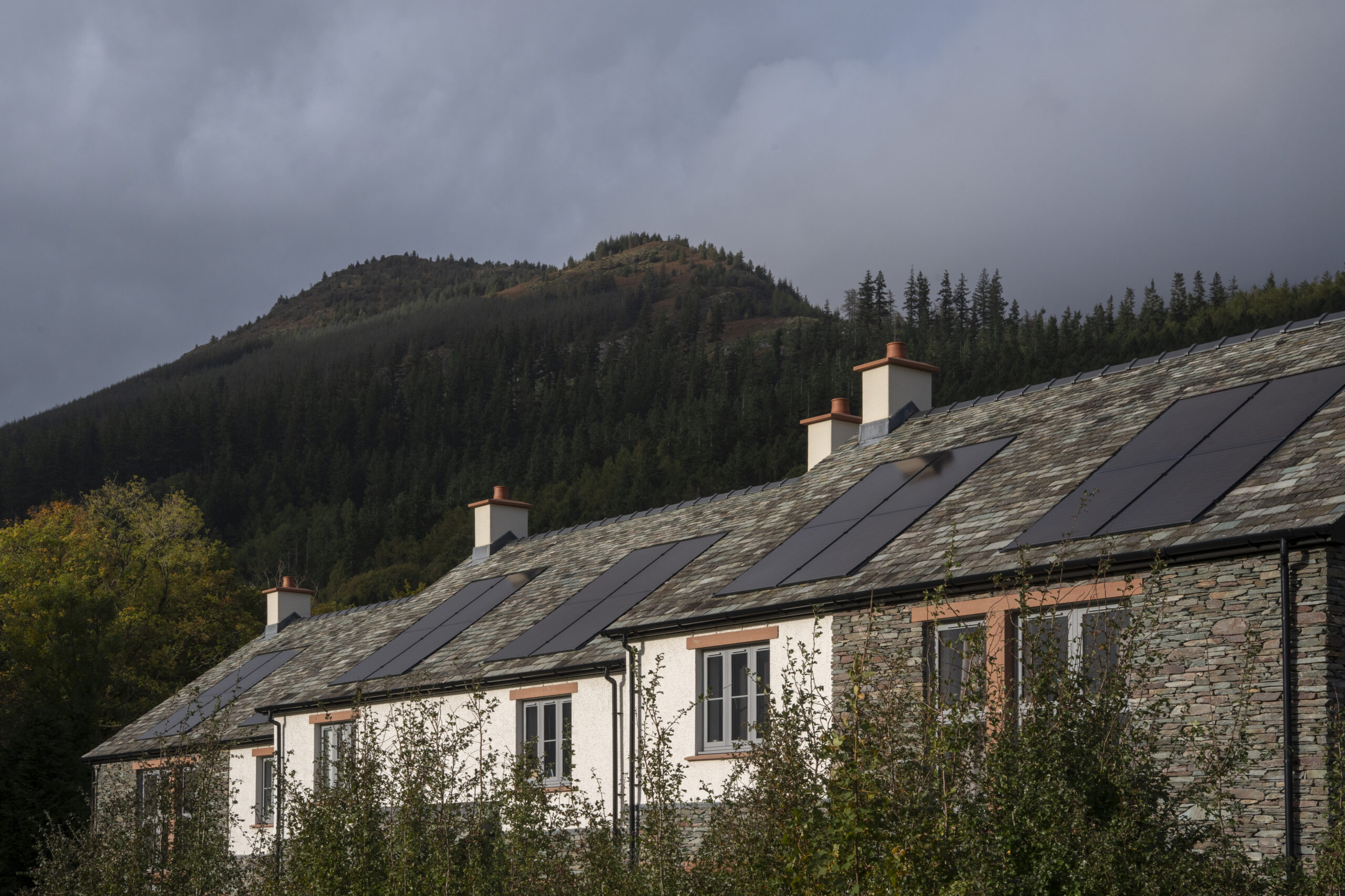
Grasmere has been designated a Conservation Area since 1984. Like many other villages in the Lake District this is a way for the National Park Authority to manage the development of the area. One of the two purposes of having a National Park is to ‘protect and conserve the natural landscape, cultural heritage and wealth of wildlife’. This will only happen if planning controls exist to keep special features that are part of the character and history of a place. Most of Grasmere’s buildings are made from the local stone (volcanic rock with red and green tinges) and roofs are covered with slate also quarried and cut locally.
Other cultural events in Grasmere include the Grasmere Lakeland Sports at the end of August. This event has been running since 1868. Sports include Hound Trails, Fell Running and Westmorland wrestling. Earlier in August the Rushbearing festival takes place; a relic from the days when reeds covering the earthen floor of the church were replaced each year.
Grid reference of Grasmere Gingerbread Shop: NY 337 075
Important vocabulary
cultural, specialty, regional, planning control, heritage
Discussion starters and questions
- Ask children to bring in a gingerbread recipe from home to compare with others.
- Have you special traditions in your family that were passed down the generations?
- What local specialities are unique to your area?
- What is different or unusual about this gingerbread?
- How can you tell the building is old?
- What is the chimney for?
- What might it be like to live here in Grasmere?
- What features of built environment make the National Park unique and worth conserving?