



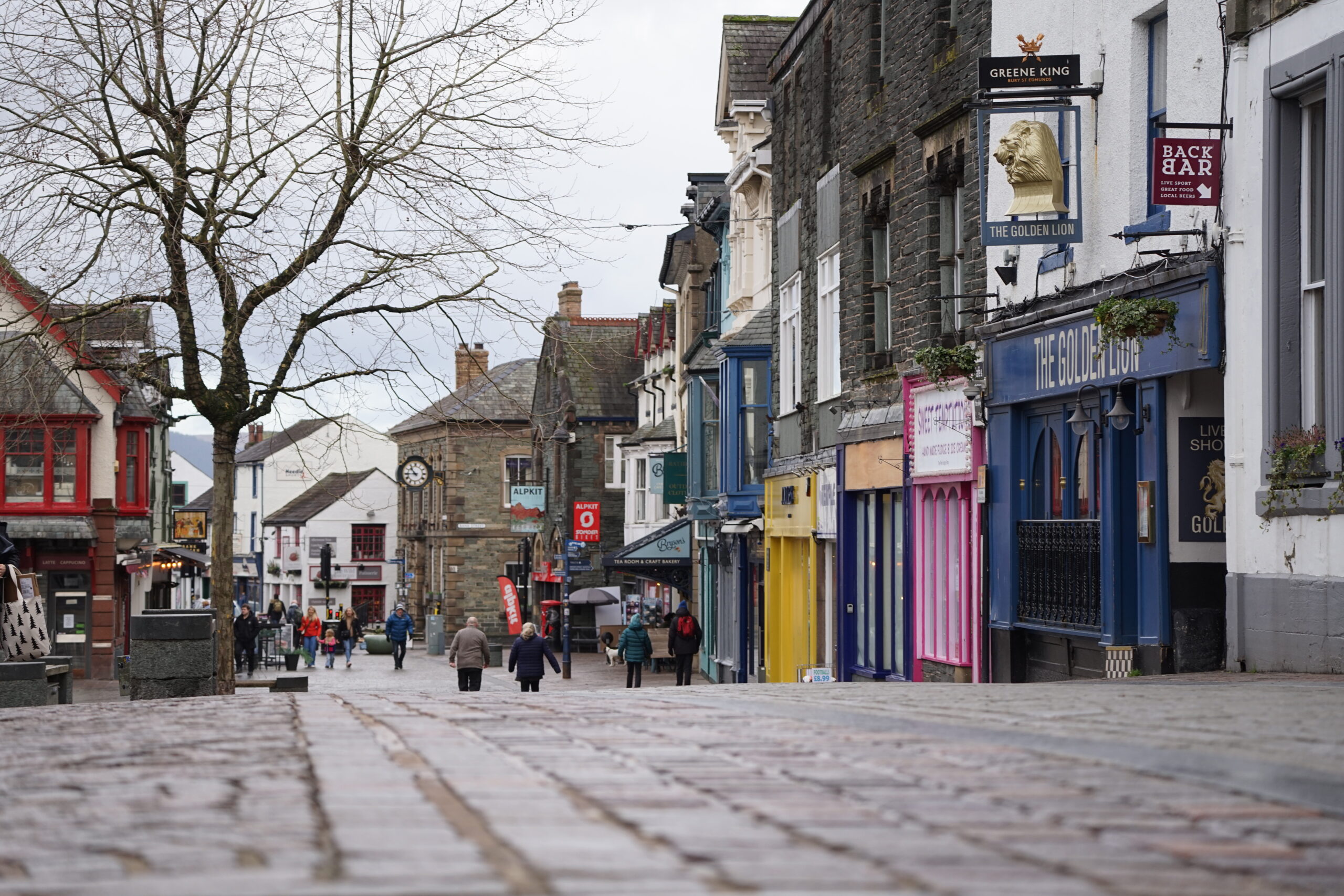
Context and character
Heritage assets
The type and level of information to be submitted with a planning application depends on the nature and impacts of the application itself. The applying for planning permission page of the our website provides guidance on what these different levels and types of information are, and when they are required.
Code
The impact of the proposal on heritage assets must be considered at the start of the design process because it determines whether you need to submit a Heritage, Design and Access Statement as part of your planning application.
The assessment must include:
- Designated heritage assets: scheduled monuments, listed Buildings, conservation areas, registered parks and gardens (details of these different assets and their locations can be found on the National Heritage List for England, the Local Plan interactive map and the World Heritage Site website).
- Non-designated heritage assets – buildings on the local list, archaeological sites, boundaries, historic street furniture, milestones, etc. (details can be found on the Historic Environment Record (HER) or the Neighbourhood Plan where these exist).
- The potential for any heritage assets not yet recorded, included below ground archaeology.
If your assessment does not identify any heritage assets on the site and the proposal would not affect a nearby heritage assets, you do not need to submit a Design, Heritage and Access Statement. If this is the case, we recommend that you consider the rest of this section to ensure design responds to its context before moving on to the rest of the code.
If your assessment identifies at least one heritage asset that would be affected by your proposal, you will need to submit a Heritage, Design And Access Statement and follow the rest of the code in this section before moving on the rest of the code.
Where a heritage, design and access statement is required, this must clearly demonstrate an understanding of the significance and setting of any heritage assets affected by the proposal. Harm to heritage assets must be avoided, where this is not possible a clear and convincing justification will be required.
The applicant must demonstrate how the design responds sensitively to heritage significance, including the use of building material, construction techniques, design cues and landscaping
The degree of detail and complexity of this assessment will depend on the size of the development and sensitivity of the site. However, it should be suitable to enable an informed planning decision and not be simply a list of sites and features.
Discussion on how the development will affect the setting of a heritage asset must be included. This goes beyond a consideration of purely visual impacts to look at how change effects the way an asset is understood and experienced e.g., impact of increased traffic on the peace and quiet of a churchyard, or the design of a farm conversion on the agricultural identity of a farmstead or hamlet.
See our guidance on Heritage Assessment and Information Requirements (2018) and Historic England’s Statements of Heritage Significance guidance for further information.
The applicant must demonstrate how the design responds sensitively to heritage significance, including the use of building material, construction techniques, design cues and landscaping.
The applicant is required to pay particular attention to how changes to the setting of any heritage asset(s) could impact significance. Note that levels of public accessibility has no bearing on the extent of setting.
Site assessment
All heritage, design and access statements should include a site assessment to further consider the physical constraints and opportunities of their site. A site assessment should include (where applicable):
- Existing structures – What is the historic value of any of the buildings on the site or in its vicinity? Are there opportunities to retain historic shopfront features, details and materials? Do any neighbouring buildings provide an inspiration of the new shopfront design?
- Existing access – is the interior floor level of the shop much higher than the pavement below? Is there scope for creating a level or sloped access into the shop? Is the existing access in the best place?
- Existing utilities – Are there existing utilities on site that will need to be considered in the shopfront design (e.g., where the gas supply and meter are located)?
- Orientation – How does the path of the sun affect conditions on site and outward views? What is the existing microclimate on the site? Would awnings be needed to reduce glare and heat gain in summer?
Historic assessment
For developments requiring a heritage, design and access statement, this should include a historic character assessment that clearly demonstrates how the proposal responds to the existing neighbourhood and wider natural and cultural landscape of the area. The degree of detail and complexity of this will be proportionate to the size of the development and sensitivity of the site.
For developments requiring a heritage, design and access statement, this should include a historic character assessment that clearly demonstrates how the proposal responds to the existing neighbourhood and wider natural and cultural landscape of the area. The degree of detail and complexity of this will be proportionate to the size of the development and sensitivity of the site.
At the end of the process the applicant will be able to demonstrate how their proposal actively responds to the distinctive character and identity of an area and has been influenced by local building materials, scale and form, shopfront design traditions and settlement pattern.
If the site is in an area covered by a Neighbourhood Plan or Conservation Area Management Plan in place, the proposed development should respond to any relevant design considerations provided in these documents. See Understanding Place: Historic Area Assessments (2017) by Historic England for further guidance.
A typical assessment will include:
- Historic layout and street pattern – how the area has changed over time based on historic map analysis
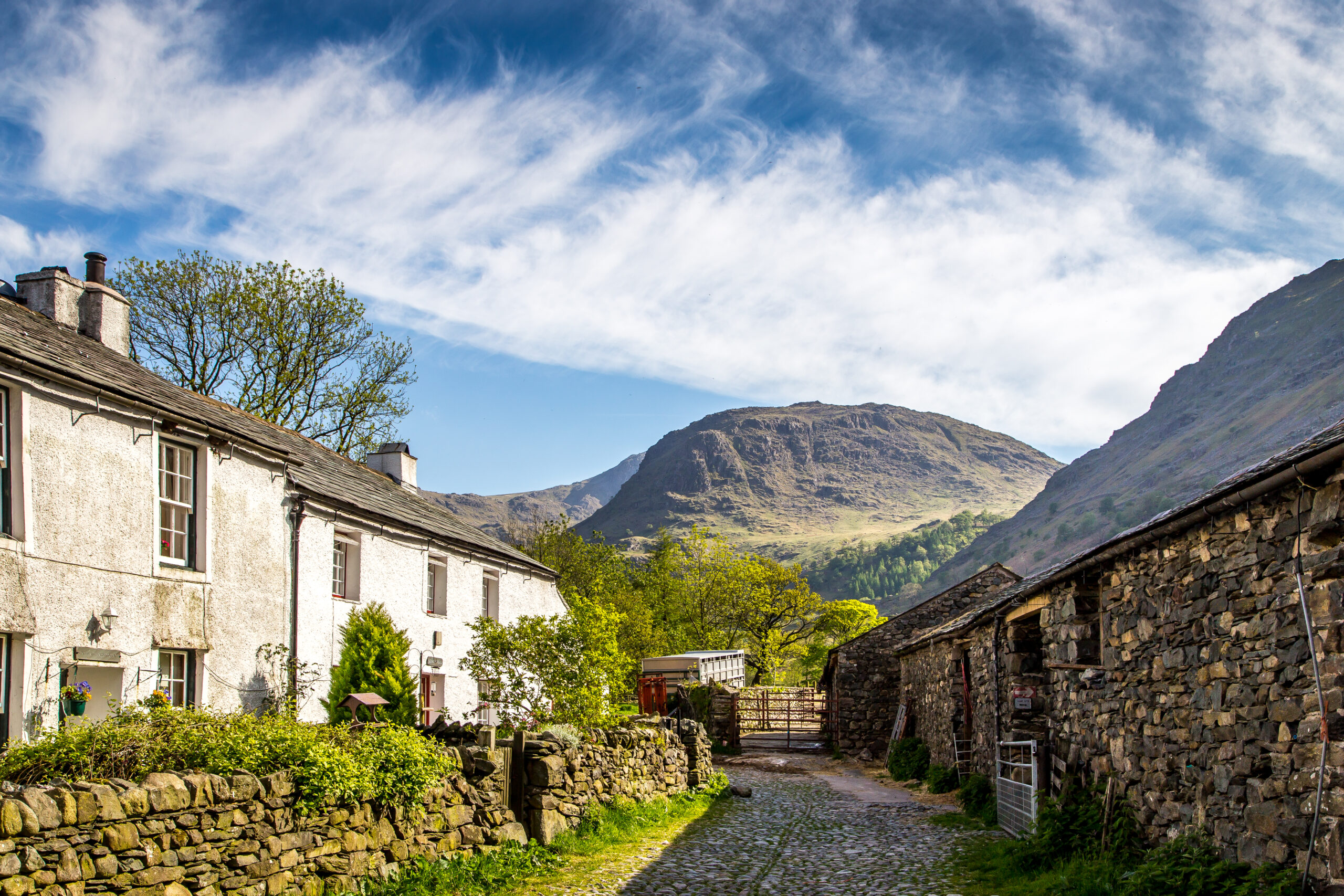
- Influence of local geology and topography e.g., building material, settlement location
- Built form and changes in architectural style over time
- Existing and historic views and vistas, especially leading in or out of a settlement
- Building materials and detailing
- Public realm areas – including street furniture, lighting, boundary walls
- Local landmarks
- Intangible elements which contribute to the areas ‘sense of place’ like a noisy marketplace or serene churchyard
Active frontage
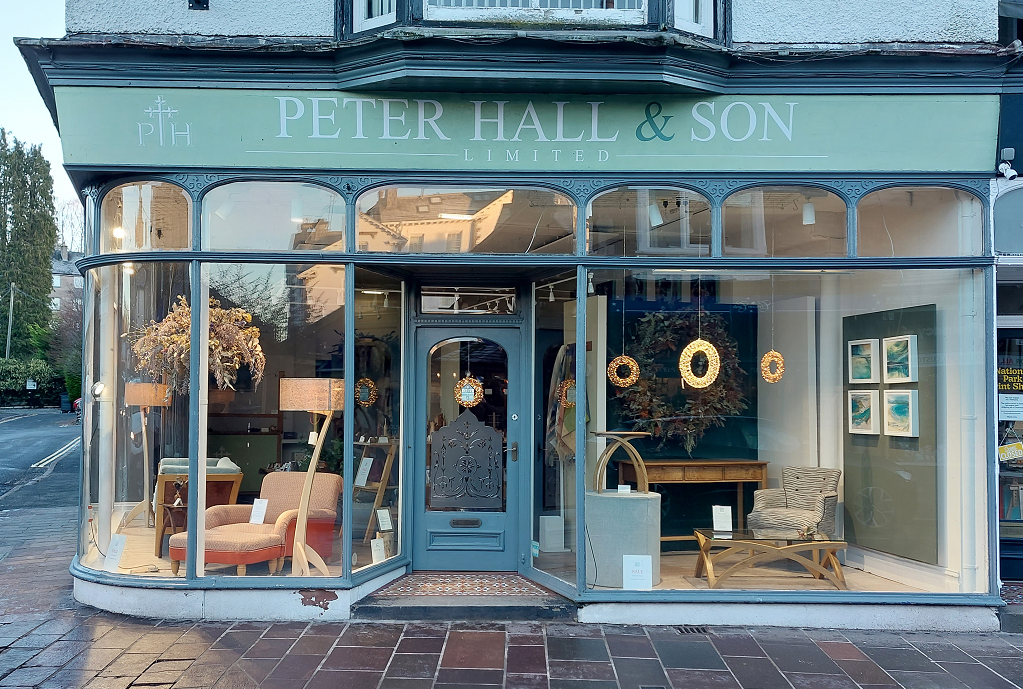
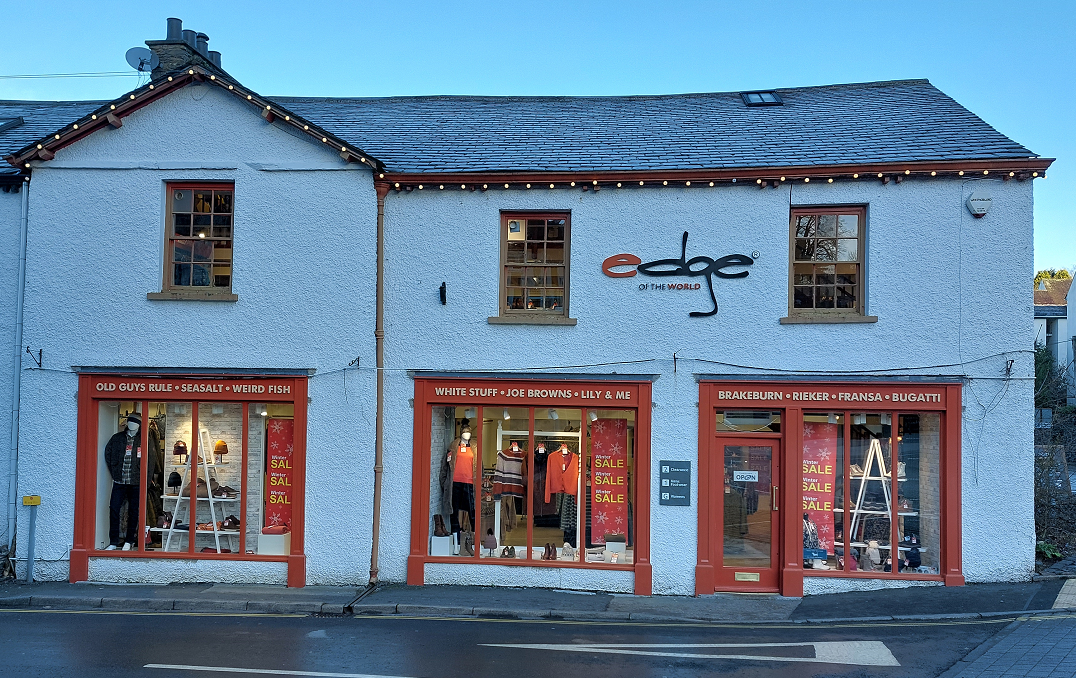
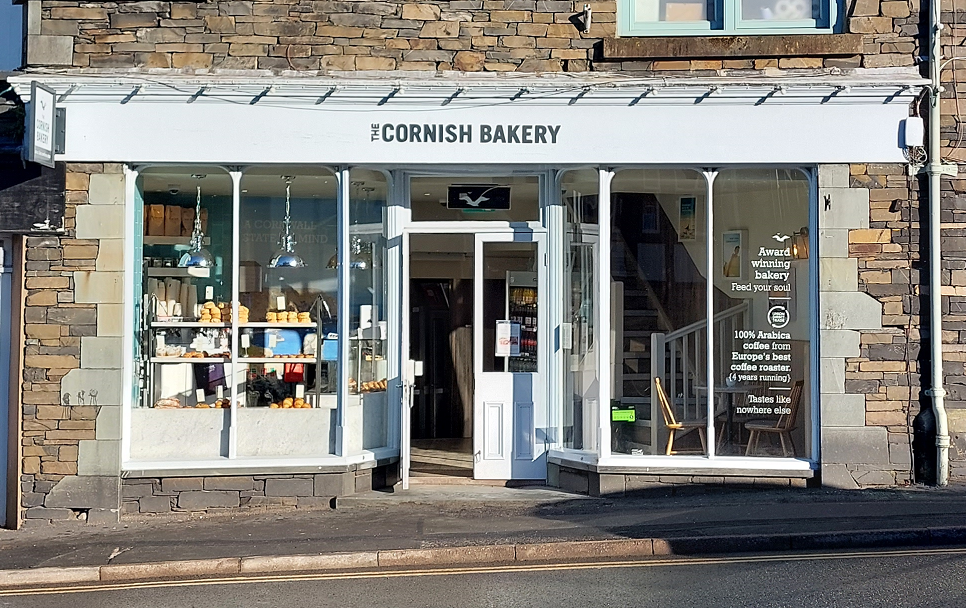
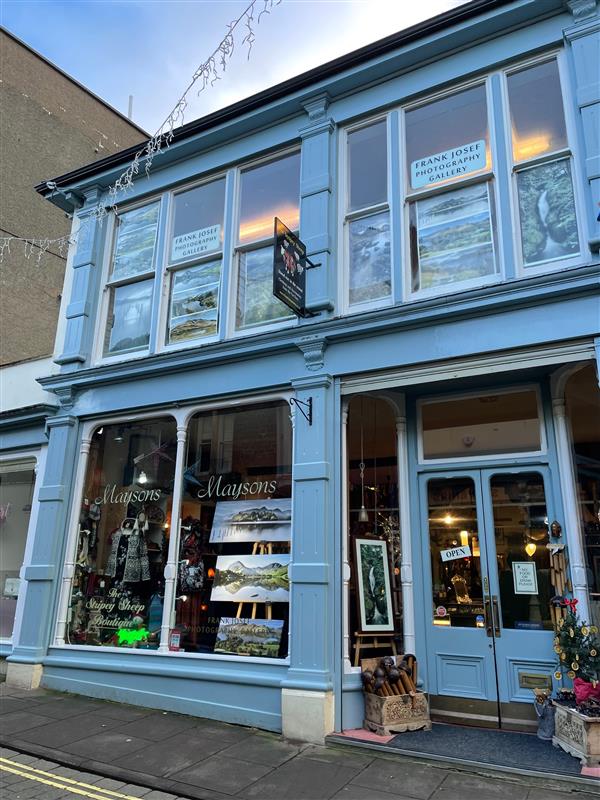
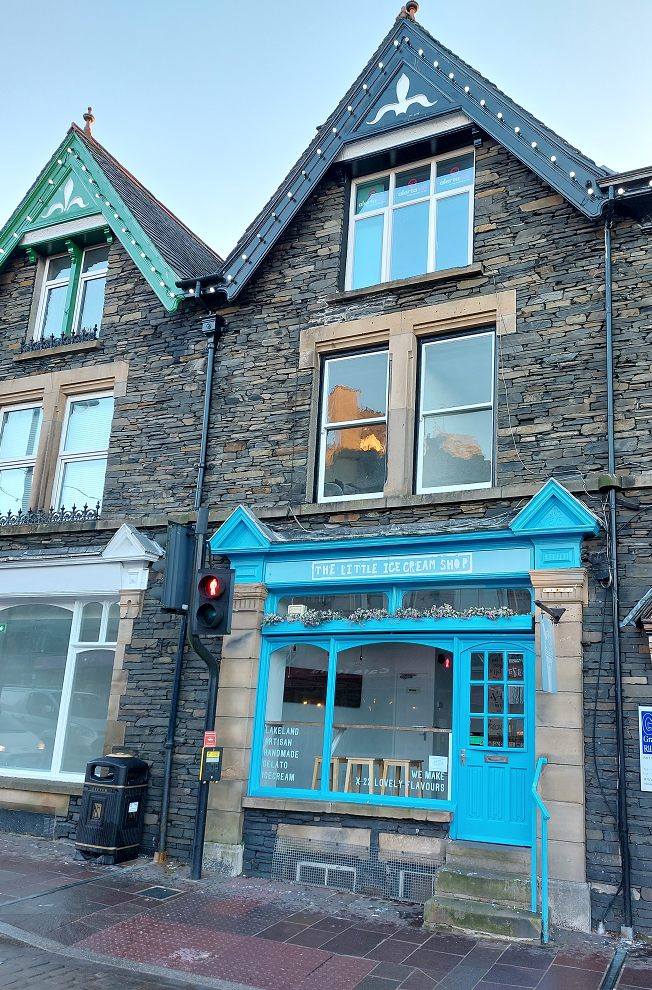
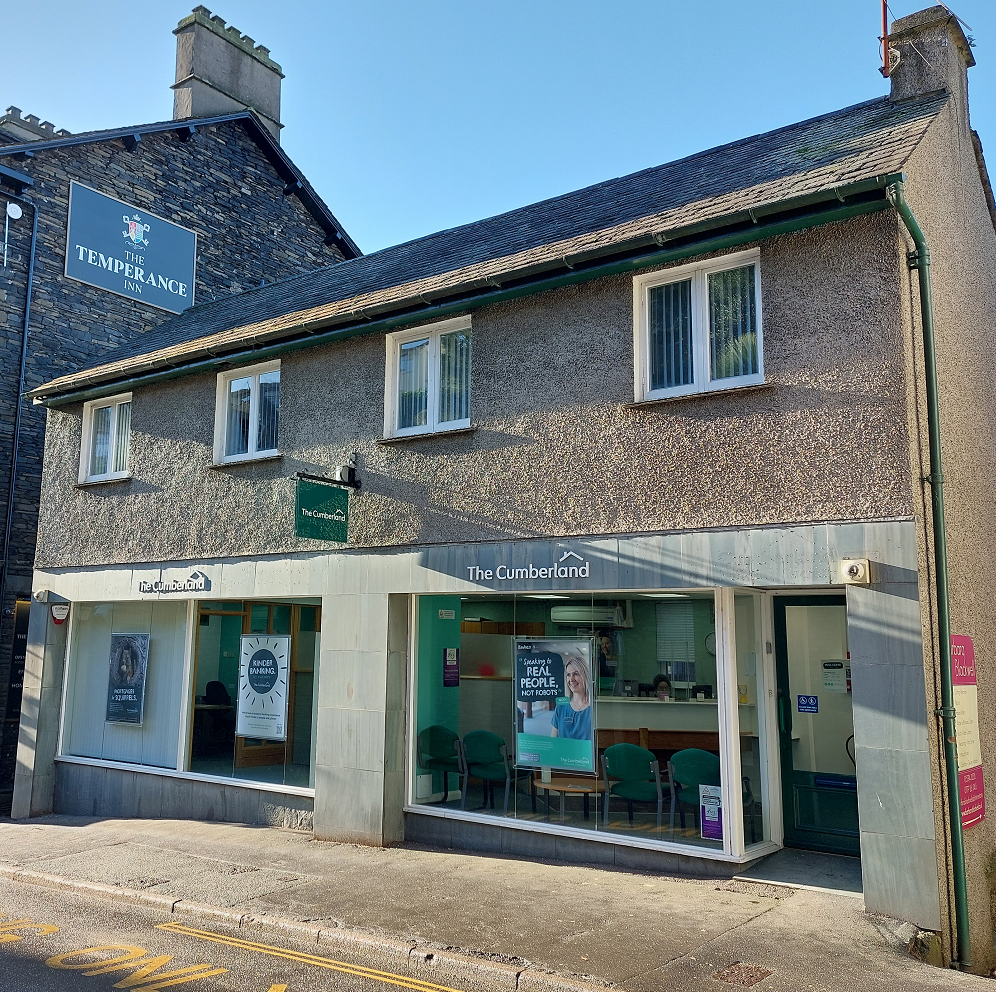
The shopfront, signage and principal entrance must all be on the same elevation.
Signage must not be on elevations other than the shopfront elevation.
Signage must not be higher up the building that the shopfront.
The shopfront must not extend higher than the underside of the windowsills of the storey above, or, if in a single storey building, it must sit below the eaves or parapet level.
The design of the shopfront must provide clear upper and lower limits to the size of signs. This can be achieved through projections such as a cornice and architrave or by having a fascia panel with defined edges.
There must be a clear upper edge of the shopfront that projects outwards and shelters the signage and openings below.
There must be features that provide definitive left- and right-hand edges to the shopfront that define its extent. These features can be pilasters and/or returning the ends of the shopfront into the wall.
Measuring the height of the shopfront from the pavement level outside to the top edge of the shopfront:
- The area above the shop window frame up to the top of the shopfront that includes the fascia sign should be no more than 20% of the total height of the shopfront.
- The shop windows must be at least 60% of the total height of the shopfront.
- The stallriser (the area between the shop windowsill and pavement) must be no more than 20% of the total height of the shopfront.
Each principal shop windowpane must be at least 30% taller than it is wide to give vertical proportions. Therefore, broad expanses of glass will be divided up by vertical mullions.
Shop doorway must be set back from the pavement and the space within the recess used for a ramp or steps to address any difference between the internal floor level and the pavement outside.
Hanging signs must line through with the fascia of the shopfront, leave at least 2.4m clearance below and project no more than 0.75m forward of the shopfront.
Where awnings or shutters are proposed the design must specify the make and model and incorporate the specific dimensions of these in the overall shopfront design. Awnings must leave at least 2.4m clearance below the lowest edge of the awning.
The shopfront frames and signs must be made from the following range of materials:
- Timber (painted or stained)
- Powder coated aluminium
- Powder coated steel
- Ashlar stone, tooled stone or polished stone cladding
- Terracotta or faience
- Pigmented structural glass or frameless glazing systems
Shopfront glazing must avoid the need for window frames and mullions to be thick and bulky.
Where smaller lights are incorporated above the principal shop window panes, the height of this upper glazing should be 10 to 20% of the height of the principal window pane below.
Looking at the shopfront from the pavement, the feature of the shopfront that should be set furthest back is:
- The door, then
- The windowpanes of the shopfront, then
- The window frames of the shopfront, then
- The face of the stallriser, then
- The shop windowsill(s), then
- The fascia sign and any boxes to house awnings or shutters, then
- The pilasters (if present), and then
- The cornice or overall ‘roof’ of the shopfront. This will shelter and throw rainwater away from every part of the shopfront below.
Shopfront security measures should be designed to retain views into the shop when closed through:
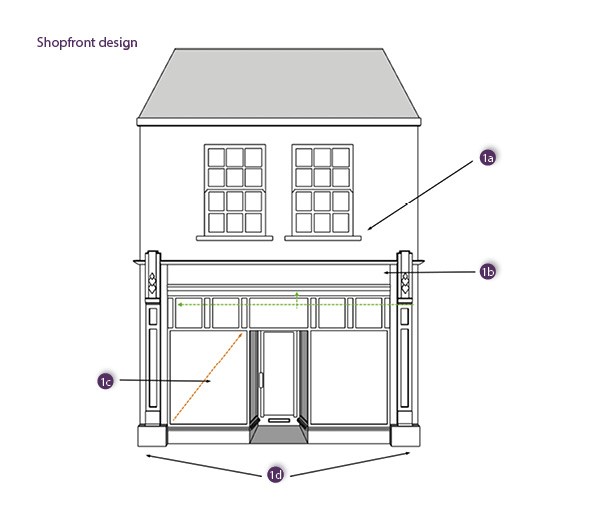
Shopfront design
1a. The shopfront must not extend higher than the underside of the windowsills of the storey above, or, if in a single storey building, it must sit below the eaves or parapet level.
1b. The design of the shopfront must provide clear upper and lower limits to the size of signs. This can be achieved through projections such as a cornice and architrave or by having a fascia panel with defined edges.
1c. Each principal shop windowpane must be at least 30% taller than it is wide to give vertical proportions. Therefore, broad expanses of glass will be divided up by vertical mullions.
1d. There must be features that provide definitive left- and right-hand edges to the shopfront that define its extent. These features can be pilasters and/or returning the ends of the shopfront into the wall.
The shopfront, signage and principle entrance must all be on the same elevation. Signage must not be higher up the building than the shopfront and signage must not be on elevations other than the shopfront elevation.
2a. Hanging signs must line through with the fascia of the shopfront, leave at least 2.4m clearance below and project no more than 0.75m forward of the shopfront.
2b. The shopfront, signage and principal entrance must all be on the same elevation.
2c. There must be a clear upper edge of the shopfront that projects outwards and shelters the signage and openings below.
2d. Where awnings or shutters are proposed, the design must specify the make and model and incorporate the specific dimensions of these in the overall shopfront design. Awnings must leave at least 2.4m clearance below the lowest edge of the awning.
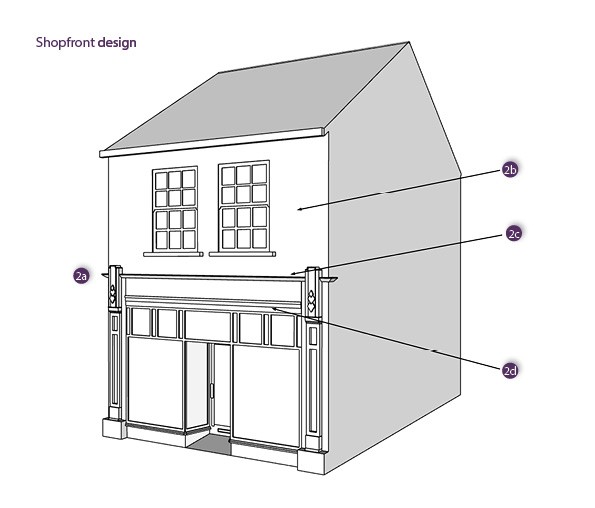
Measuring the height of the shopfront from the pavement level outside to the top edge of the shopfront:
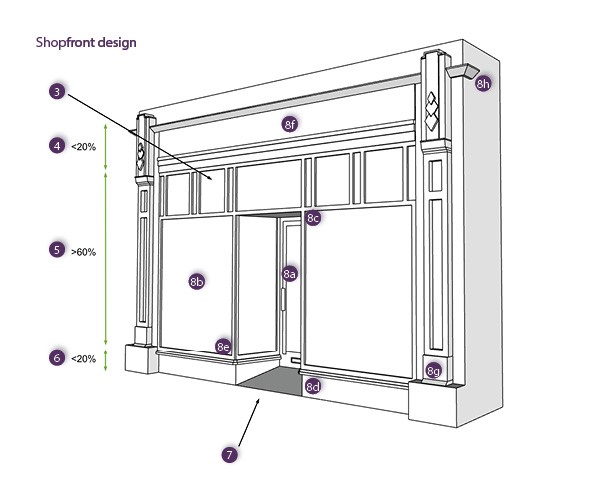
3. Where smaller lights are incorporated above the principal shop window panes, the height of this upper glazing should be 10 to 20% of the height of the principal window pane below.
4. The area above the shop window frame up to the top of the shopfront that includes the fascia sign should be no more than 20% of the total height of the shopfront.
5. The shop windows must be at least 60% of the total height of the shopfront.
6. The stallriser (the area between the shop windowsill and pavement) must be no more than 20% of the total height of the shopfront.#
7. The shop doorway must be set back from the pavement and the space within the recess used for a ramp or steps to address any difference between the internal floor level and the pavement outside.
8. Looking at the shopfront from the pavement, the features of the shopfront that should be set furthest back are:
- 8a. The door, then
- 8b. The windowpanes of the shopfront, then
- 8c. The window frames of the shopfront, then
- 8d. The face of the stallriser, then
- 8e. The shop windowsill(s), then
- 8f. The fascia sign and any boxes to house awnings or shutters, then
- 8g. The pilasters (if present), and then
- 8h. The cornice or overall ‘roof’ of the shopfront. This will shelter and throw rainwater away from every part of the shopfront below.
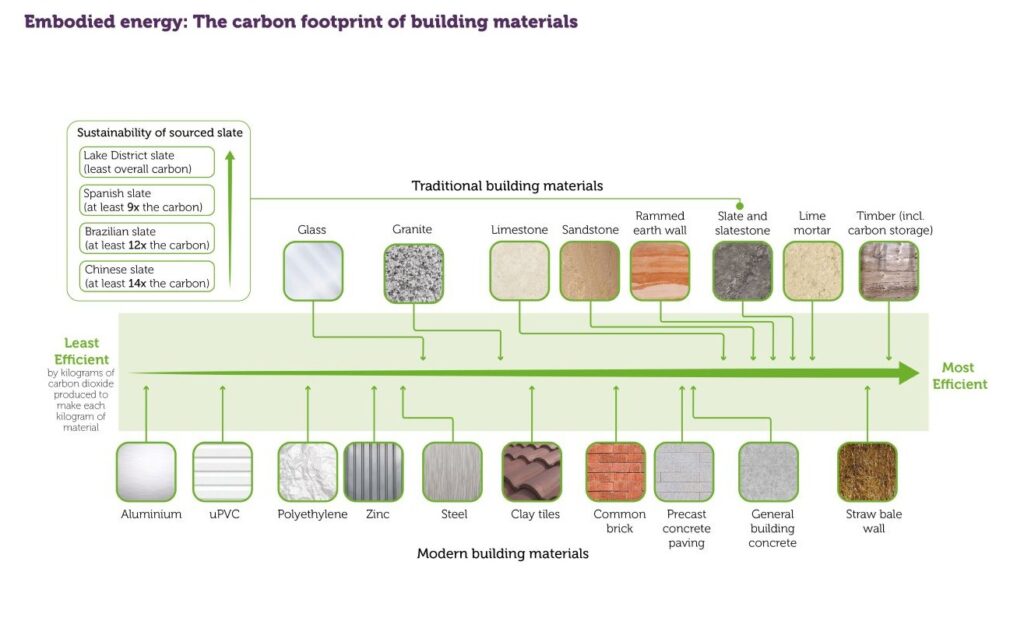
Sustainable design, embodied energy and construction
To minimise the carbon generated through construction and development, new development must:
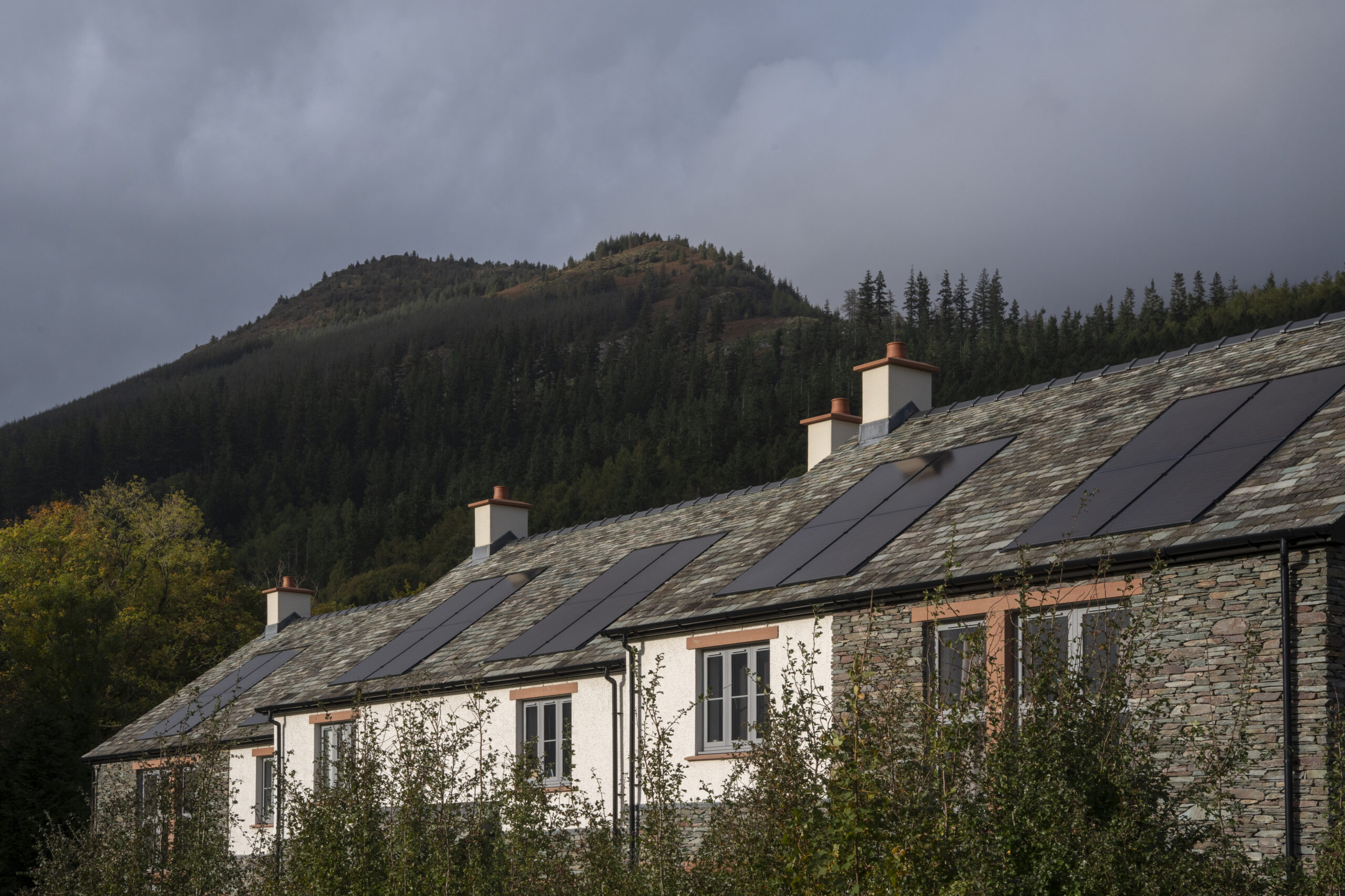
- Re-use and adapt existing buildings and building materials, especially traditional buildings and materials that contribute to local distinctiveness such as locally quarried stone and slate.
- Use locally sourced and/or low carbon building materials such as
- Sustainably sourced timber
- Locally quarried building stone
- Locally quarried slate
- Natural lime for mortars, renders and limewashes
- Minimise the use of building materials that require large amounts of energy and resources to produce and/or cannot be readily recycled:
- Concrete and cement, including in render and other finishes
- uPVC, aluminium and steel-framed glazing, windows and doors (aluminium is preferred to uPVC)
- Avoid synthetic materials such as artificial roof tiles or cladding
- Reconstituted materials.