
Skip to content
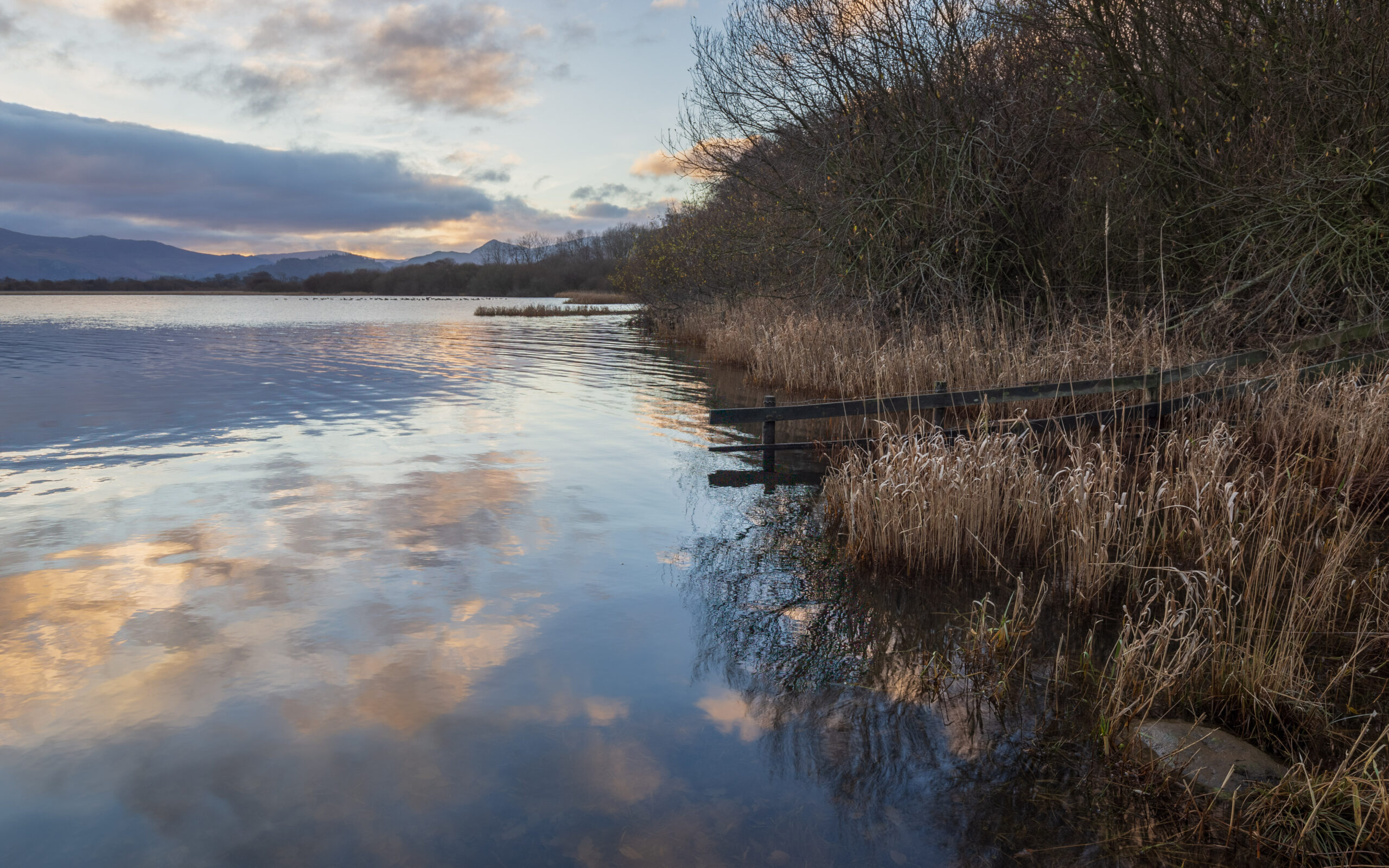
Part of Bassenthwaite Lake on the left of image, and a reedbed on the right. The sky is blue with orange/pink clouds

Bassenthwaite Project Banks Point

Banks Point is a Bassenthwaite lake National Nature Reserve restoration of the Lakeshore Habitat Project

Keeping a healthy lakeshore is vital to the overall health of the lake.

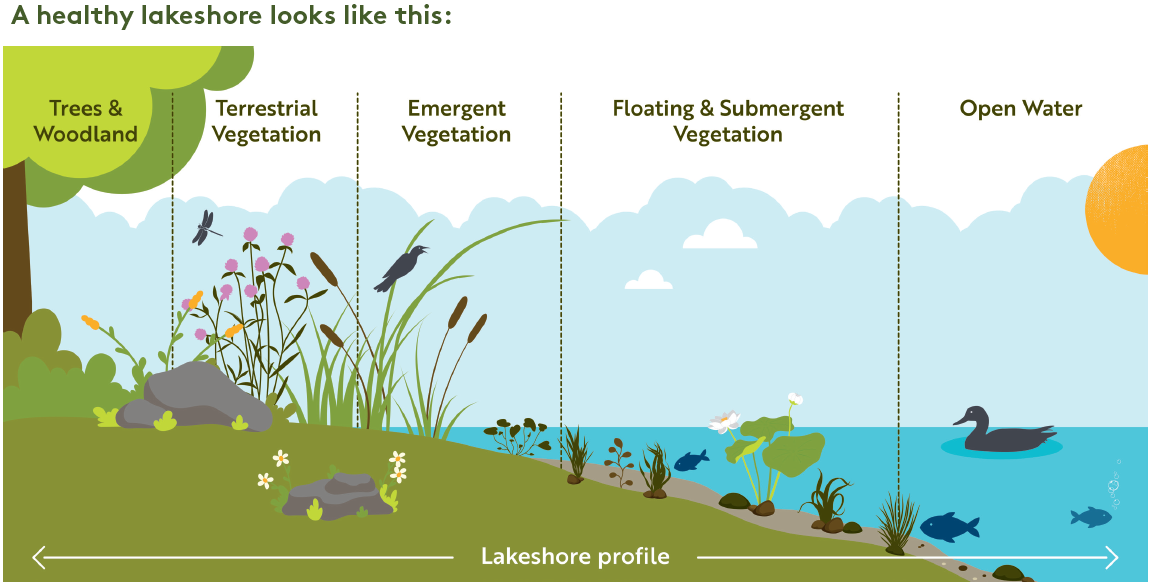
The natural vegetation growing at Banks Point provides valuable cover for fish, birds and insects. It can also help protect the water quality by absorbing phosphorus and nitrogen from land run-off and filtering loose sediments.

What do we want to achieve?

Some recreational activities can lead to the disturbance of lakeshore habitats such as trampling which can lead to the loss of vegetation cover and make the shoreline susceptible to erosion through wave action. By fencing off areas of lakeshore vegetation we can prevent further trampling of vulnerable habitats by guiding people to the pitched areas where they can access lake.

We will also be carrying out some tree coppicing to help diversify the woodland age structure and allow light through canopy to encourage the growth of plants in the understory below i.e. globeflower. This will help to increase the biodiversity by providing more feeding and nesting opportunities for birds and insects.

How you can support

Please support this project by only accessing the lake from the stone pitched areas along the lakeshore at Banks Point.

Our ambition

Working with our partners, volunteers, and communities we aim to improve water quality and ensure a resilient, natural transition of habitats from open water to lakeshore vegetation and woodland to support native wildlife. We want a place where responsible visiting is encouraged, and communities feel a strong sense of pride and ownership.

What makes Bassenthwaite special?

  • Site of Special Scientific interest and part of a special area of conservation
  • Native freshwater plant and animal species
  • Mosaics of lakeshore and woodland habitats and native species
  • Breeding and overwintering birds
  • Surrounding landscapes and network of interconnected habitats
  • People visiting and enjoying quiet recreation

Activities that place pressure on our freshwater environment

The top six issues are:

  • Physical modifications e.g. drainage ditches
  • Rural pollution e.g. sediment and nutrients from agriculture
  • Historic mining activities e.g. heavy metals
  • Point source pollution e.g. phosphates from waste water treatment works
  • Invasive non-native species
  • Disturbance from high levels of recreation.

How are we tackling the issues and managing the NNR for nature and people

  • Manage and enhance priority species and habitats
  • Control invasive non-native species
  • Monitor and maintain breeding and overwintering bird populations
  • Enhance and preserve the landscape
  • Support catchment based approach for nature recovery
  • Manage quiet recreation for people and nature.
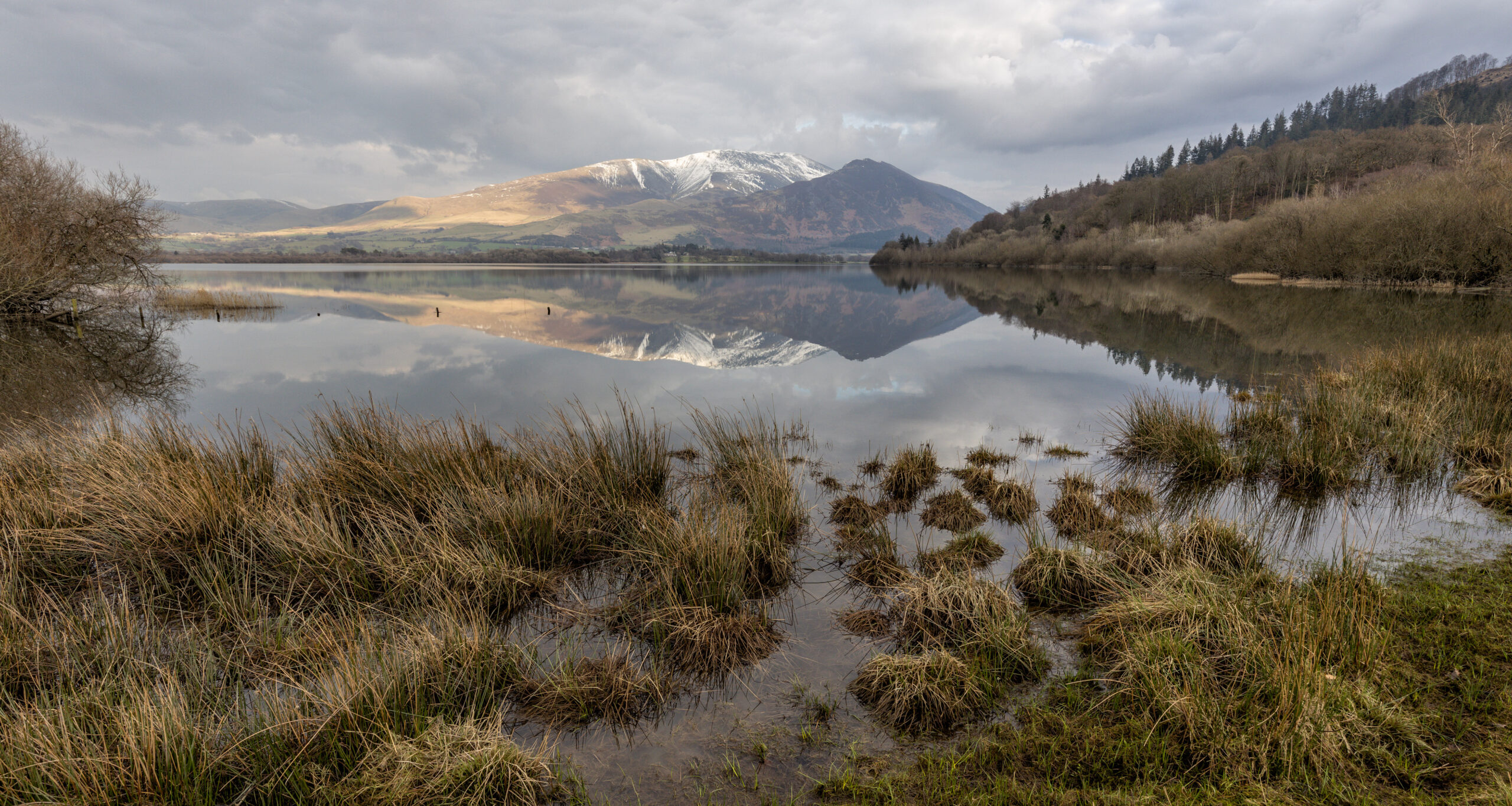
Bassenthwaite Lake from the shore looking towards snowy topped mountains

Bassenthwaite National Nature Reserve

Nestled in the valley between Wythop Woods and Dodd Wood, Bassenthwaite National Nature Reserve is one of the Lake District’s most diverse and wildlife‑rich landscapes.