
Cumbria’s first biodiversity net gain habitat bank launches
A biodiversity net gain (BNG) habitat bank has been launched in a first for Cumbria.
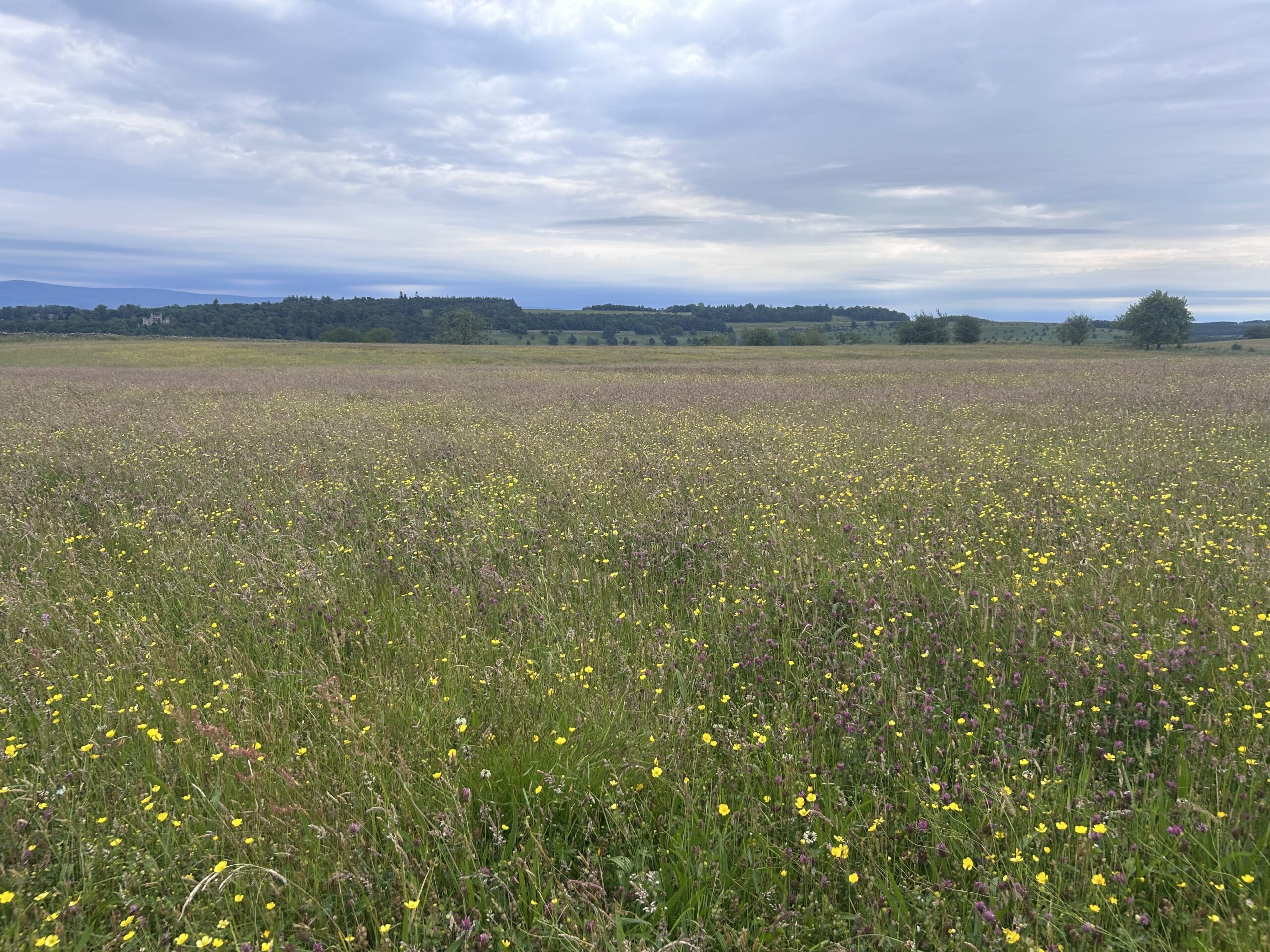
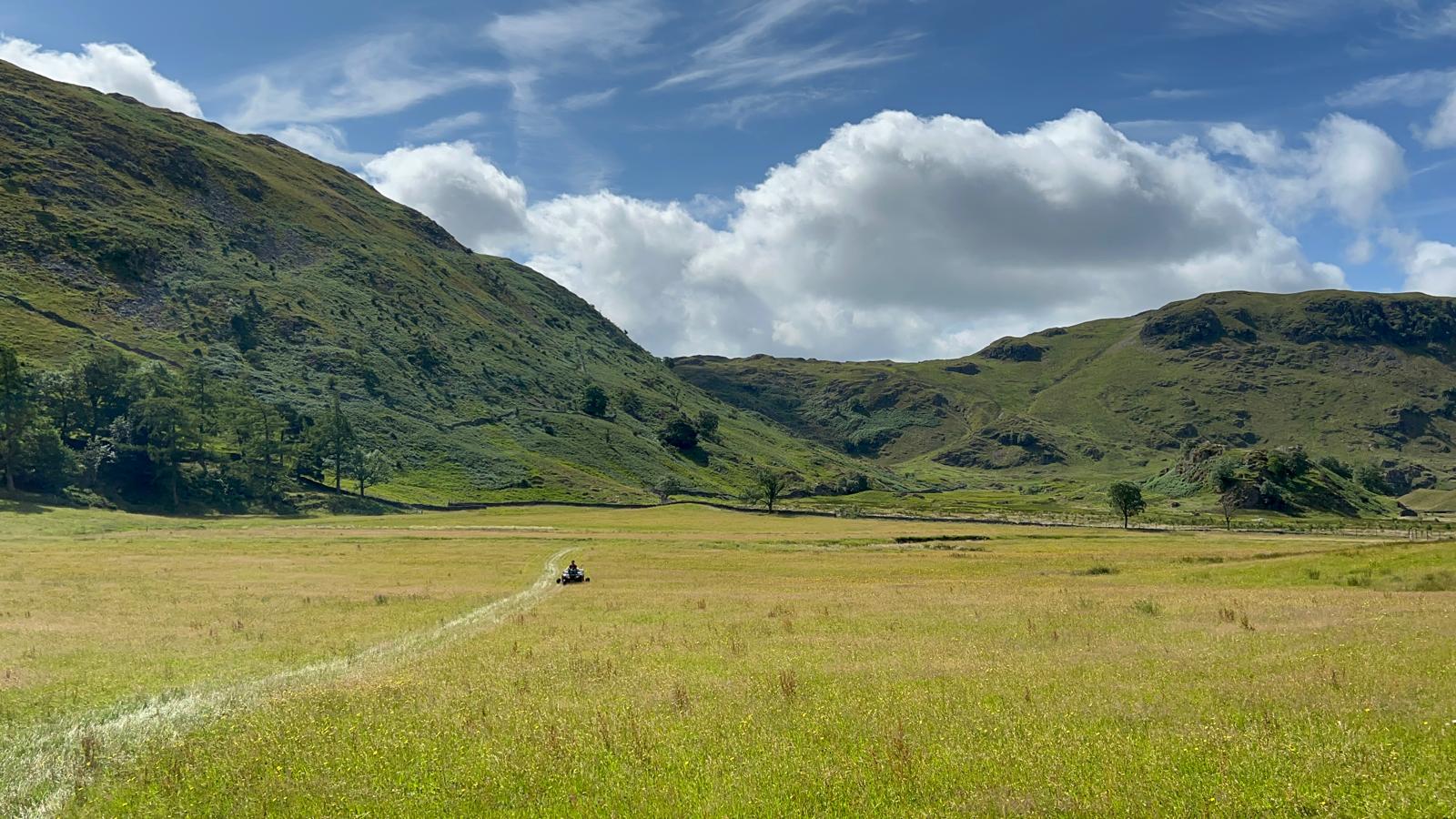
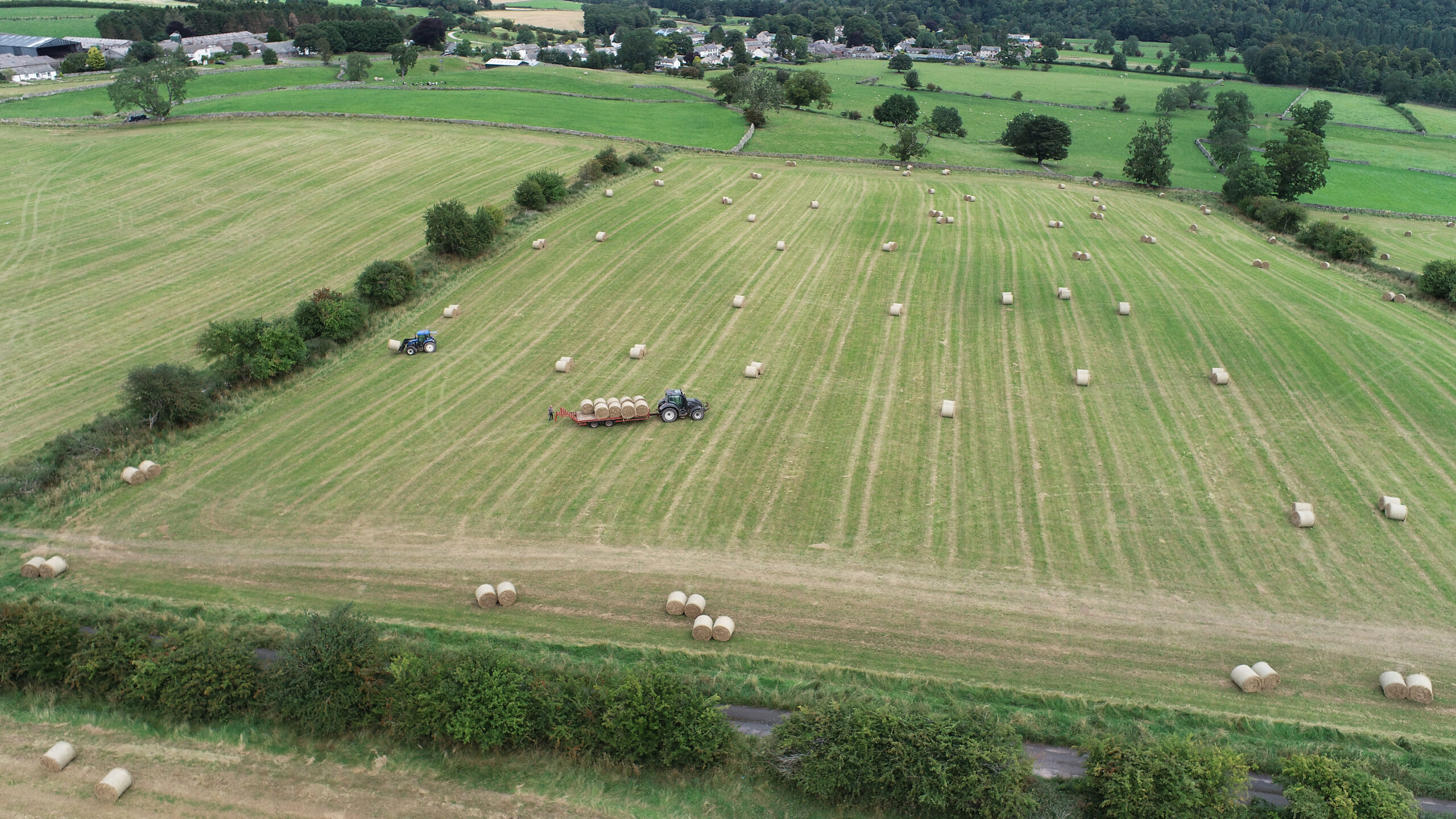
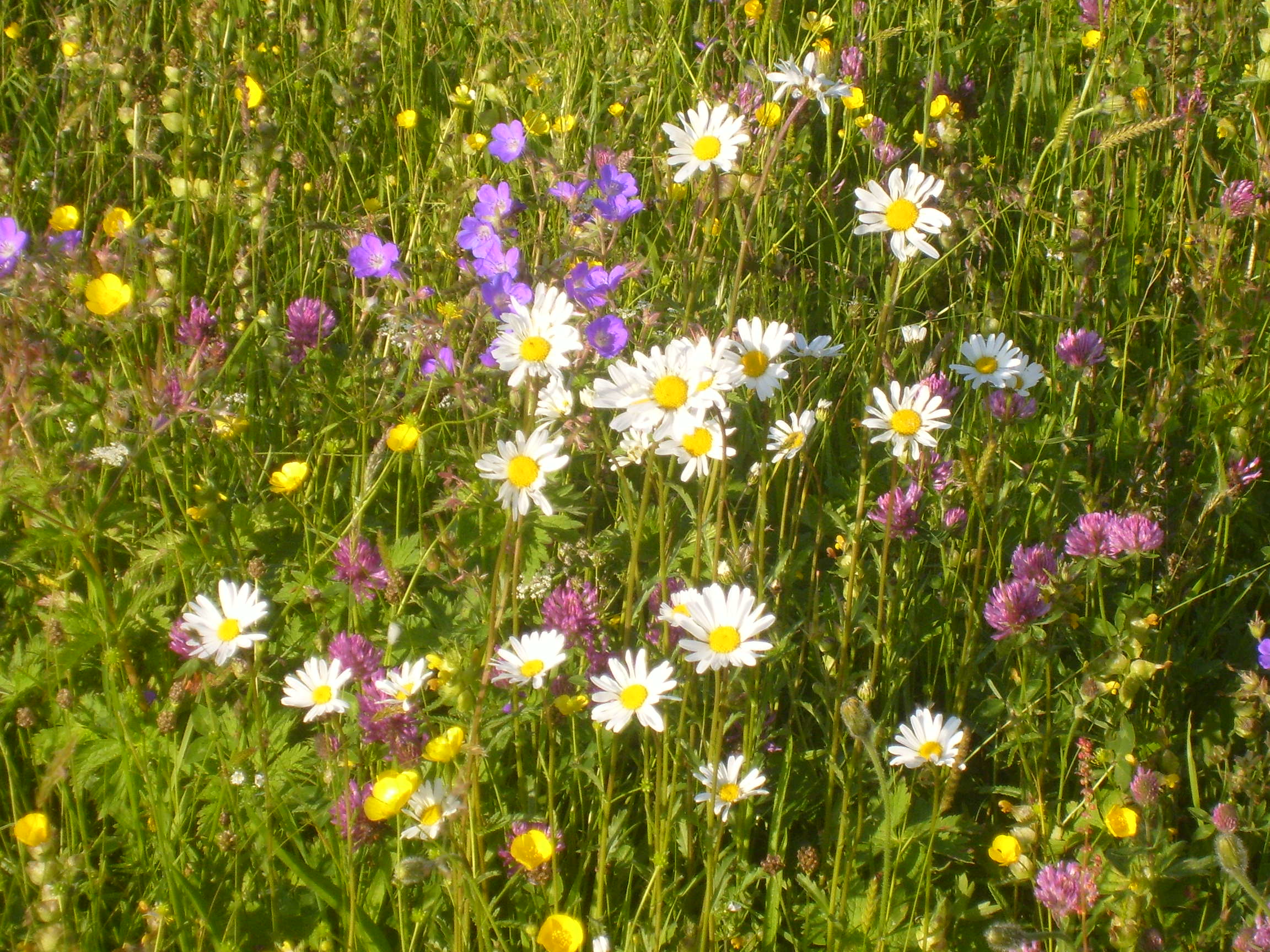
The Lake District National Park Authority (LDNPA) has supported Lowther Estate in a mutual pilot scheme, which will help restore 13 hectares of hay meadows in Cumbria.
The habitat bank, which was registered as a site on the Natural England Biodiversity Gain Sites register in October 2025, provides hay meadow ‘units’ to developers, who are required by law to deliver at least a 10 per cent net gain in biodiversity for any developments. This helps ensure habitats for wildlife are left in a measurably better state than before development.
Biodiversity net gain can be achieved either on-site of a development, off-site or by purchasing ‘biodiversity credits’. The habitat bank created at Lowther Estate offers developers the opportunity to purchase off-site biodiversity units right here in Cumbria without needing to go further afield or buy credits as a last resort.
Nick Hall, Nature Recovery Ranger at Lake District National Park Authority, said: “The registration of this site is great news for Cumbria’s habitats and wildlife. It means there are now BNG units available in the county for those developments that need them, helping nurture and restore nature on our doorstep.”
“Alongside Lowther Estate, we have worked through the process of baselining the site using the BNG metric, produced habitat management and monitoring plans, explored the legal process of securing the site using a planning obligation (s106) and mutually agreed an ongoing monitoring regime.
“This means that nature recovery on the site is secured for the next 30 years and will deliver real and measurable gain in biodiversity, in line with Cumbria’s Local Nature Recovery Strategy priorities.”
Kelvin Archer, Forestry and Conservation Manager at Lowther Estate, said: “As a result of the project, 13 hectares of upland hay meadow are now under restoration. The habitat bank will deliver an approximate 1.3% increase in the amount of upland hay meadow nationally, which is one of the UK’s rarest priority habitats, making this a project of national significance.”
The Lowther Estate habitat bank has been featured in a new report by Oxford Archaeology ‘Better Biodiversity Net Gain for the past, present and future: How the historic environment can improve Biodiversity Net Gain and nature recovery outcomes’.
You can read the report on the Historic England website: https://historicengland.org.uk/research/results/reports/8-2026.